News
France argues global unity depends on G7 and BRICS cooperation
France urges the G7 to build bridges with BRICS
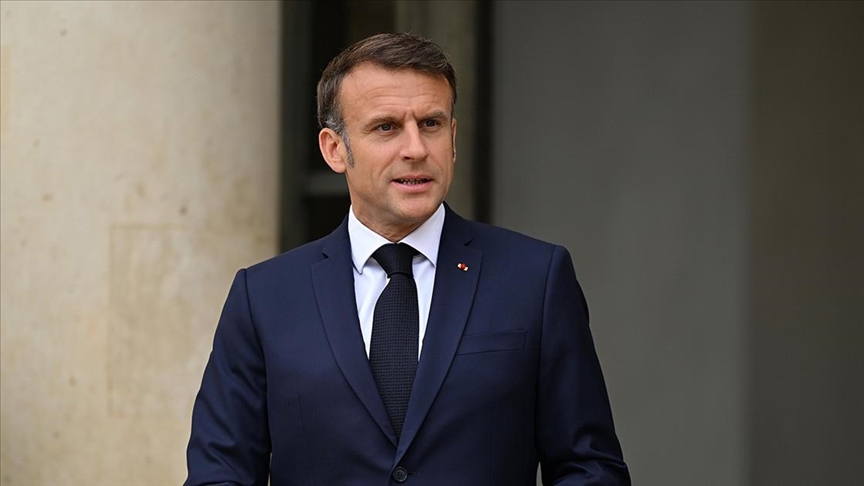
Standing on the global stage in Davos this week, President Emmanuel Macron delivered a message that cut through the usual economic jargon. The world, he said, is splintering in ways that make cooperation harder and progress slower. France now wants the Group of Seven to do something about it.
Speaking at the World Economic Forum, Macron confirmed that France, which took over the rotating G7 presidency in January, plans to push for stronger engagement with emerging powers, particularly the BRICS group. His argument was simple but pointed. A fragmented world serves no one, least of all economies still trying to find a stable footing after years of disruption.
A new tone for France’s G7 presidency
Macron outlined an agenda focused on restoring effective cooperation within the G7 while opening clearer channels to the wider world. For Paris, that means building practical links with BRICS and also the Group of Twenty. In his view, major powers must prove they can still agree on shared economic realities and commit to real action rather than retreat into rival camps.
This approach reflects France’s long-standing preference for multilateral diplomacy. It also signals a shift away from viewing global influence as a closed club. Macron was careful to stress that the G7 should not define itself in opposition to other blocs, particularly China or BRICS.
Why BRICS matters more than ever
BRICS began in two thousand and six and has since grown into a heavyweight alliance. Today, it includes Brazil, China, Egypt, Ethiopia, India, Indonesia, Iran, Russia, South Africa, and the United Arab Emirates. Together, these countries represent more than a quarter of the global economy and close to half of the world’s population.
For many observers, that scale explains why Macron’s comments have drawn attention online. On social media and in policy circles, the idea of bridging traditional Western powers with emerging economies has been widely discussed, with supporters arguing it reflects economic reality. Critics, however, question whether shared goals are realistic given sharp political and trade differences.
Cooperation with clear boundaries
Macron’s call for engagement does not mean turning a blind eye to tension. On the same day, he criticised China for failing to open its markets to the same extent as the European Union. He also raised concerns about Europe being flooded with goods rather than receiving investment and technology, pointing to growing trade pressure from Asia.
In response, he urged the EU to strengthen its trade defence tools, especially as global trade tensions intensify. The message was nuanced. Cooperation is essential, but it must be balanced with protecting European industries and economic interests.
Why this matters beyond Europe
Macron’s stance comes ahead of a planned visit to India, which holds the BRICS presidency this year. It also lands at a time when countries like South Africa are increasingly vocal about reforming global economic governance to better reflect today’s power balance.
For South Africans watching from Johannesburg, the conversation feels familiar. The country sits inside BRICS while maintaining strong ties with Europe. A push to connect these worlds more constructively could reshape how trade, investment, and diplomacy unfold in the years ahead.
Whether Macron’s bridge-building vision gains traction remains to be seen. What is clear is that France wants its G7 presidency to be remembered not for drawing lines, but for questioning whether those lines still make sense in a rapidly changing world.
Follow Joburg ETC on Facebook, Twitter, TikT
For more News in Johannesburg, visit joburgetc.com
Source: IOL
Featured Image: Anadolu Ajansı