Culture Craze
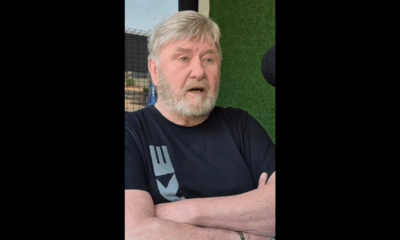
Schalk Bezuidenhout admits AI fooled him online and social media fell for it too

If you have spent even five minutes on South African social media lately, you have probably felt it. That brief moment where you stop scrolling and think, wait, is this real?
Schalk Bezuidenhout feels it too. Deeply.
The much-loved comedian and actor has admitted that artificial intelligence has officially beaten him at his own game. Not because he believes everything he sees online, but because the line between real and fake has become so thin it might as well not exist at all.
Speaking candidly about his experience, Bezuidenhout says AI has turned him into the very person he once laughed at. The family group chat, uncle. The one who forwards things with enthusiasm, only to be told moments later that none of it is real.
When AI turns adults into confused uncles
Bezuidenhout jokes that he is starting to relate a little too much to his parents when it comes to technology. He admits that he now regularly sees content online that he cannot immediately identify as artificial.
And he shares it.
With confidence.
That confidence does not last long. Friends quickly shut it down with the kind of blunt honesty only South Africans can deliver. Schalk, that is AI. You look like an idiot.
It is funny, but it also hits close to home for many locals who have watched family WhatsApp groups turn into breeding grounds for fake videos and misinformation.
The Helen Zille moment that broke the illusion
Things escalated when Bezuidenhout came across a video of Helen Zille apparently doing the toyi-toyi. Like many South Africans, he reacted instantly and forwarded it along with commentary about how embarrassing it was.
Only later did he realise the obvious truth. It was fake.
The moment landed hard because it exposed something bigger than one misleading clip. It highlighted how easily public figures can be manipulated by AI and how quickly those videos are believed, shared, and accepted as real.
View this post on Instagram
Laughing through the discomfort
Behind the jokes, there is genuine concern. Bezuidenhout openly wonders how he reached a point where he can no longer trust his own eyes. He acknowledges the unsettling feeling of ageing in a digital world that moves faster than human judgement.
His solution is simple and very on-brand. A clear warning before any AI video plays. A short message telling viewers exactly what they are about to see and reminding them not to forward it as fact.
Because nobody wants to be that p**phol in the group chat.
View this post on Instagram
Why this resonates in South Africa right now
South Africans are uniquely vulnerable to viral misinformation because of how heavily WhatsApp and social media shape daily communication. From political clips to celebrity scandals, AI-generated content is slipping into conversations without context or verification.
Bezuidenhout’s honesty has struck a chord online because it reflects a shared experience. People are laughing at his confession, but they are also recognising themselves in it.
AI has not just entered the chat. It has taken over the group, blurred reality, polished it up, and sent it straight to your phone with confidence.
At this rate, reality does not just need subtitles. It needs a disclaimer.
Follow Joburg ETC on Facebook, Twitter, TikT
For more News in Johannesburg, visit joburgetc.com
Source: IOL
Featured Image: Fest