News
Trump revives ‘white genocide’ claims against South Africa on global stage
Trump revives ‘white genocide’ claims against South Africa on global stage
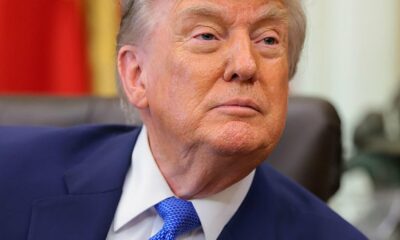
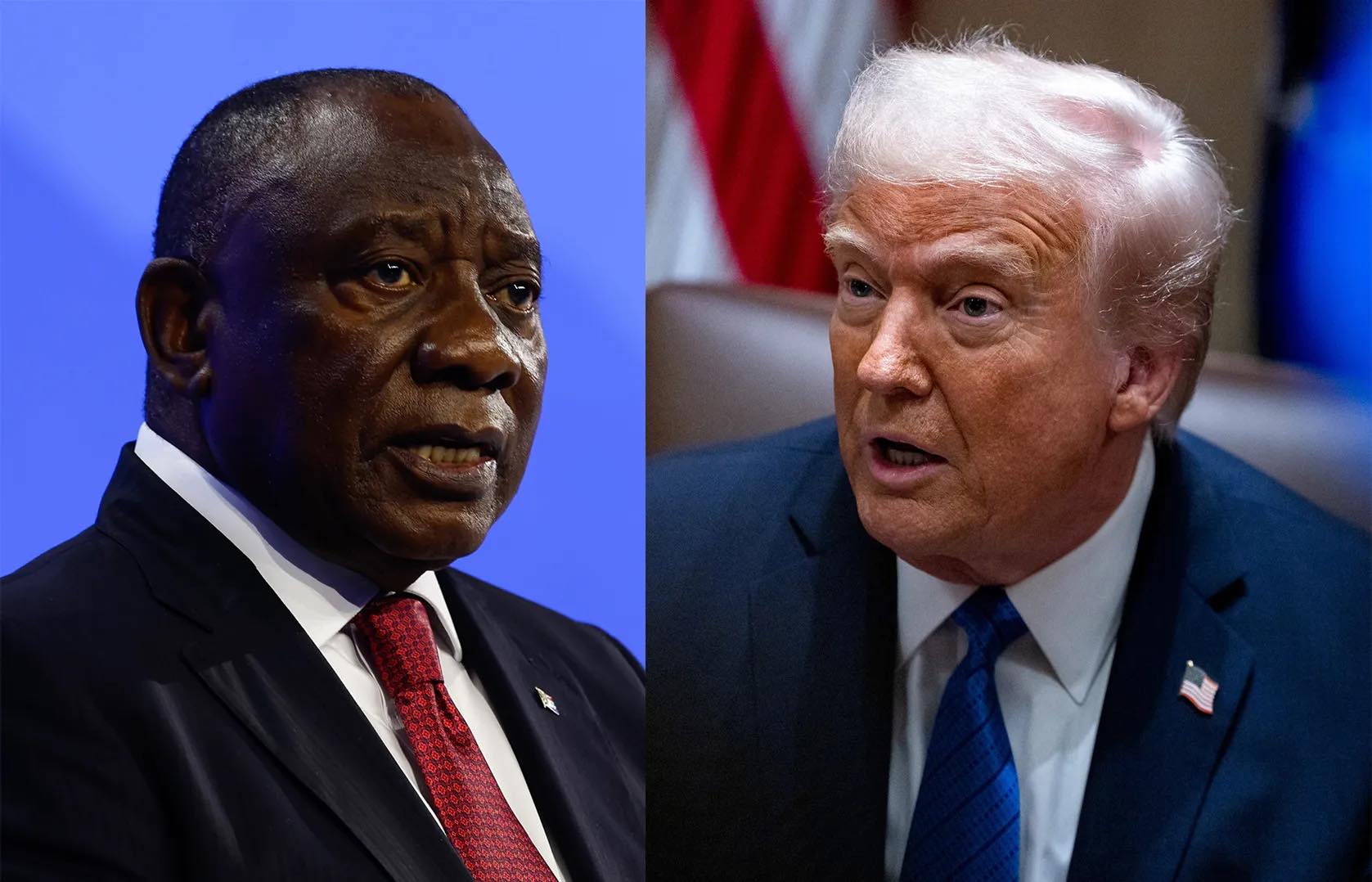
South Africa has once again found itself at the centre of a global political storm after US President Donald Trump doubled down on disputed claims of a “white genocide”, using the World Economic Forum (WEF) in Davos as his international platform.
Speaking to reporters on Wednesday after delivering his special address, Trump insisted that white Afrikaners in South Africa were facing systematic persecution remarks that have repeatedly been rejected by the South African government and independent analysts.
“What’s happening in South Africa is terrible,” Trump said. “It’s a terrible situation. What they’re doing to people, a certain group of people, is unbelievable. You wouldn’t think it could happen today.”
He went on to claim that his views were backed by evidence. “We have seen the numbers, we’ve seen the records, and it is taking place and it’s got to be stopped.”
A diplomatic relationship under strain
Trump’s comments land at a time when relations between Washington and Pretoria are already at their lowest point in years.
The US administration has repeatedly criticised South Africa over land reform and what it describes as race-based legislation. Trump has long argued that the country’s post-apartheid policies unfairly target white citizens, particularly Afrikaner farmers.
Those claims were reinforced in a recent US Human Rights Report, which alleged that white farmers were being singled out in racially motivated attacks a report the South African government dismissed as “distorted and inaccurate”.
Earlier this year, Trump signed an executive order creating a programme specifically for Afrikaners, describing them as victims of “unjust racial discrimination”.
Escalation beyond rhetoric
The tension has not remained confined to words.
Late last year, the US House Committee on Foreign Affairs passed a bill calling for a review of the bilateral relationship and the possible sanctioning of South African leaders.
Trump also snubbed the G20 Summit hosted by South Africa in Johannesburg in November, before declining to invite the country to the next summit in Miami moves widely interpreted as diplomatic rebukes.
By Wednesday afternoon, South Africa’s Department of International Relations and the Presidency had not responded publicly to Trump’s latest remarks.
Davos speech focused on power and policy
While South Africa featured prominently in Trump’s post-speech comments, his WEF address itself focused heavily on the United States, marking one year since his return to the White House.
Trump declared what he called the “fastest and most dramatic economic turnaround” in American history, portraying the US as the “economic engine of the planet”.
He defended tariffs, tax cuts and deregulation, boasting of record oil and gas production, rising manufacturing output, and sharp reductions in federal regulations and staffing.
Renewable energy policies came under sustained attack, with Trump repeatedly referring to the “Green New Scam” and blaming Europe’s energy strategy for rising electricity costs and weak growth.
Protest outside the hall
Not everyone in Davos was listening quietly.
As Trump spoke, around 200 Kurdish activists and citizens protested outside the WEF venue, accusing him of supporting genocide and calling for the freedom of Kurdistan a reminder that his presence remains deeply polarising well beyond South Africa.
Why it matters locally
For South Africans, Trump’s repeated claims strike a raw nerve in a country still grappling with historic inequality, land reform debates, and violent crime affecting all communities.
Online reaction has been swift, with local social media users expressing frustration at what they see as a misrepresentation of South Africa’s realities, while others warn that the narrative risks inflaming racial tensions at home and abroad.
As global leaders gather in Davos to talk cooperation and stability, South Africa once again finds itself forced to respond to a powerful voice telling a very different story one that Pretoria insists does not reflect the country it governs.
{Source: IOL}
Follow Joburg ETC on Facebook, Twitter , TikTok and Instagram
For more News in Johannesburg, visit joburgetc.com