Courts & Legal
Dinkie Dube steps into a defining role in South Africa’s public accountability system
A new chapter at a crucial institution
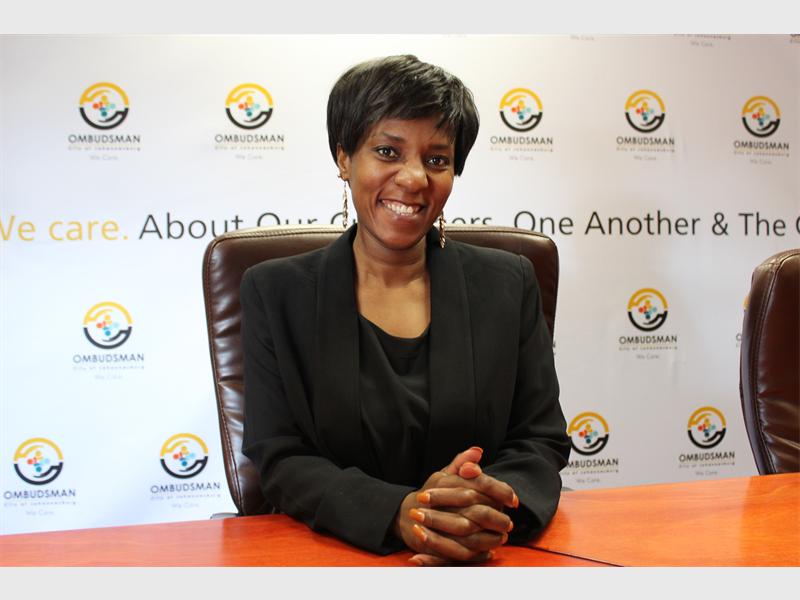
South Africa’s constitutional watchdog is entering a new phase, with Advocate Dinkie Portia Dube set to take up office as Deputy Public Protector from 1 February 2026. The appointment, confirmed by the Presidency this week, places a seasoned public servant at the heart of one of the country’s most scrutinised institutions.
President Cyril Ramaphosa made the appointment following a recommendation by the National Assembly, in line with the Public Protector Act. Dube will serve a single, nonrenewable term of seven years. In a political climate where accountability is constantly under the spotlight, the timing and choice have not gone unnoticed.
Why this role matters right now
The office of the Public Protector is a Chapter 9 institution created to strengthen democracy. Its work ranges from probing maladministration and abuse of power to issuing remedial actions that can carry legal weight. In recent years, the institution has been at the centre of public debate, court challenges, and intense media scrutiny.
Against this backdrop, Dube’s appointment has been widely read as a signal of stability and institutional memory. Social media reaction has been largely pragmatic rather than flashy. Many commentators have highlighted her deep experience inside the public service, noting that this is not a political outsider stepping in, but someone who knows how the machinery of state actually works.
A career built on oversight and complaints
Dube brings more than two decades of public sector experience to the role. She currently serves as Director General of the Public Service Commission, where she oversees governance, ethics, and performance across government departments. It is a position that demands both legal precision and an understanding of how policy decisions land on ordinary South Africans.
Her résumé also includes time as Chief Director of Operations in the Office of the Military Ombud, as well as earlier work in the Department of Trade and Industry’s Office of Consumer Protection, where she dealt directly with complaint resolution. She has also served as a legal officer at the South African Human Rights Commission.
Crucially, this is not her first encounter with the Public Protector’s office. Between 2011 and 2014, she was the provincial director for Gauteng. That inside knowledge is being seen as one of her strongest assets as she steps into a leadership role at the national level.
Experience that speaks to the moment
For many South Africans, trust in public institutions is fragile. The appointment of someone with a long track record in investigations and ethics management suggests a deliberate effort to reinforce credibility rather than chase headlines. Ramaphosa, in announcing the decision, emphasised the central role the Public Protector plays in administrative oversight and accountability across government.
While the Deputy Public Protector does not always command the same public attention as the head of the institution, the role is far from symbolic. It involves steering complex investigations, supporting institutional independence, and ensuring continuity in an office that often operates under pressure.
As Dinkie Dube prepares to take up her post, expectations are measured but clear. In a country hungry for effective oversight rather than grand promises, her appointment represents a bet on experience, process, and constitutional duty.
Follow Joburg ETC on Facebook, Twitter, TikT
For more News in Johannesburg, visit joburgetc.com
Source: IOL
Featured Image: South African Government News Agency