News
Putin stirs fresh debate over Greenland with blunt colonial claim
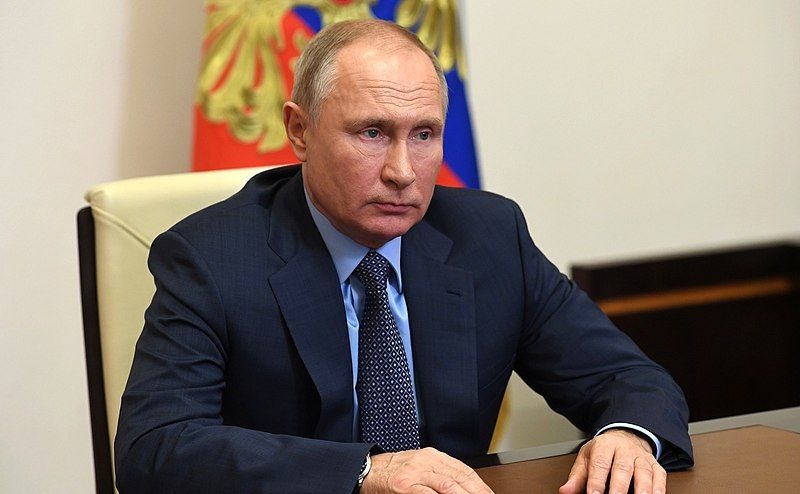
The world’s attention briefly shifted north this week, far north, after Vladimir Putin offered a sharp take on the long-simmering question of Greenland’s future. Speaking during a meeting of Russia’s National Security Council in the Kremlin, Putin claimed that Denmark has always treated Greenland like a colony, and not a gentle one at that.
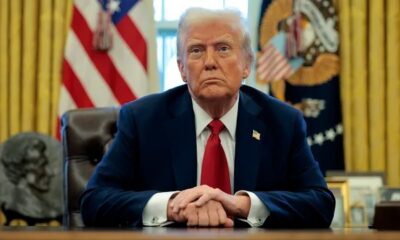
His remarks came just days after Donald Trump revived one of his most eyebrow-raising ideas. Once again, the US president floated the possibility of purchasing Greenland, the vast Arctic island that governs its own affairs but remains part of the Danish realm.
A familiar Trump proposal returns
Trump repeated his stance while attending the World Economic Forum in Davos, stressing that while he still believes the island could be bought, force would not be used. The comment instantly reopened an international conversation that many thought had been settled years ago.
Greenland may look remote on a map, but its strategic value is anything but small. Sitting between North America and Europe, rich in minerals, and positioned along key Arctic routes, it has long drawn quiet interest from global powers.
Putin distances Russia from the dispute
Putin was quick to say that Russia has no intention of inserting itself into the argument. According to him, the issue of ownership does not concern Moscow and should be resolved between the parties directly involved. Still, his historical framing added fuel to an already sensitive discussion.
He pointed out that the United States has purchased territory before, including Alaska from Russia in the nineteenth century and what are now the US Virgin Islands from Denmark in the early twentieth century. In his view, Greenland would be affordable for Washington, even speculating that a deal could come in at around one billion dollars.
Russia’s foreign policy line was echoed by Sergey Lavrov, who told journalists that Moscow has no plans to interfere in Greenland’s internal affairs.
Denmark pushes back as protests grow
Copenhagen’s response was firm. Denmark’s foreign minister, Lars Lokke Rasmussen, reiterated in Davos that Denmark would not allow the United States to annex Greenland under any circumstances.
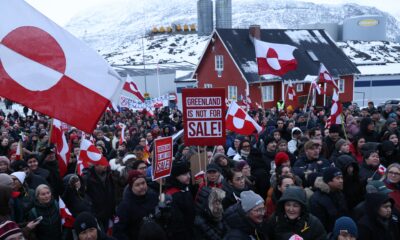
On the island itself, the debate is no longer just diplomatic. Residents recently took to the streets in anti-Trump demonstrations, signalling clear discomfort with the idea of becoming a bargaining chip between superpowers. For many Greenlanders, the conversation touches deep historical nerves.
Denmark colonised Greenland in the eighteenth century and only granted home rule in 1979. While Greenland now manages its own domestic matters, Denmark still oversees defence and foreign policy, a balance that continues to spark debate about autonomy and identity.
Why Greenland keeps resurfacing
The renewed attention also highlights how history lingers in modern geopolitics. During World War Two, the United States stationed troops in Greenland and has since maintained an airbase on its northwestern coast. What once seemed like a temporary military necessity has become a permanent strategic presence.
Putin’s comments may not change the immediate reality on the ground, but they underline a broader truth. Greenland’s past as a colony, its present as a self-governing territory, and its future in an increasingly competitive Arctic ensure that it will keep drawing powerful voices into the conversation.
For Greenlanders, the message from recent protests is clear. Decisions about the island’s fate should not be made in distant capitals, whether in Washington, Moscow, or Copenhagen.
Follow Joburg ETC on Facebook, Twitter, TikT
For more News in Johannesburg, visit joburgetc.com
Source: IOL
Featured Image: Greater Kashmir