Courts & Legal
Julius Mkhwanazi faces Parliament as EMPD blue lights controversy returns
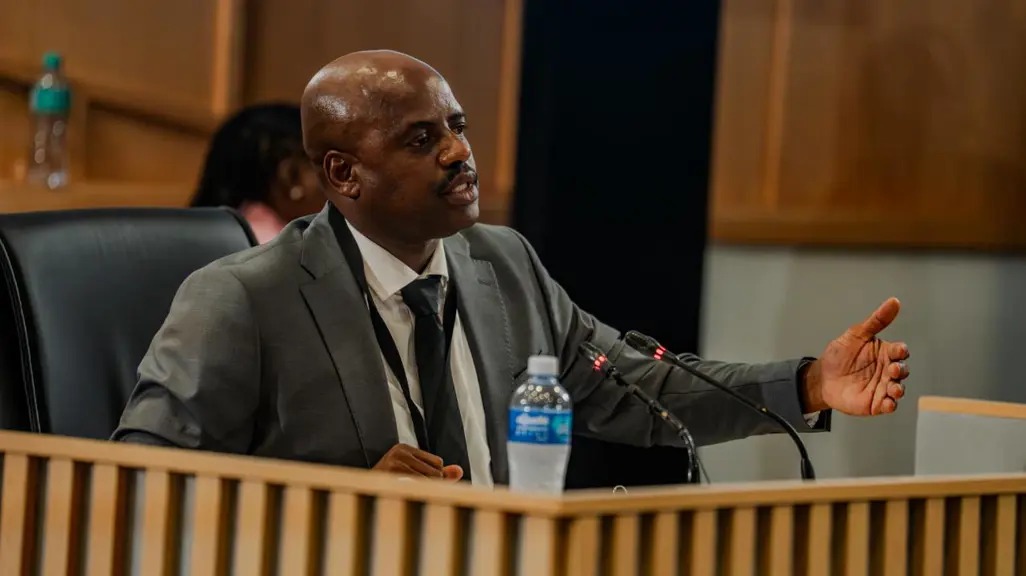
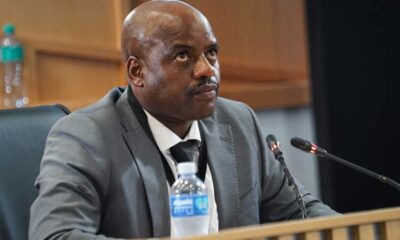
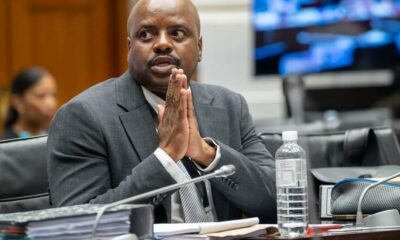
When Parliament called suspended EMPD acting chief Julius Mkhwanazi to testify this week, it felt less like a new chapter and more like an old reckoning finally catching up.
Mkhwanazi appeared before Parliament’s Ad Hoc Committee, where MPs are examining allegations that cut to the heart of public trust in law enforcement. At the centre of the scrutiny is his alleged relationship with controversial businessman Vusimuzi “Cat” Matlala, and claims that police blue lights were fitted to vehicles linked to Matlala, creating the impression of official protection.
In Gauteng, where blue lights are more than just flashing bulbs and often signal authority, access, and immunity, the allegations have struck a nerve.
Why blue lights matter in Ekurhuleni
The committee is probing whether Mkhwanazi improperly facilitated the installation of police blue lights on private vehicles associated with Matlala. Such an act would not simply be an administrative lapse. In a metro like Ekurhuleni, blue lights can clear traffic, deter scrutiny, and blur the line between state power and private influence.
Mkhwanazi has consistently denied wrongdoing. During earlier testimony, he maintained that he did not install the lights, did not brand the vehicles, and did not even see the cars in question. Despite these denials, questions around how such access could occur under senior command have never fully gone away.
Familiar faces and unfinished business
This is not Mkhwanazi’s first appearance under oath. His relationship with Matlala was previously examined by the Madlanga Commission of Inquiry, where evidence about the blue lights first surfaced publicly. The commission also heard that Mkhwanazi received a R200,000 salary increase when he was appointed EMPD deputy chief, even as the controversy was already unfolding.
For critics, that promotion became a symbol of a deeper problem. They argue it reflected a culture of impunity within the metro police, where serious questions could coexist with career advancement.
Earlier this week, former Independent Police Investigative Directorate head Robert McBride also testified before the committee. McBride rejected claims that he had targeted police officials or interfered in operations, adding another layer to a hearing that is increasingly focused on who polices the police.
Public reaction and political pressure
On social media, reactions have been sharp and wary. Many South Africans see the hearing as part of a wider pattern, where allegations of collusion between law enforcement and organised crime surface, stall, then resurface years later. For residents of Gauteng, the EMPD saga has become shorthand for concerns about accountability in local policing.
Mkhwanazi’s suspension as acting chief has only intensified that mood. As the head of law enforcement in one of the country’s largest metros, he oversaw critical operations that directly affected public safety. The idea that those powers may have been compromised has raised uncomfortable questions for politicians and residents alike.
What happens next
The committee is expected to hear from forensic investigator Paul O’Sullivan next week, although it remains unclear whether he will appear in person. His testimony could further sharpen the focus on alleged links between senior police officials and criminal networks.
For now, Mkhwanazi’s appearance before Parliament is less about a single decision and more about a system under strain. The outcome may not only determine his future but also signal whether oversight mechanisms are finally ready to draw a firm line between policing, power, and privilege.
Follow Joburg ETC on Facebook, Twitter, TikT
For more News in Johannesburg, visit joburgetc.com
Source: IOL
Featured Image: EWN