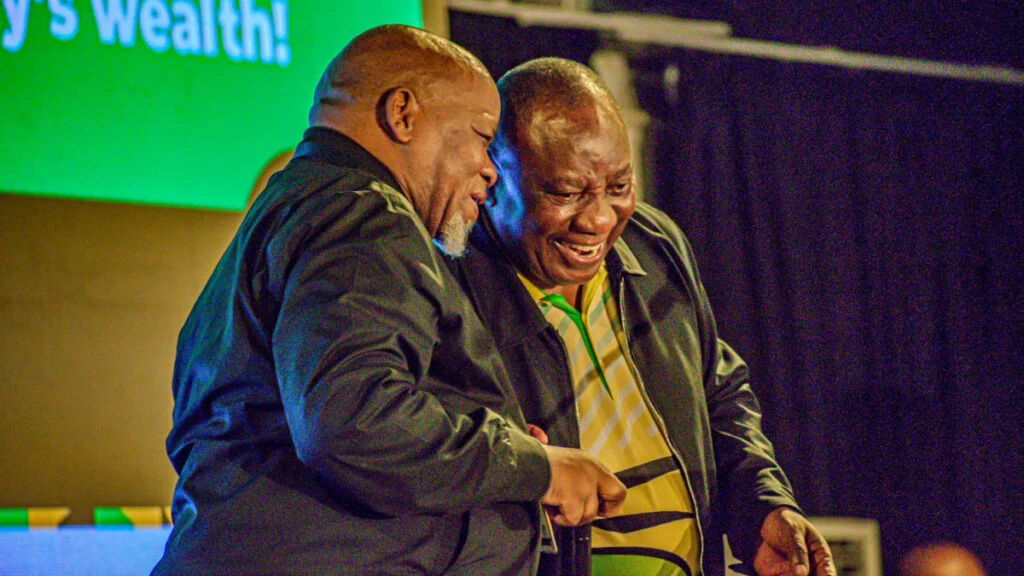
A blistering critique from a leading business voice has thrown fuel on one of South Africa’s most contentious debates: the economic legacy of Black Economic Empowerment (BEE). Gerhard Papenfus, CEO of the National Employers’ Association of South Africa (NEASA), has labelled the policy an “unnatural economic structure” that has done “immense and lasting damage” to the country, rewarding political connections over merit and hollowing out genuine entrepreneurship.
His comments were a direct response to Mineral Resources and Energy Minister Gwede Mantashe, who recently stated that debating BEE promotes “white supremacy” and claimed the policy has successfully enabled black ownership and management.
A System of “Economic Coercion,” Not Empowerment
Papenfus forcefully rejected this characterisation. “It’s not a question of white anger. I think everybody, except those who really benefit from this scheme, doesn’t like it at all. We detest it,” he argued.
He contends that BEE has fundamentally distorted the economy by enforcing preference based on political alliance and colour rather than merit. “If you want to compete or even participate in the economy, you have to participate in this model,” he said, describing it as economic coercion. This, he claims, excludes capable businesses, inflates costs, and has played a key role in the collapse of state-owned enterprises through inflated procurement.
Creating Riches, Not Empowerment
Beyond the financial costwhich the Solidarity Research Institute estimates at R226 billion annually, or 3% of GDPPapenfus believes BEE erodes the spirit of enterprise. “We didn’t empower people. We made some of them rich,” he stated, arguing that wealth acquired without building value is unsustainable and teaches nothing about creation.
He saved his harshest criticism for what he called “parasites” in the systemindividuals who gain ownership or directorships without contributing to the business’s foundation. “They want to ride on the success that somebody else has built… They bring no benefit, make no contribution. That’s a parasite.”
The Solution: Merit, and the “Wonderful” Township Economy
Papenfus insists opposition to BEE is not about protecting white wealth but about fostering real entrepreneurship. He points to the vibrant, organic township economy as evidence of genuine transformation already happening. “There we see entrepreneurs doing their thing. That’s wonderful. That’s real entrepreneurship.”
His proposed solution is simple but politically explosive: scrap BEE and return to awarding contracts based on price and quality. Until that happens, he warns, “The country cannot afford this. It is bankrupting South Africa.”
The clash between Papenfus and Mantashe frames the central tension in South Africa’s economic policy: is BEE a vital tool for redress and inclusion, or a politically enforced distortion that is crippling the country’s economic potential? The debate, charged with accusations of racism and parasitism, shows no signs of resolution, but its stakes for the nation’s future could not be higher.