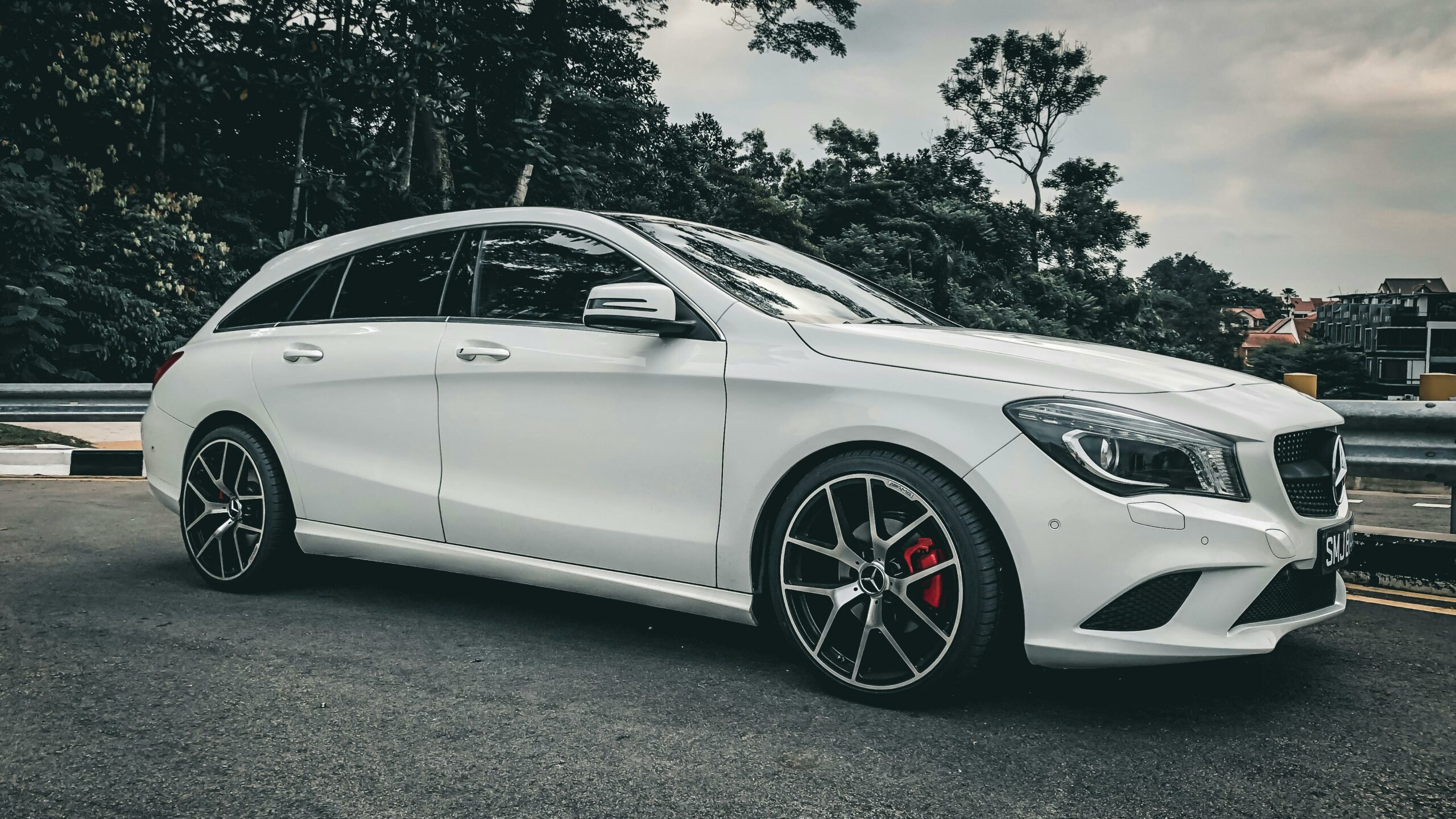
When Mercedes-Benz announced it would begin producing its fully electric GLB SUV in Hungary, it wasn’t just launching another carit was redrawing the map of global automotive manufacturing. This strategic pivot away from traditional hubs like Germany and Mexico toward its plant in Kecskemet, Hungary, signals a profound shift in how carmakers are navigating a new world of razor-thin margins, trade wars, and ferocious Chinese competition.
The Simple Math: Halving the Cost
The core driver is brutally simple: production costs in Hungary are less than half those in Germany. For a premium model like the €59,000 electric GLB, that margin is the difference between profit and loss. Mercedes has confirmed some C-Class sedan production will also move to Hungary later this year, solidifying the country’s role as a critical, cost-competitive manufacturing base.
Proximity as a New Priority
But it’s not just about wages. Hungary offers strategic proximity. Mercedes manufactures battery packs on-site at Kecskemet, slashing logistics costs, reducing supply chain vulnerability, and speeding up assembly. In an age of disrupted shipping and geopolitical uncertainty, this vertical integration is a powerful advantage.
The Tariff Shadow and the China Squeeze
Two external forces are accelerating this move:
-
The Tariff Threat: Looming US tariffs on European car imports have German automakers, who export heavily to America, urgently seeking more resilient production footprints. Shifting output to lower-cost EU locations like Hungary doesn’t avoid tariffs, but it provides a crucial cost buffer to absorb the blow.
-
The China Pressure: Once Mercedes’ growth engine, China is now a pressure point. Local giants like BYD and Nio are sparking a price war, squeezing margins for foreign premium brands. Mercedes’ automotive return has dropped below 5%, far from its target. Lower production costs in Hungary help offset this pricing weakness globally.
An EV Reset with Financial Discipline
The move is also central to Mercedes’ electric vehicle reset. After a slower EV rollout, the company is banking on models like the electric GLB, GLC, and CLA to regain momentum. Building these EVs in a cost-efficient location is essential, as EV margins remain thinner than those for combustion engines. Hungary allows Mercedes to scale its electric ambitions without sacrificing profitability.
The Bigger Picture: A New Geography of Making Cars
Mercedes’ decision is a bellwether for the entire industry. It underscores that:
-
Germany is no longer the default for premium manufacturing.
-
Cost efficiency is now as critical as brand prestige.
-
Trade policy directly dictates factory locations.
-
Production is shifting closer to demand or to low-cost, high-skill regions.
This isn’t an emotional retreat from German engineering; it’s a cold, commercial calculation. For emerging markets watching closely, the lesson is clear: the future of manufacturing will favor nations that combine infrastructure, skilled labor, and policy stability at a competitive cost. Mercedes isn’t just building cars in Hungaryit’s blueprinting the survival strategy for legacy automakers in a fragmented world.