Sports
Growing Calls To Boycott The World Cup Put FIFA In A Tough Spotlight
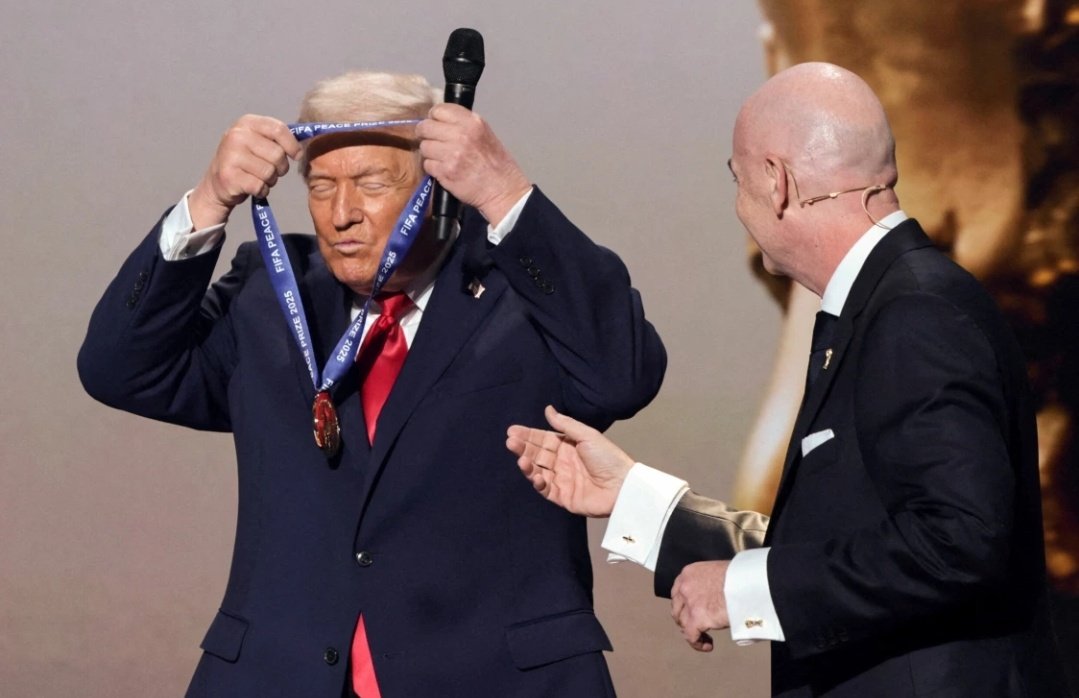
The countdown to the 2026 FIFA World Cup is officially underway, but the road to kick-off is turning out to be far more political than FIFA might have hoped. As the United States gears up to host the planet’s biggest sporting event, pockets of the global football community are urging fans, federations and even entire national teams to consider a boycott.
These calls, most notably coming from European countries like Germany and the Netherlands, reflect a deeper global discomfort that has very little to do with football itself.
Why A Boycott Is Suddenly On The Table
The political temperature around the United States has been rising. Critics cite controversial foreign policy decisions, immigration crackdowns and newly introduced travel bans affecting several countries. For some, hosting a tournament of this magnitude while facing these accusations sends the wrong message.
In protests online, fans argue that if FIFA acted in the Russia case, then similar scrutiny should apply elsewhere. Hashtags like #Boycott2026 have been doing the rounds on football Twitter, especially after several political commentators in Europe linked US actions to broader international tensions.
Others want the United States removed as host altogether, saying the country should first show greater respect for international law.
Can FIFA Even Step In?
While it is tempting to draw comparisons with Russia’s ban in 2022, the picture is much more complicated. FIFA does not usually sanction governments. It sanctions football associations. When Russia was removed from international competition, it happened largely because other teams refused to play them on security grounds, not because FIFA launched a unilateral political punishment.
This is why many analysts doubt FIFA would intervene in the US case. If teams refuse to play on principle, that is one thing. But FIFA itself stepping in would be unprecedented.
Sport And Politics Have Always Intersected
Sports journalist Peter Stemmet summed it up perfectly on 702: “Sport and politics have always mixed, whether we like it or not.”
It is a truth many fans prefer to ignore but history keeps reminding us otherwise.
South Africans know this dynamic all too well. From apartheid-era sporting bans to political interference in federations today, sport has always reflected society’s tensions and triumphs.
Stemmet also reminded listeners about the 1936 Olympic Games in Nazi Germany, where Hitler used sport as propaganda, only to be humiliated by Jesse Owens’ brilliance on the track. And during the Cold War, Olympic medal tables practically doubled as political scoreboards between the United States and the Soviet Union.
World Cups Have Been Political Before
This is far from the first time global football has stepped onto political landmines. The 1978 World Cup in Argentina was staged under a brutal military dictatorship. Decades later, the tournament still carries an asterisk in conversations about fairness and legitimacy.
Viewed through that lens, the US controversy is not new. It is simply the latest chapter in a long history of global sport reflecting the politics of its time.
What Are Fans Supposed To Do?
As the tournament draws closer, supporters are caught in an emotional tug of war. Should they boycott in solidarity with global concerns? Should they continue to watch because football, to them, is a sanctuary from the world’s chaos? Or should they pressure their own federations to take a stand?
What is clear is that this conversation will only get louder. And for FIFA, which insists that football is apolitical, the World Cup in the United States may be its most politically charged challenge yet.
In the end, fans will have to decide whether the beautiful game can stay beautiful when the world around it is anything but.
For more sports news and updates check out: soccermag and africapicks
{Source:EWN}
Follow Joburg ETC on Facebook, Twitter , TikTok and Instagram
For more News in Johannesburg, visit joburgetc.com