News
South Africa’s Digital IDs Set To Launch Before Year-End As Government Pushes Bold Tech Shif
South Africa’s Digital Identity Era Is Finally Here
South Africans have been waiting years for smoother, faster government services. From long queues at Home Affairs to manual paper processes that often lead to delays and corruption, the frustration has been shared across the country. Now, government says the breakthrough is finally coming.
Digital IDs will officially start rolling out before the end of 2026, marking one of the biggest shifts in how citizens interact with the state.
And for many locals, the reaction has been a mix of optimism, curiosity and a cautious “let’s wait and see”.
A New Digital Backbone For Government Services
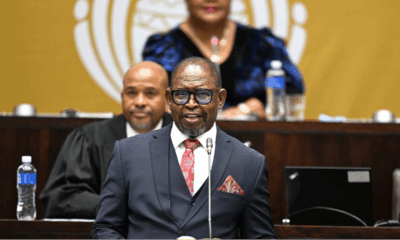
Speaking at a media briefing in Pretoria, Minister for Planning Monitoring and Evaluation Maropene Ramokgopa confirmed that the long-awaited rollout is on track. She explained that the Department of Home Affairs’ digitisation push has progressed well enough to support other departments.
The MyMzansi platform, launched as a prototype in 2025, will serve as the digital home for multiple government functions. Once the digital ID integration is complete, departments like Basic Education and Transport will also be able to plug into the system.
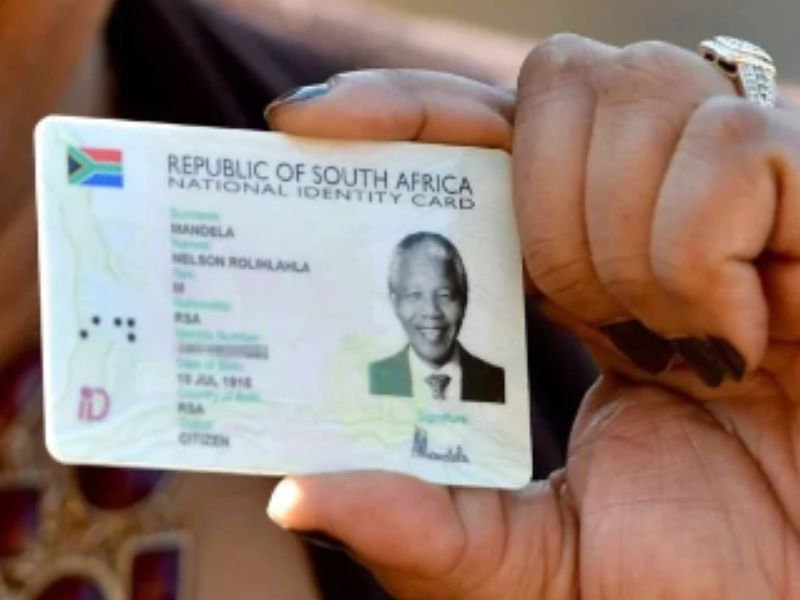
Ramokgopa said citizens can expect smart ID rollout as part of this transformation, describing it as the foundation for a future where government services exist in one digital space.
Why Digital IDs Matter For Ordinary South Africans
Digital IDs form the heart of President Cyril Ramaphosa’s vision to modernise government. When he announced the plan during his 2025 State of the Nation Address, he framed it as a national reset.
This shift is about more than convenience. It aims to:
-
Reduce corruption by phasing out manual, paper-based systems
-
Support economic growth through modern technology
-
Make government more accessible, especially for remote communities
-
Streamline services like licence renewals, traffic fines and school placements
The long-term idea is one unified platform where every South African can access government at the touch of a screen.
Momentum Built Through A Busy Year At Home Affairs
Throughout 2025, Home Affairs quietly laid the groundwork for this major change.
Some of the improvements included:
-
Self-service kiosks in selected branches
-
An upgraded e-visa system
-
More bank branches offering Home Affairs services
-
Administrative clean-ups to reduce delays
These efforts paid off. The department issued 3.6 million smart ID cards in 2025, breaking its own annual record by half a million. It also cleared a ten-year visa backlog of more than 300 000 cases.
Meanwhile, the Border Management Authority deployed drones and body cameras, which helped increase detection of illegal border crossings by 125 percent.
All of these steps strengthened the digital infrastructure required for a full-scale rollout.
What This Means For Future Services Like Driving Licences
Perhaps the most exciting development for everyday South Africans is the possibility of a digital driver’s licence. The Department of Transport has already signalled its intention to move away from expensive physical cards.
A digital system would:
-
Lower production and replacement costs
-
Cut down on fraud
-
Speed up processing for fines and renewals
Digital IDs will make it possible for different departments to authenticate citizens instantly, without physical paperwork slowing down the process.
Private Sector Partnerships Already Underway
Deputy Minister Seiso Mohai confirmed that Home Affairs is working closely with banks and financial institutions, many of which have already adopted advanced biometric and verification technologies.
These partnerships are expected to make the rollout smoother and more secure.
A Step Toward The Country We Keep Talking About
South Africa’s digital ID launch marks more than a tech upgrade. It signals a future where public services may finally match the pace and convenience of modern life.
While questions remain about implementation and timelines, the move places the country firmly on a path toward a more connected, efficient and accountable government.
And for millions of South Africans who have spent hours waiting in long queues, that future cannot arrive soon enough.
{Source:Tech Central}
Follow Joburg ETC on Facebook, Twitter , TikTok and Instagram
For more News in Johannesburg, visit joburgetc.com