News
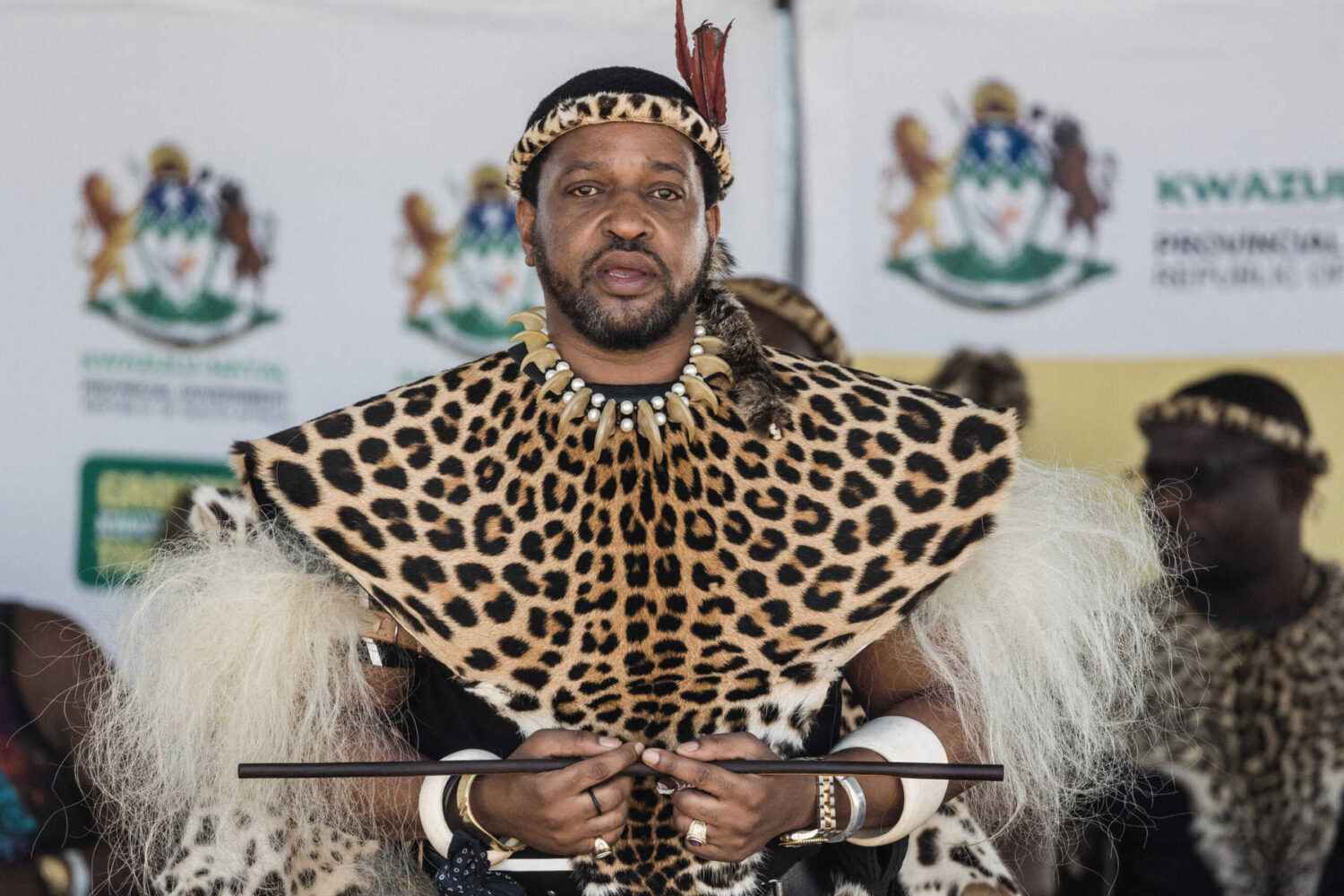
Why King Misuzulu wants Natal removed from KwaZulu-Natal
A familiar debate returns to the spotlight
The long-running debate over the name of KwaZulu-Natal has resurfaced, this time led by AmaZulu King Misuzulu kaZwelithini himself. Speaking at the 147th commemoration of the Battle of Isandlwana in Nquthu, the king made it clear that he wants the word “Natal” removed entirely, leaving the province known simply as KwaZulu.
For many South Africans, the name has always felt like a compromise rather than a settled identity. King Misuzulu’s comments have reopened old conversations about history, colonial legacies, and how names continue to shape power and belonging in a democratic South Africa.
Why the name Natal is being challenged
According to the king, the issue is not symbolic but historical. He argues that before colonial rule, the land formed part of the Zulu kingdom and was known as KwaZulu. The name Natal, he says, was imposed by colonisers and does not reflect the true identity of the region.
Speaking at Isandlwana, a site deeply tied to Zulu resistance and memory, the message carried extra weight. The king questioned why a colonial name still sits alongside KwaZulu more than three decades after the end of apartheid.
A province shaped by compromise
Before 1994, the province was officially called Natal, while areas north of the uThukela River were known as KwaZulu. During the early 1990s negotiations at the Convention for a Democratic South Africa, the future of provincial names became a flashpoint.
The Inkatha Freedom Party strongly pushed for recognition of KwaZulu as a political and cultural entity. When this was initially rejected, the party threatened to boycott the first democratic elections. A last-minute compromise between the ANC, the National Party, and the IFP led to the creation of the combined name KwaZulu-Natal, with provinces given the authority to determine their own names.
It was a solution designed to keep the peace rather than settle the question forever.
Public reaction and renewed debate
Unsurprisingly, King Misuzulu’s remarks have sparked lively discussion online and on talk radio. Some support the move, seeing it as a necessary step in undoing colonial naming and restoring African identity. Others worry about the practical and political implications, from costs to inclusivity in a province that is home to many cultures.
What is clear is that the issue still resonates. Names in South Africa are rarely just labels. They carry memory, power, and unresolved history.
More than a name
King Misuzulu’s call is less about administrative change and more about reclaiming narrative. By raising the issue at Isandlwana, he linked the present directly to the past, reminding South Africans that the legacy of colonialism is still visible in everyday language.
Whether the campaign gains political traction remains to be seen. But once again, KwaZulu-Natal finds itself at the centre of a national conversation about who gets to define place, history, and identity in modern South Africa.
Follow Joburg ETC on Facebook, Twitter, TikT
For more News in Johannesburg, visit joburgetc.com
Source: IOL
Featured Image: Central News South Africa