Courts & Legal
Pick n Pay can’t dodge responsibility, SCA rules after Chester Williams’s widow’s fall
Pick n Pay can’t dodge responsibility, SCA rules after Chester Williams’s widow’s fall
For South African shoppers, supermarket aisles are meant to be routine and uneventful. But for Maria Williams, a quick trip to Pick n Pay in Cape Town turned into a years-long legal battle, one that has now reached its final chapter.
The Supreme Court of Appeal (SCA) has firmly shut the door on Pick n Pay’s latest attempt to escape liability for injuries Williams suffered after slipping in one of its stores, confirming that the retail giant remains legally responsible.
A fall that changed everything
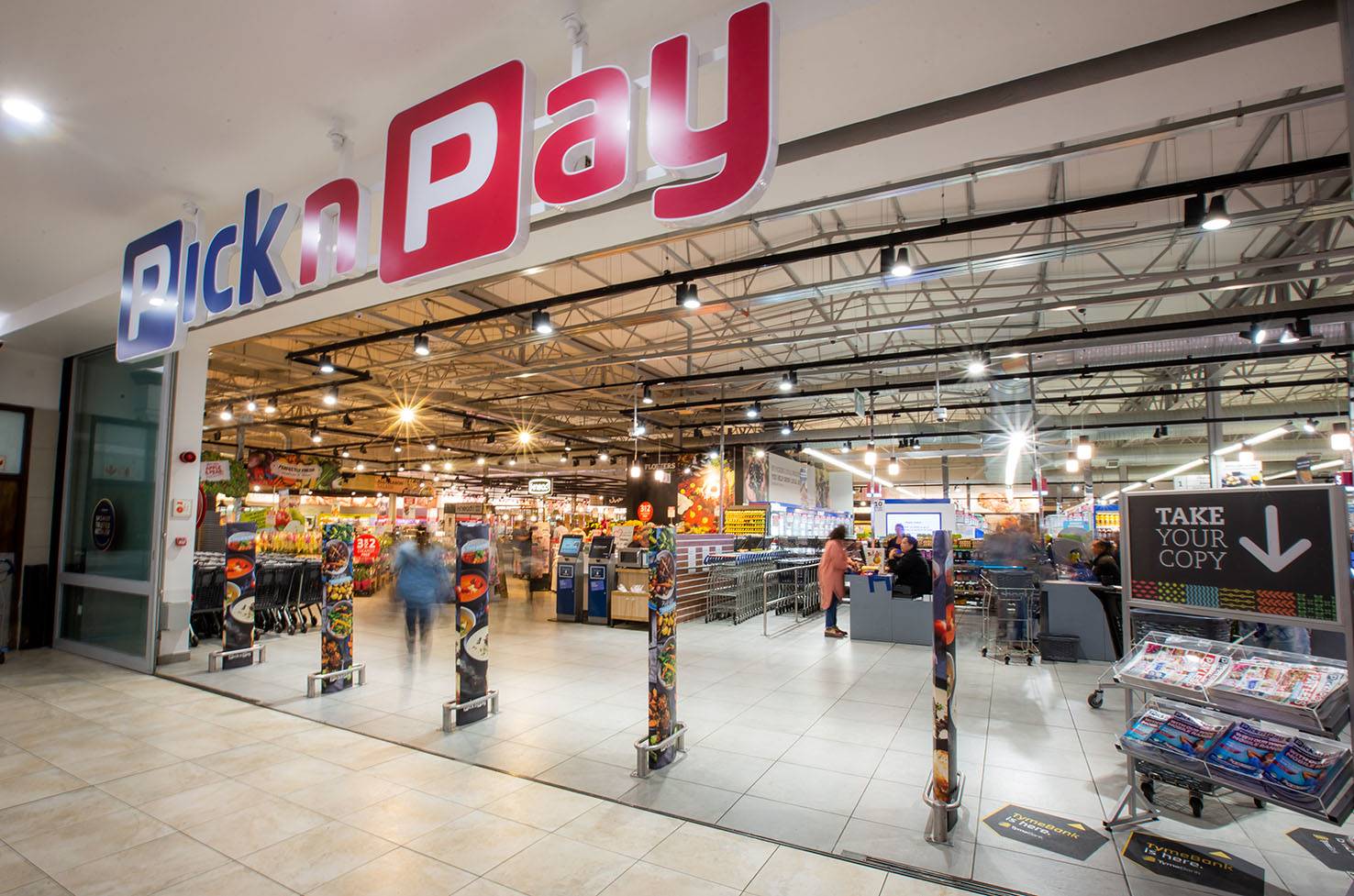
The incident dates back to 13 November 2017 at Pick n Pay’s N1 City Mall store in Goodwood. Williams, the widow of late Springbok and 1995 Rugby World Cup hero Chester Williams, was shopping with her sister when she briefly left the checkout to grab a forgotten item.
Walking briskly but not recklessly down an aisle, she suddenly slipped and fell. Moments later, she noticed an oily, orange-coloured substance on the sole of her shoe. The fall left her with injuries to her left hip and shoulder, requiring medical treatment and ongoing care.
At first, Pick n Pay indicated it would assist with medical costs. That support never materialised.
From supermarket aisle to courtroom
With no resolution in sight, Williams took the matter to the Western Cape High Court, claiming damages for medical expenses, loss of earnings and pain and suffering.
In September 2023, the High Court ruled decisively in her favour, finding that Pick n Pay had failed to take reasonable steps to keep its store safe. The retailer was held fully liable for proven damages, though it was granted the right to recover costs from its cleaning contractor, Tradesoon (Pty) Ltd, trading as Bluedot.
Pick n Pay argued that responsibility rested with the contractor not the store itself and sought leave to appeal. That request was refused. A petition to the SCA met the same fate.
“Not another bite at the cherry”
Still pushing back, Pick n Pay turned to an unusual legal provision, asking the SCA to reconsider its refusal under Section 17(2)(f) of the Superior Courts Act a mechanism reserved for rare cases involving a grave failure of justice.
The SCA wasn’t persuaded.
In a unanimous judgment, retired judges Vuminkosi Dlodlo, Xolani Petse and Boissie Mbha made it clear that the section is not a safety net for litigants unhappy with repeated losses. The court said Pick n Pay was simply trying to reargue points already considered and rejected.
Why outsourcing wasn’t enough
Crucially, the judges reinforced a principle that affects every major retailer in South Africa: you can outsource cleaning, but not responsibility.
Evidence showed that Pick n Pay did not actively supervise the contractor, failed to review cleaning logs, and had no staff monitoring the aisle at the time of the fall. In a busy supermarket environment where spills are entirely foreseeable that lack of oversight mattered.
The court rejected arguments based on older case law protecting businesses from contractor negligence, stressing that liability still arises when a store fails to ensure proper safety systems are implemented and enforced.
Why this ruling matters beyond one case
On social media and consumer forums, the judgment has been widely welcomed as a win for everyday shoppers, many of whom have long complained about slippery floors and poor in-store monitoring.
Beyond the personal impact on Williams, the ruling sends a clear message to retailers: customer safety cannot be delegated and forgotten. For shoppers, it reinforces the right to expect safe premises and accountability when that standard isn’t met.
The SCA dismissed Pick n Pay’s application with costs, bringing a long and painful chapter to a close and setting a precedent that resonates far beyond one Cape Town aisle.