Business
Why the United States sanctions threat should worry South Africa
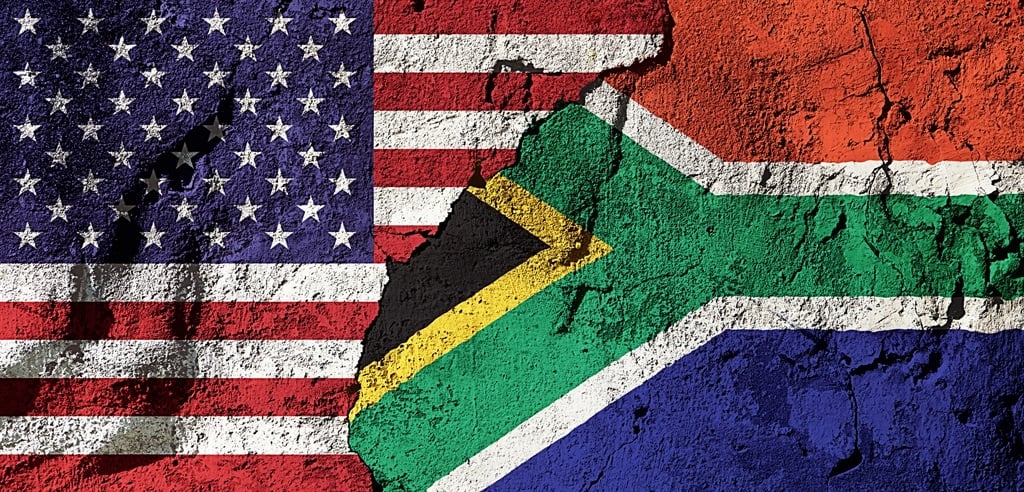
When talk of sanctions starts circulating again, South Africans tend to shrug it off as political noise. We have been here before. But according to respected economist Dawie Roodt, that sense of distance could be dangerously misleading.
Speaking on the Praag Podcast, Roodt unpacked why the United States holds far more economic power over South Africa than many people realise, and why the country’s current financial position makes it especially exposed.
This is not about panic or predictions. It is about understanding the pressure points.
Sanctions are not new to South Africa
For older South Africans, the word “sanctions” still carries heavy historical weight. In the 1980s, international financial pressure helped force the apartheid government to the negotiating table. The United States was part of that effort.
Roodt reminded listeners that the financial sanctions of the late 1980s triggered a severe debt crisis. International banks stopped rolling over loans, foreign reserves ran dry, and South Africa eventually defaulted on parts of its foreign debt. Once confidence was lost, lenders did not come rushing back.
The political context today is very different. The economic vulnerabilities, however, are uncomfortably familiar.
The real weakness is low growth and high debt
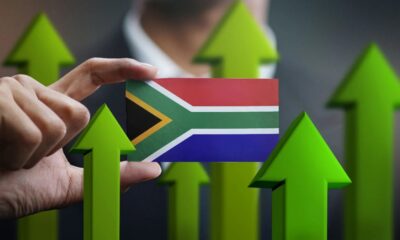
At the heart of South Africa’s risk, Roodt said, is the mismatch between government spending and economic growth. The economy is growing, but not fast enough to support what the state needs to spend.
That leaves the government with two options. Raise more taxes from a shrinking tax base or borrow more money. With debt levels already high relative to the size of the economy, the margin for error is thin.
This helps explain why SARS has become more aggressive in collecting taxes and why the National Treasury keeps talking about spending cuts. Finance Minister Enoch Godongwana knows the danger. The problem is that spending pressures continue to rise while growth remains too weak to carry the load.
This fragile balance makes South Africa far more sensitive to external shocks.
Why foreign investors matter so much
One of the most important details in Roodt’s analysis is often overlooked in public debate. Roughly 20 percent of South Africa’s government debt is held by foreign investors.
That matters because foreign capital can leave very quickly.
Roodt argued that the most powerful weapon the United States could use is not tariffs but financial sanctions issued through an executive order. Such an order could bar American institutions from holding South African government bonds.
If that happened, those investors would be forced to sell immediately. The likely result would be sharply higher interest rates, a falling rand, and severe pressure on local banks to absorb the debt.
In simple terms, it could trigger a financial crisis almost overnight.
Individual sanctions are the more likely path
Despite the stark warnings, Roodt was careful to stress that this is not what he expects to happen. It is what could happen if relations deteriorate badly and the United States decides to act.
More likely, he said, is a targeted approach focused on individuals rather than the country as a whole. This is already reflected in legislative proposals in the US House and Senate, which aim to sanction specific politicians or officials.
Targeted sanctions can include freezing overseas assets and blocking access to foreign financial systems. If a politically connected individual has money parked in the United States, that money can be frozen with little difficulty.
There is already public and political discussion in the United States about this kind of action, and Roodt believes it would be the first step if Washington chose to escalate pressure.
Why this conversation matters now
Online reaction to Roodt’s comments has been mixed. Some South Africans dismiss the warnings as alarmist. Others see them as a sober reminder that global politics still has real economic consequences.
The key takeaway is not fear but awareness. South Africa’s vulnerability does not come from ideology or diplomacy alone. It comes from slow growth, rising debt, and dependence on foreign capital.
Sanctions remain a blunt instrument. But as history shows, they are one the United States knows how to use.
Follow Joburg ETC on Facebook, Twitter, TikT
For more News in Johannesburg, visit joburgetc.com
Source: Business Tech
Featured Image: News24