News
The Complex Case of Goolam Mohammed Suliman Vawda and Its Impact on South African Digital Politics
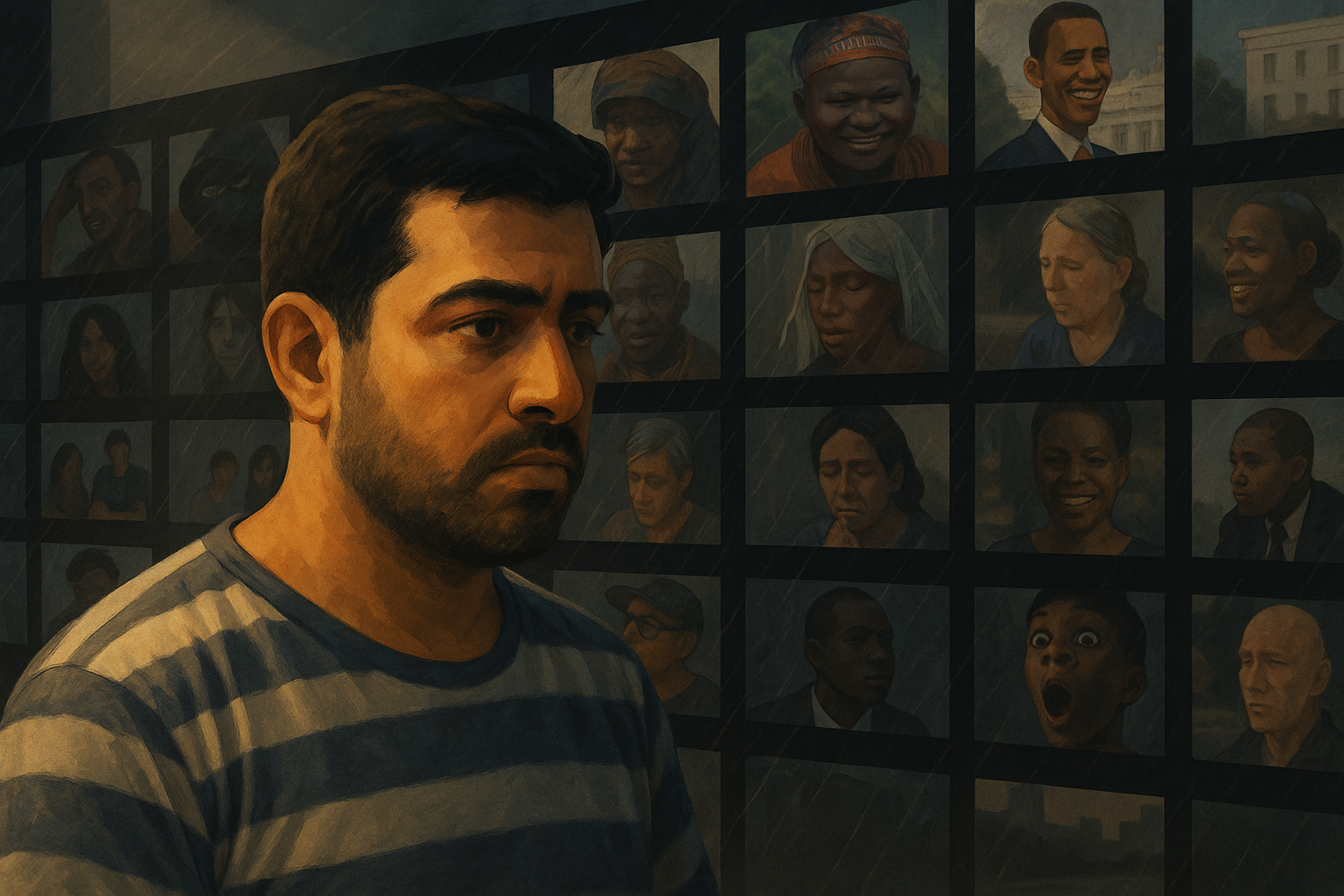
In a significant development affecting South Africa’s social media and political landscape, Goolam Mohammed Suliman Vawda known for his presence on the platform now called X under the handle @goolamv was recently found deceased in a Johannesburg hotel. His public profile has drawn attention to the complex interplay between digital influence and political activity.
Online Presence and Public Reactions
The @goolamv account, active for approximately seven years, has been associated by various commentators and sources with the spread of contested information and politically charged content. According to reports, this account attracted criticism from journalists, politicians, government officials, and entrepreneurs across South Africa, some of whom claimed to have been targeted by content they considered defamatory or threatening. Observers have noted shifts in the account’s political endorsements over time, ranging from support for former President Jacob Zuma, Cyril Ramaphosa, to elements within the Democratic Alliance and some parts of the ANC’s Government of National Unity.
Allegations and Political Connections
Over time, allegations emerged linking Vawda to business activities described by some sources as tenderpreneurship, and he was reported to have connections with senior ANC figures, including Secretary-General Fikile Mbalula. There have been claims from unnamed individuals about his access to sensitive government information, such as intended ministerial appointments. Additionally, some reports suggest possible use of automated networks to amplify social media messaging, raising concerns about the role of artificial intelligence and coordinated information campaigns in politics.
Legal Proceedings and Community Response
This week, court documents were reportedly served to Vawda, charging him with offenses including fraud, cyberbullying, hate speech, and publishing defamatory content. These charges highlight ongoing discussions about accountability and regulation in online spaces, especially concerning political discourse. Several civil society leaders and members of the public have expressed frustration over the perceived delays by law enforcement in addressing the allegations associated with Vawda’s activities, emphasizing challenges in investigating complex social media cases.
Perspectives on Digital Democracy in South Africa
The developments surrounding Vawda’s case underscore certain vulnerabilities in South Africa’s digital democratic processes. As social media continues to influence political narratives and public opinion, discussions have intensified around the need for transparent and effective regulatory frameworks and enforcement mechanisms. Public sentiment across various platforms reflects a mix of relief, confusion, and ongoing vigilance regarding political conflicts conducted behind online personas and anonymous accounts.
Local Significance and Wider Implications
Communities in Johannesburg and throughout South Africa are closely monitoring how the situation involving Vawda evolves. Analysts consider this a significant example of the challenges posed by digital influence in politics, emphasizing the importance of safeguarding the integrity of both political processes and online environments for all citizens.
This story remains fluid, with the ultimate impact of Vawda’s case likely to be shaped by any ensuing legal outcomes and potential reforms prompted within South African society.
Follow Joburg ETC on Facebook, Twitter, TikT
For more News in Johannesburg, visit joburgetc.com
Source: iol.co.za