agriculture
The Bitter Pill: Can Tongaat Hulett’s Last-Ditch Plea Save SA’s Sugar Belt?
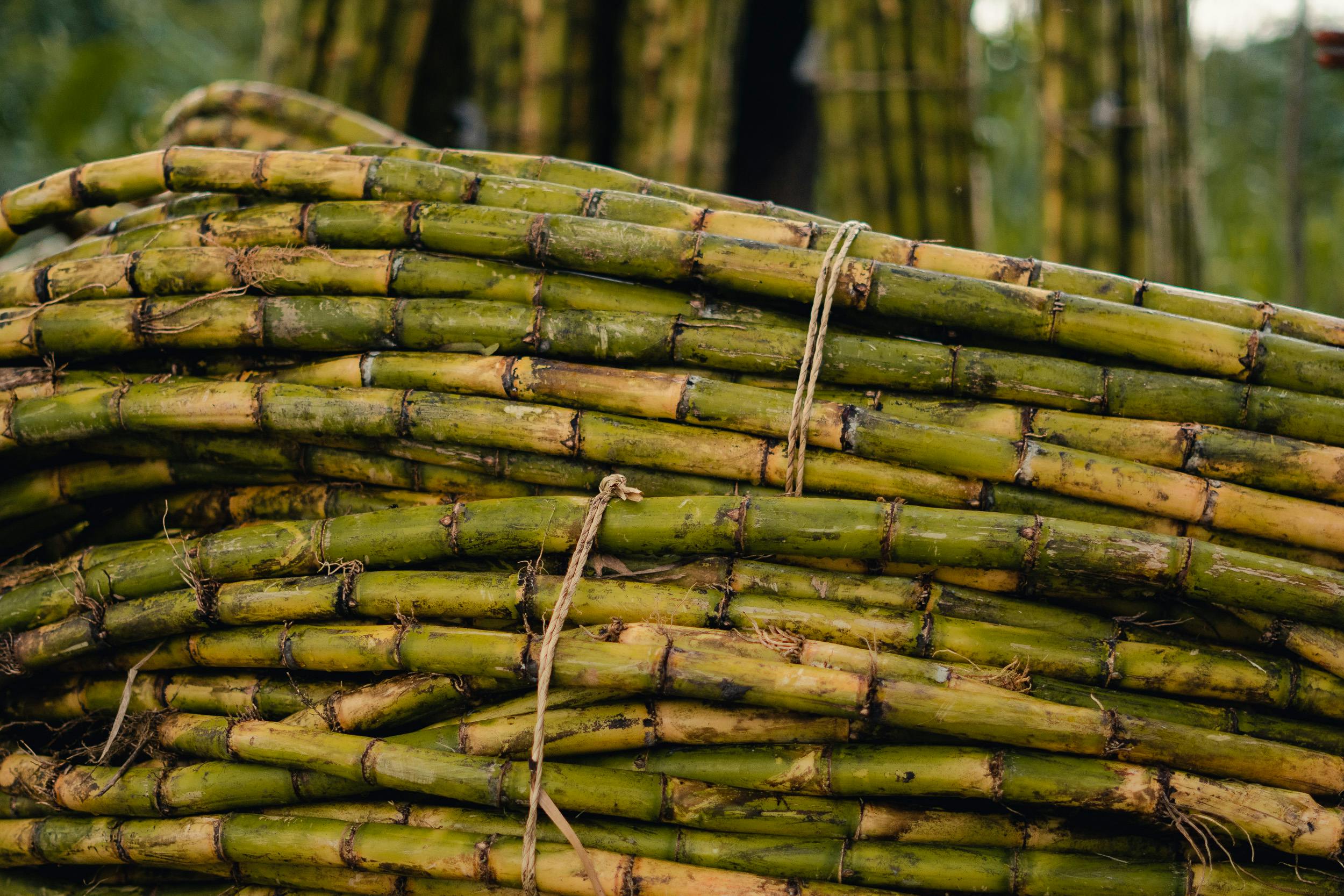
In the rolling hills of KwaZulu-Natal, where the air smells of earth and burnt cane, a silence is growing. It’s not peaceful. It’s the quiet of uncertainty, the held breath of thousands of farmworkers, mill operators, and small-town businesses whose lives are woven into the stalk of the sugar cane. At the centre of this looming quiet is Tongaat Hulett, a titan on life support, now saying its final hope hinges on reforms that could reshape an entire industry.
The message from the company’s boardrooms to government offices is stark: save the structure, or watch the house fall.
A Rescue Plan Running on Empty
Tongaat Hulett, still grappling with the aftermath of a devastating accounting scandal, is deep in business rescue. A consortium led by Robert Gumede and Rutenhuro Moyo won the bid to revive it, promising a new dawn. But that dawn is stuck on the horizon. Insiders now reveal a grim ultimatum: without critical changes to the rules governing the South African Sugar Association (Sasa), funding could dry up and the rescue plan could grind to a halt.
“It’s a carrot and stick approach,” one source close to the proceedings confides. “The view from within is that there will be no progress without reforms.” Essentially, the new owners are arguing they cannot fix the patient while the rules of the hospital are making it sicker.
The Real Villain: A Flood of Cheap Sweetness
So, what are these crippling structural issues? Tongaat points a firm finger at the border. “By far the biggest challenge,” the company states, “is the inflow of cheap imported sugar.” Last year, South Africa imported a record volume, with over 245,000 tons entering duty-free through eSwatini alone. This deluge of cheaper sugar undercuts local producers, collapsing prices and making it impossible for a cost-heavy, jobs-rich local industry to compete.
For communities from Tongaat to Malelane, this isn’t about corporate balance sheets. It’s about the estimated 330,000 livelihoods the industry supports. It’s the spaza shop that sells to mill workers, the school funded by local taxes, the entire rural economy that grew around this sweet harvest.
A Government Balancing Act
The Department of Trade, Industry and Competition (the dtic) acknowledges talks are underway but is careful to frame them as broader industry reforms, not a Tongaat-specific bailout. Director of Communications Bongani Lukhele notes that Sasa and the dtic have “already commenced discussions on the proposed amendments.”
This follows a crucial Supreme Court of Appeal decision in December that went against Tongaat, forcing the company to keep paying its statutory levies to Sasa despite its rescue process. The court ruled these payments were vital for industry stability. That ruling may have been the final push that turned Tongaat’s lobbying into a desperate public campaign for systemic change.
A Justified Demand or a Delay Tactic?
Not everyone in the industry is sympathetic. Some competitors and observers whisper that this reform push is a convenient scapegoat. “Perhaps they are trying to score some wins,” one industry source mused, “or it can be seen as a way of justifying the delay or lack of progress.”
Tongaat concedes the rescue is “taking longer than anticipated” but frames its engagement as a fight for the sector’s overall “long-term sustainability and competitiveness.” They are, in effect, tying their own survival to the health of the entire industry.
The standoff presents the government with a wrenching dilemma. How do you balance the need for fair, pro-consumer trade with the protection of a strategic agricultural sector and the hundreds of thousands who depend on it? Reforming Sasa and tackling import loopholes is a complex political and economic puzzle.
One thing is clear: the outcome of this high-stakes negotiation will determine more than the fate of one company. It will write the next chapter for South Africa’s sugar lands, deciding whether they remain vibrant communities or become landscapes of quiet decline. The bitter truth is that sometimes, to save the jobs, you have to change the recipe.
Follow Joburg ETC on Facebook, Twitter , TikTok and Instagram
For more News in Johannesburg, visit joburgetc.com