News
When truth goes viral: TikTok and the fight for Palestinian voices
When truth goes viral, power pushes back
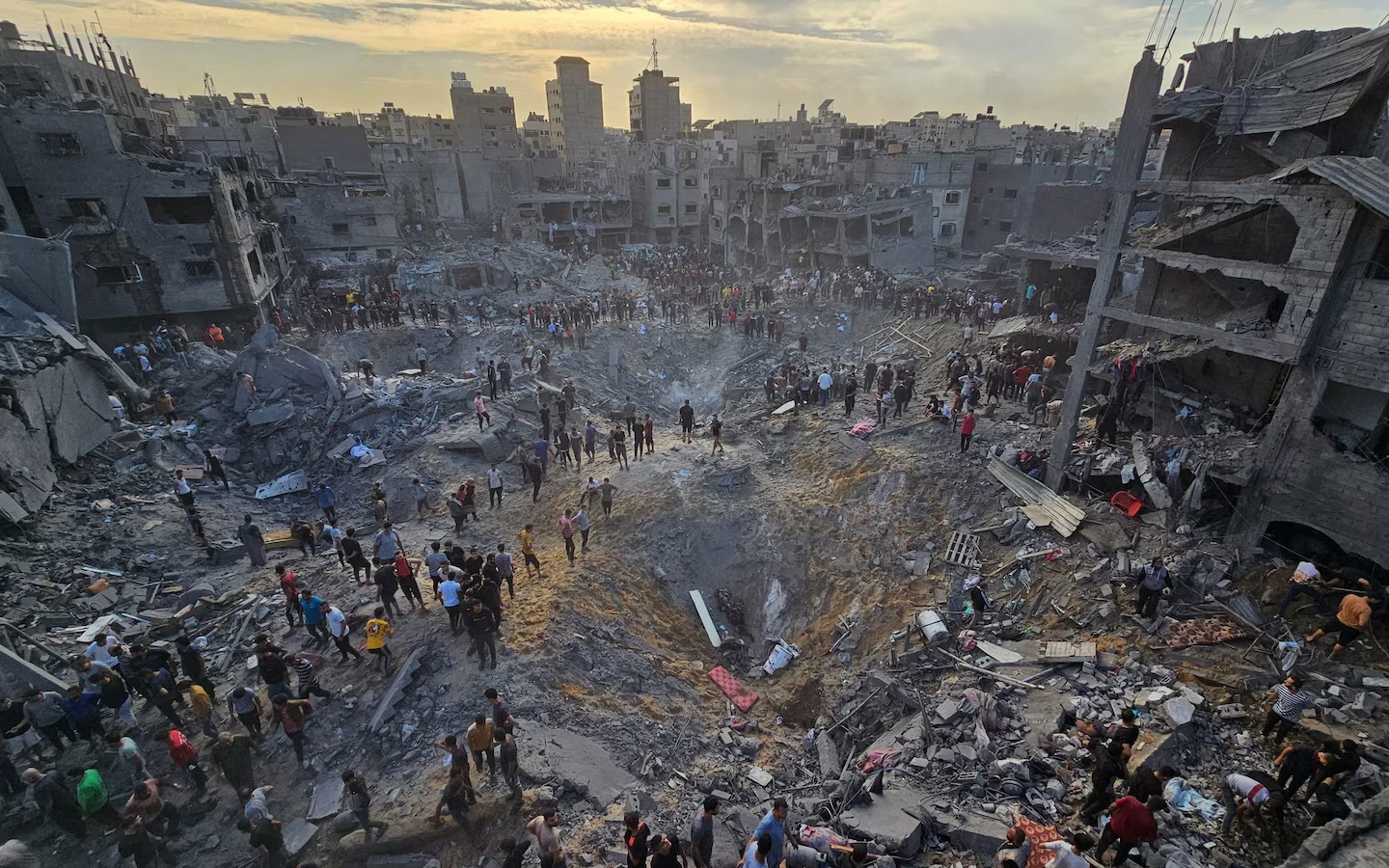
Scroll through TikTok today, and you are not just watching dance trends or recipe hacks. For millions of young people, the platform has become a window into Gaza, showing scenes of devastation that many say never made it onto traditional news bulletins. Schools reduced to rubble. Hospitals overwhelmed. Places of worship torn apart.
For those following events closely, the war in Gaza has felt like more than a military assault. It has also been a fight over truth itself.
Medical journal The Lancet and the United Nations Special Rapporteur for the Occupied Palestinian Territories have both raised serious alarms about the scale of death. Francesca Albanese has warned that the true human toll of the Israeli offensive in Gaza is likely far higher than official figures, once indirect deaths, destroyed healthcare systems, disease, and long-term displacement are taken into account.
TikTok and the collapse of old narratives
What has shifted this time is where people are getting their information. TikTok has been widely credited with exposing younger audiences to footage and testimony from Palestinians on the ground, often contradicting official Israeli narratives and long-standing hasbara messaging.
Across South Africa, and especially in cities like Johannesburg, where pro-Palestine marches have drawn thousands, TikTok clips have been shared on WhatsApp groups, reposted on Instagram Stories, and debated at dinner tables. For many users, the app became a crash course in media literacy. Who controls the story? Who benefits when some voices are amplified, and others quietly disappear?
That visibility has not gone uncontested.
Why TikTok suddenly became a target
As TikTok’s influence grew, so did political pressure. Critics of the platform began framing it as a national security risk, arguing that its Chinese ownership could allow data harvesting or algorithmic manipulation.
Donald Trump, who has openly acknowledged TikTok’s value during his recent electoral success, pushed aggressively for control of the platform. In September 2025, Israeli Prime Minister Benjamin Netanyahu was secretly recorded at Israel’s Consulate General in New York boasting to a group of influencers that TikTok was “the most important purchase going on right now.” He also described X, formerly Twitter, as a key weapon in Israel’s communication strategy.
In recent months, reports of political pressure, ownership restructuring efforts, and growing US-aligned influence over TikTok have raised alarm among pro-Palestine activists, who fear the platform’s governance and algorithms could shift in ways that further suppress Palestinian voices.
For pro-Palestine activists, the alarm bells were immediate.
Fears of a quieter kind of silencing
Protesters and digital rights advocates worry that Palestinian content will now face increased censorship, shadow banning, or algorithmic deprioritisation. The fear is not necessarily outright bans but subtle shifts. More pro-Israel content promoted. Fewer Gaza videos are reaching For You pages. A gradual reshaping of what young users see and believe.
These concerns are not theoretical. Many activists say they have already experienced similar patterns on Facebook and other Meta platforms, where posts about Palestine have reportedly been removed, restricted, or labelled without clear explanation.
View this post on Instagram
A new platform born from loss and resistance
Out of this frustration and personal grief, a new response has emerged. Issam Hijazi, a Palestinian-Jordanian-Australian technologist, is the founder and CEO of UpScrolled and head of Recursive Methods Pty Ltd. With a career that includes working with IBM and Oracle and living across the Middle East, Asia, and Australia, Hijazi understands both technology and geopolitics.
He launched UpScrolled in 2025 after noticing what he described as meaningful stories disappearing from mainstream feeds while misinformation thrived. His motivation was deeply personal. In interviews, Hijazi has spoken about losing more than 60 family members in Gaza.
UpScrolled positions itself as a social platform built on equality and transparency. According to its creators, it aims to serve all people equally, with no hidden agendas, no quiet silencing, and no algorithmic favouritism. Freedom of expression and social responsibility are framed not as add-ons, but as the foundation.
The fight is far from over
The lesson many activists have drawn from Gaza is that when an oppressor’s narrative starts to crumble, the response is rarely acceptance. It is often a counterattack. This time, that counterattack is playing out in app stores, boardrooms, and algorithms.
While TikTok helped crack open a global conversation about Palestine, the struggle over who controls digital spaces is only intensifying. For those who care about justice, the challenge now is staying alert even when the headlines fade and daily life resumes.
Because in an abnormal world, silence is rarely neutral.
Follow Joburg ETC on Facebook, Twitter, TikT
For more News in Johannesburg, visit joburgetc.com
Source: IOL
Featured Image: The Washington Post