Power & Utilities
Joburg’s Dry Taps And Piles Of Waste Leave Residents Frustrated As Services Slip
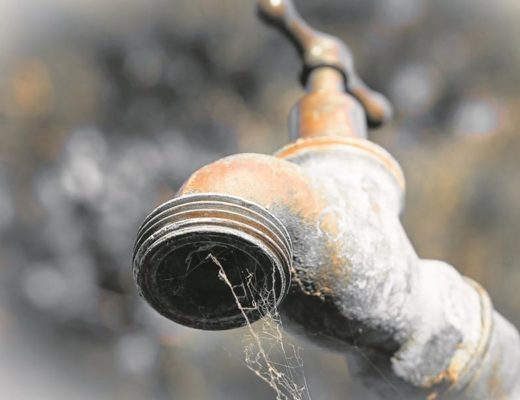
Johannesburg residents woke up this week to a double blow: dry taps and rubbish piling up on street corners, creating a familiar but increasingly worrying picture of how fragile basic services have become in the country’s biggest city.
For many neighbourhoods stretching from Melville to Midrand and across to Kensington, the simple act of opening a tap became a gamble. At the same time, bags of refuse were left baking in the heat as Pikitup casual workers blocked depots and halted waste-collection trucks. The combination created an uncomfortable reality for residents already tired of repeated service disruptions.
A City Running On Reduced Pressure
The biggest shock came from Rand Water’s Zuikerbosch plant, where a sudden internal power failure stopped pumping to Johannesburg’s water system altogether. It happened just after urgent repair work was carried out at the Palmiet pumping station, which itself has been under pressure since major refurbishments in late 2025.
With both systems constrained, water flowing to three of the city’s most important pump stations Palmiet, Eikenhof and Zwartkopjes dropped sharply. Reservoirs across the city sank to critically low levels, and Johannesburg Water issued a list long enough to unsettle anyone relying on a tap to function.
Areas such as Bryanston, Berea, Erand, Rabie Ridge, President Park and South Hills were among those warned to expect no water at all. Others, including Illovo, Morningside, Lenasia, Grand Central and Diepsloot, faced low pressure to nothing more than a drip.
By Wednesday afternoon, Johannesburg Water confirmed that Palmiet was running again, but still not at full strength. Reduced pumping capacity meant booster stations were battling to stabilise levels, leaving reservoirs slow to recover.
And Joburg wasn’t alone. Parts of Ekurhuleni and Tshwane were also hit, showing just how interconnected Gauteng’s water system has become and how one failure can ripple across the province.
Garbage Piles Up As Pikitup Workers Down Tools
While residents tried to ration whatever water they had left, another crisis was unfolding on the waste-collection front. Unprotected industrial action by casual Pikitup workers brought depots to a standstill, with trucks unable to leave due to blockades.
In Midrand and Kyalami, bins stood untouched for two days before workers only began returning on Wednesday. In Diepsloot, tensions escalated when a refuse truck and a recycling vehicle were torched on Tuesday night, underscoring how volatile the situation had become.
The Randburg depot has been shut down by striking workers for more than a week, and other depots soon followed. Ward councillors reported that residents were fed up, with many complexes resorting to expensive private waste contractors just to keep their environments sanitary.
The Democratic Alliance said the crisis at Pikitup reflected deeper problems: weak governance, a breakdown in labour management, and delays in formally integrating informal waste reclaimers who already divert a significant portion of recyclables from landfills. With summer heat rising, concerns about disease and environmental risks grew louder.
Ward 94 Councillor David Foley said that even when Pikitup eventually resumes operations, the backlog typically takes two to three days to clear. This week’s disruptions, he warned, would likely be felt well into the weekend.
The Bigger Problem Behind The Chaos
As frustrating as these outages and blockages are, they also highlight longstanding patterns many Joburg residents know too well. Infrastructure that is decades old, pump systems operating at the edge of failure, and waste-management structures that buckle under labour disputes these issues are not new.
What is new is how frequently these crises now collide at the same time. Water outages and waste strikes are not usually linked, yet this week showed how quickly life in the city can unravel when multiple essential systems falter.
Where Things Stand Now
Operations at Palmiet are stabilising but still below normal. Reservoirs will take time to recover, and many taps across the city may remain dry or weak until systems reach full pumping strength.
At Pikitup, workers trickled back into depots on Wednesday, but a full return to service is still uncertain. Backlogs remain significant, particularly in high-density areas.
For now, Johannesburg is holding on but residents are clear that temporary fixes and partial recoveries won’t be enough forever.
The city may have weathered another tough week, but unless deeper repairs and better management take place, Joburg’s next water or waste crisis may not be far behind.
{Source:EWN}
Follow Joburg ETC on Facebook, Twitter , TikTok and Instagram
For more News in Johannesburg, visit joburgetc.com