News
Why Trump Isn’t Panicking About The Slumping Dollar
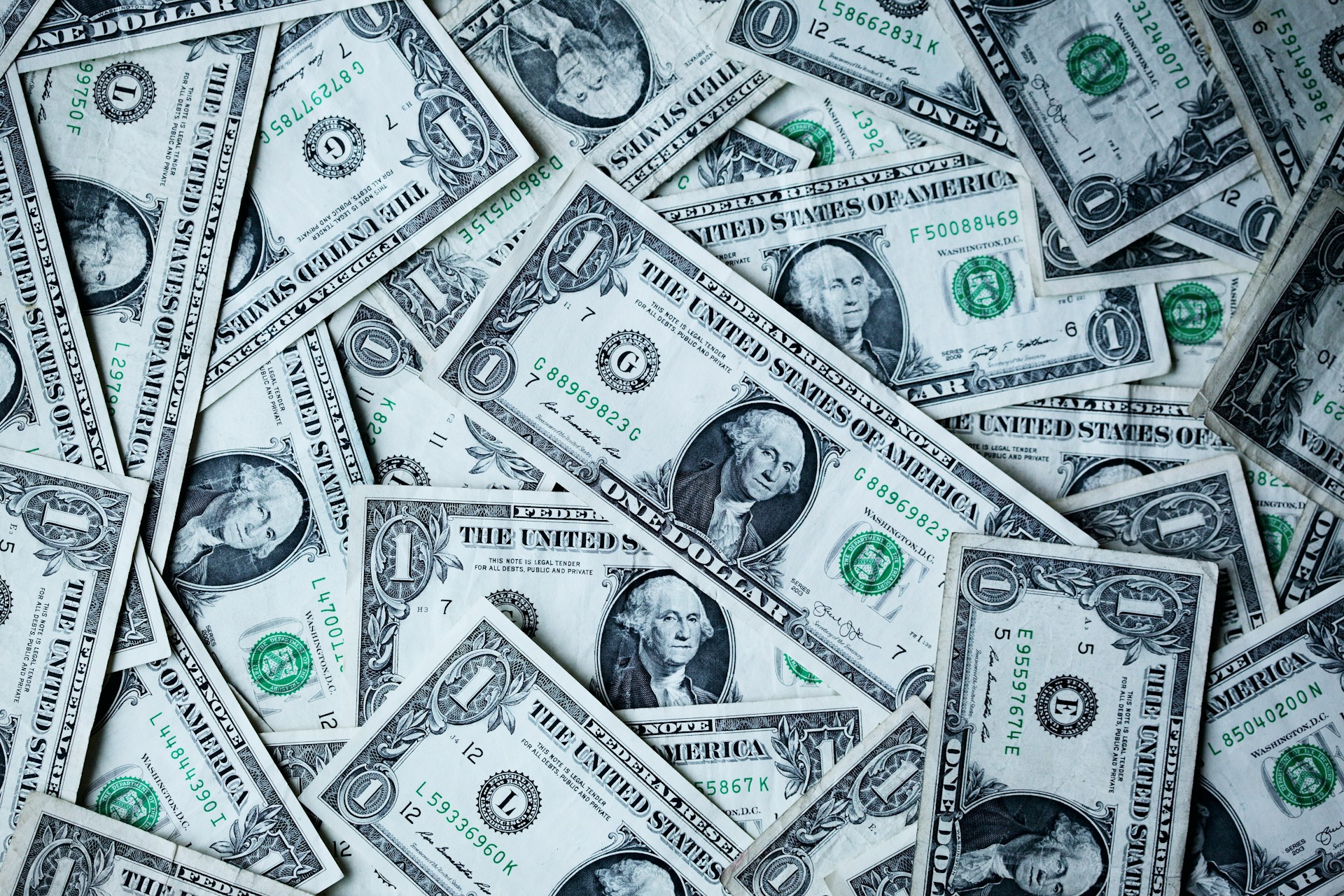
The US dollar has slipped to its weakest level in four years, losing 2.3% in January after a sharp 9% fall in 2025. While economists are sounding alarms, US President Donald Trump appears unbothered. In fact, he’s declared the current dollar level “great.”
For anyone who has followed Trump’s long, colourful relationship with economic talking points, this latest stance might feel contradictory. But there’s a deeper story behind his apparent calm, and it reveals more about America’s economic bind than it does about Trump himself.
Trump’s Confusing Love-Hate Relationship With The Dollar
Trump’s public comments about the dollar have never been straightforward. In 2025 he said he preferred a strong dollar but also admitted that a weak one “makes you a hell of a lot more money.”
Those mixed messages highlight his desire to enjoy the prestige of a dominant global currency while still reaping the benefits of a cheaper one. A strong dollar signals national strength and keeps the US at the centre of global finance. But a weaker dollar makes American-made goods more affordable abroad, boosting manufacturing a key promise of Trump’s political brand.
The problem is that he can’t have both at once.
A Weaker Dollar Helps Manufacturing But Hurts The Wallet
A cheap dollar can stimulate exports and theoretically support Trump’s push to bring factories back home. But there’s a catch. When the dollar drops, everything the US imports becomes more expensive. That feeds inflation, a political issue Trump is extremely sensitive to.
So even if a weaker dollar fits some of his ambitions, it risks setting off price increases across the economy, something no president wants to deal with especially not one known for campaigning on affordability.
Trade Deficits, Reserve Currency Status And The Triffin Dilemma
Trump often talks about fixing America’s trade deficits. But there’s a major obstacle: the US issues the world’s reserve currency.
According to the Triffin Dilemma, a reserve-currency country must run trade deficits simply to supply enough of its currency to the rest of the world. If the US suddenly flipped to trade surpluses, dollars would flow back home and the system would choke.
In other words, the US can’t reduce its deficits without threatening the dollar’s global role. And Trump can’t keep the dollar powerful internationally without tolerating those deficits.
It’s a structural contradiction built into the modern global economy, not a political choice.
Debt, Deficits And Why A Weak Dollar Might Be Inevitable
The bigger picture is even more challenging. The US is juggling:
• annual fiscal deficits of around two trillion dollars
• a massive $38.5 trillion national debt
• and the responsibility of issuing the world’s most-used currency
These forces are difficult to balance simultaneously. With so much dollar-denominated debt worldwide, a too-strong dollar becomes dangerous. When the dollar rises, it becomes harder for global borrowers to repay their loans, leading to shortages of dollars and destabilising markets.
A strong dollar also scares off foreign investors because American assets look expensive in their own currencies. Less foreign demand for US debt would push yields higher a nightmare scenario for a country already relying heavily on cheap borrowing.
Why Trump May Be Right About A Softer Dollar
So when Trump says the dollar’s slump is “great,” it may not be economic wisdom, but it is aligned with a harsh reality. A weaker dollar eases global pressure, attracts investment, and helps the US continue borrowing without blowing up its financial system.
Does Trump fully grasp the dynamics at play? Only he could answer that. But in this case, his instinct for a softer dollar may actually line up with what the global economy needs most right now: relief from the strain of a currency that has been too strong for too long.
{Source: IOL}
Follow Joburg ETC on Facebook, Twitter , TikTok and Instagram
For more News in Johannesburg, visit joburgetc.com