Courts & Legal
Cat Matlala’s move to KZN prison raises serious questions about trial access
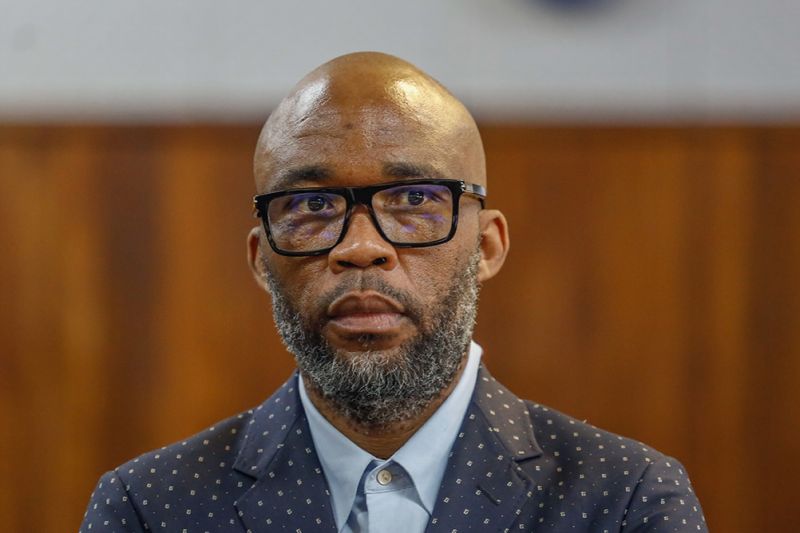
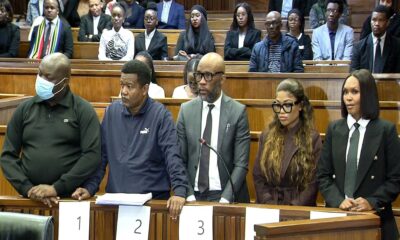
When Vusimuzi “Cat” Matlala appeared in the Gauteng High Court this week, the focus was not only on the serious charges he faces but also on where he is being held. His legal team has raised alarm bells over his continued detention at a correctional facility in rural KwaZulu-Natal, far from Johannesburg, where his case will be heard.
At the heart of the concern is access. According to his lawyers, the distance and conditions of his detention are making it increasingly difficult to prepare properly for trial.
A case that keeps expanding
Matlala, a businessman often described as a tenderpreneur, appeared alongside four co-accused after the matter was transferred from the Alexandra Magistrate’s Court to the Gauteng High Court. Among the accused are his wife Tsakani Matlala, Musa Kekana, Tiego Floyd Mabusela and Mabusela’s daughter Nthabiseng Nzama.
The charges stretch across multiple years and alleged plots. They include attempted murder, conspiracy to commit murder, fraud, money laundering and defeating the ends of justice. Much of the case centres on the attempted killing of actress Tebogo Thobejane, who was shot at while driving on the N1 near Sandton in October 2023. The accused are also linked to an alleged attempt on taxi owner Joe Sibanyoni in 2022 and an unsuccessful plot involving DJ Vettys in 2024.
While Tsakani Matlala and Nzama are out on bail, Kekana and Mabusela abandoned their bail bids. Matlala remains behind bars after bail was refused in October 2025.
The move to Kokstad and why it matters
Matlala was transferred on 21 December 2025 from Kgosi Mampuru II Correctional Centre in Pretoria to eBongweni Correctional Centre in Kokstad. His lawyer, Advocate Annelene van den Heever, told the court the facility is simply too far from Johannesburg to allow meaningful consultation.
She described a process that involves flying to Durban, driving several hours to Kokstad and then waiting further before access is granted. Consultations allegedly take place behind thick glass, with limited privacy and restricted time. In some instances, scheduled visits were reportedly cancelled at short notice.
One moment that stood out in court was the claim that an instruction had been issued that nobody was allowed to see Matlala, leaving the defence scrambling to get clarity from senior correctional services officials.
Who ordered the transfer
The state distanced itself from the decision. Prosecutor Elize le Roux confirmed that neither the prosecution nor the investigating officer requested the relocation. According to the state, the Department of Correctional Services acted on what it described as security concerns. No further details were provided to the court.
Matlala’s history of custody adds another layer. He was previously found with a cellphone in prison and had earlier given evidence before a parliamentary committee while detained in Pretoria.
A mountain of evidence and a ticking clock
The court also heard that the state had disclosed the docket in August last year and that related cases had been centralised. However, Matlala and his wife only recently appointed new legal representatives, who received the docket last week.
The defence has since requested access to downloads from electronic devices in the state’s possession, amounting to about one terabyte of data. Van den Heever questioned gaps in the docket and said some documents appeared without clear sources. She argued that the defence is entitled to any material that could assist or potentially clear their client.
In a city where high-profile trials are followed closely online, the case has already sparked debate about whether distance and logistics can quietly undermine the right to a fair trial.
What happens next
Van den Heever warned that if Matlala remains detained so far from court, proper preparation will be compromised. She asked for time to engage with the state on moving him to a facility closer to Johannesburg and said an urgent application would follow if no agreement is reached.
Judge William Karam postponed the matter to 6 February. Until then, the spotlight remains firmly on whether where an accused is held can shape how justice is done in one of Gauteng’s most closely watched cases.
Follow Joburg ETC on Facebook, Twitter, TikT
For more News in Johannesburg, visit joburgetc.com
Source: The Citizen
Featured Image: LinkedIn/Siyabonga Majola