Trump’s new tariff threat shakes Caribbean energy lifeline
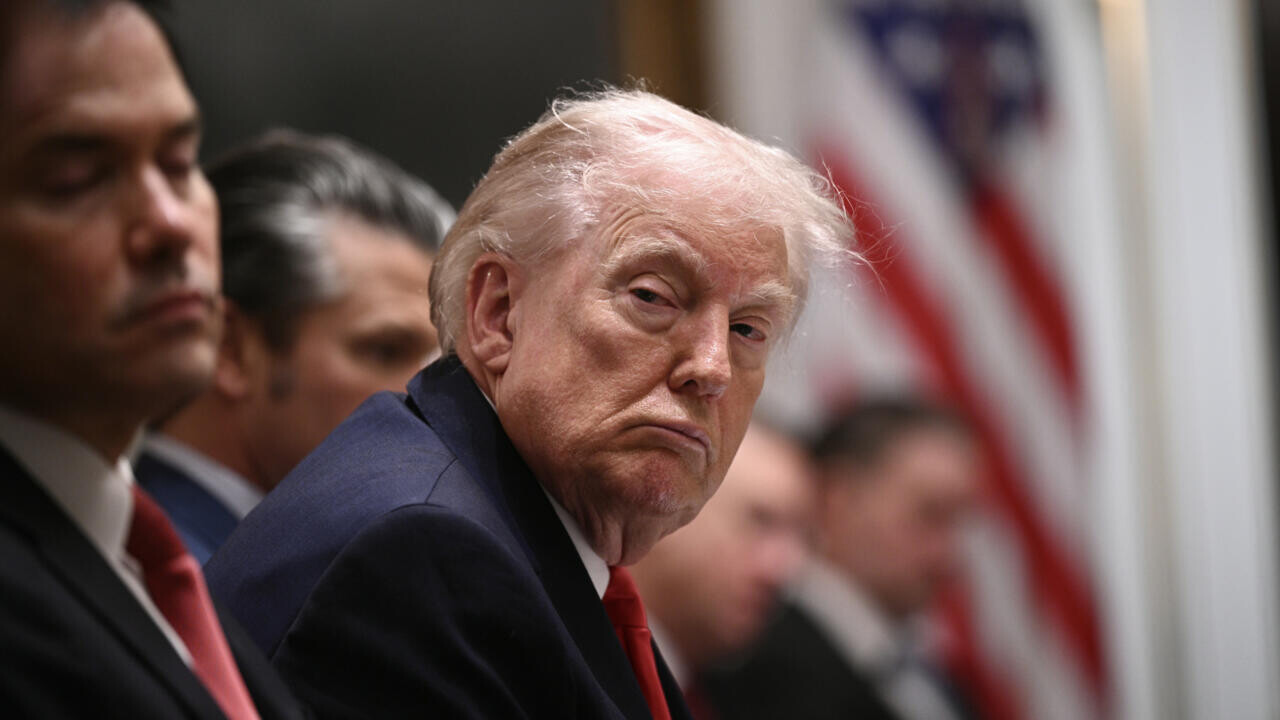
For decades, Cuba’s economy has felt the squeeze of its unique position in global geopolitics. On 29 January 2026, that squeeze tightened again when US President Donald Trump signed an executive order threatening to slap tariffs on any country that sells oil to Cuba, a move that’s stirring headlines from Havana to Mexico City and beyond.
This isn’t a minor policy shift. It’s a declaration of economic war by other means.
A national emergency, and a big stick
In the executive order, Trump described Cuba’s government as a “special threat” to US national security, a rationale that echoes longstanding US criticisms of Communist rule in Havana. Using the International Emergency Economic Powers Act, he authorised new tariffs on imported goods from nations that continue supplying oil to the island.
But here’s the catch: the order doesn’t list specific tariff rates or name which countries will be targeted. Instead, it gives US departments and ultimately the president, leeway to decide on a case-by-case basis.
On social media, reactions have been swift and sharp. Many users joke that the ambiguity makes the policy feel like a game of geopolitical roulette. Others worry it could revive Cold War–style tensions in the Americas.
Cuba’s energy crisis: context behind the headlines
Cuba depends almost entirely on imported oil. For decades, Venezuela was its lifeline, sending tens of thousands of barrels daily in a relationship rooted in political alliance as much as survival. But after US forces captured Venezuelan leader Nicolás Maduro in an operation earlier this month, that flow essentially stopped.
That left Cuba scrambling, with electricity outages, fuel shortages and economic strain now everyday realities. With Venezuela off the table, Mexico stepped in as a key supplier, shipping thousands of barrels per day to keep lights on and buses running.
Enter Trump’s new tariff threat. By warning countries off selling oil to Cuba under threat of US penalties it puts Mexico in an especially tight spot. Mexico’s president, Claudia Sheinbaum, has been careful to assert sovereignty, saying oil shipments are humanitarian in nature and not directed by the US.
But trading partners with deep ties to Washington don’t take such threats lightly, and posts on platforms like X and Reddit reflect growing frustration and uncertainty over the future of the region’s energy landscape.
A global ripple effect
This is more than a bilateral spat. Economists and diplomats around the world are watching because:
-
Tariffs could reshape trade flows, affecting energy markets and diplomatic alliances.
-
Smaller nations may have to choose sides balancing economic needs against political pressure.
-
The move revives memories of long-standing US embargo policies, which have defined Cuba’s external relations since the early 1960s.
In Havana, the reaction was predictably fiery. Cuban officials called the tariff threat a “brutal act of aggression”, accusing Washington of trying to squeeze the island’s economy into submission and undermine its sovereignty.
Meanwhile, analysts note that Cuba already has limited alternatives. With Venezuelan supply gone and Mexico wading carefully, Russia and a handful of smaller partners make up the rest of Cuba’s imports. But geographical distance and global politics make those options costly and uncertain.
What this means for ordinary people
For everyday Cubans, the stakes are tangible. Long lines for fuel, rotational power cuts and rising food prices have become part of daily life. Any further disruption to oil imports, whether through tariffs or diplomatic isolation, could worsen shortages that are already driving migration and social strain.
In Mexico, energy suppliers and political commentators are debating whether continuing shipments is worth the diplomatic friction with the US, a neighbour and trading heavyweight. Social media in Mexico reflects frustration, with many users urging leaders to defend national interests rather than yield to external pressure.
The wider geopolitical picture
Trump’s latest move also fits a broader pattern of using tariffs as strategic tools, not just for traditional trade disputes but to achieve political goals abroad. In recent years, the US has leaned more on tariffs and sanctions to influence everything from semiconductor supply chains to fossil fuel flows.
For Cuba, it’s a stark reminder that its economic fate, shaped by revolution, Cold War legacies and global power plays, is far from settled.
Trump’s threat to impose tariffs on oil suppliers to Cuba isn’t just about barrels and ports; it’s about power, influence and pressure. As global energy politics collide with local realities from Havana to Mexico City, ordinary people, not diplomats, may feel the deepest impact. And as social media buzzes with strong opinions and sharp analysis, one thing is clear: this story has a long way to run.