News
“Within a Year”: S&P Signals Possible Ratings Upgrade for South Africa on Reform Momentum
In a significant boost for the country’s economic narrative, S&P Global Ratings has indicated it could raise South Africa’s sovereign credit rating within the next 12 months. The agency, which recently upgraded the country’s foreign currency rating to BB and affirmed its local currency rating at BB+ with a positive outlook, now says it intends to resolve that outlook “broadly within a year,” placing South Africa just one crucial notch below investment grade.
The conditional optimism hinges on a clear set of demands: sustained fiscal discipline and an unbroken reform trajectory. “We could raise the ratings if fiscal imbalances reduce more significantly than we currently expect, supported by an improving track record of effective reforms,” said Ravi Bhatia, S&P’s lead analyst for South Africa.
The Foundation: Primary Surpluses and Reform Momentum
The agency points to tangible, albeit nascent, progress. South Africa is on track to post a primary budget surplus for the third consecutive year in 2025, a critical marker of improving fiscal health. This performance, S&P notes, should support a more stable debt trajectory.
Equally important is the accelerating pace of structural reforms, particularly under Phase 2 of Operation Vulindlela. The programme’s focus on overhauling local government, electricity, logistics, and the digital economy appears to be resonating with analysts. S&P’s November review specifically cited this reform momentum as a key factor in the positive outlook.
Green Shoots and Persistent Clouds
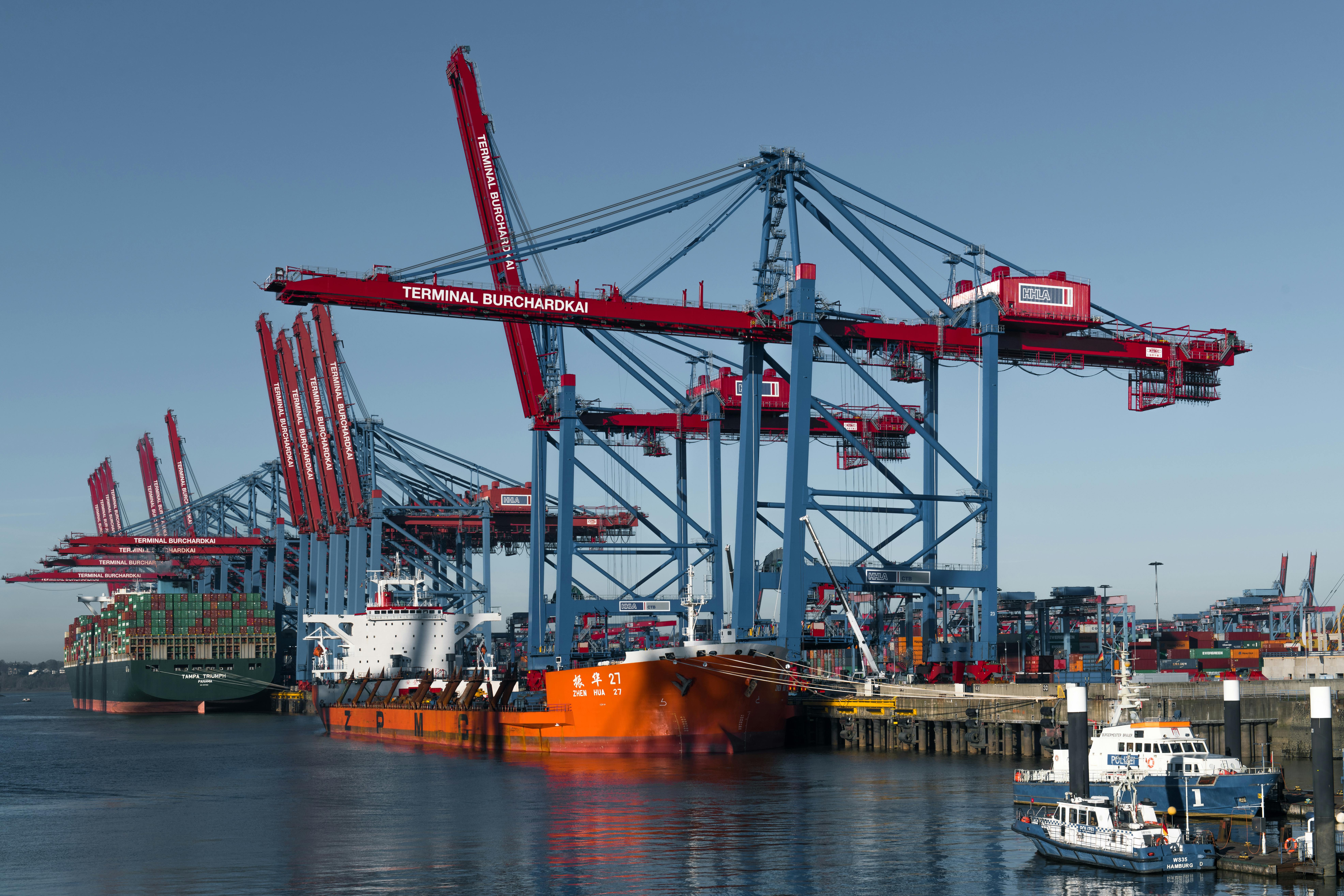
Evidence of turnaround is emerging in specific sectors. Transnet’s efforts to address rail constraints are bearing fruit, with Richards Bay Terminal reporting increased export volumes in 2025. The energy sector has seen a sharp reduction in load shedding as generation capacity stabilises, though high electricity costs remain a threat to heavy industries like mining.
Furthermore, South Africa’s removal from the FATF grey list has bolstered confidence in the country’s commitment to transparency and governance.
The Caveats: A Path Fraught with “Ifs”
While the direction is promising, economists caution that the upgrade is not a foregone conclusion. Nolan Wapenaar, co-CIO at Anchor Capital, notes that while an upgrade is a “reasonable expectation,” reaching investment grade remains “a stretch at this stage.” Credible evidence of declining, sustainable debt levels and more effective state-owned enterprises are prerequisites.
Annabel Bishop, Investec’s chief economist, suggests a potential upgrade could materialise by the second half of 2027, contingent on a drop in debt-to-GDP projections driven by higher revenue or lower expenditure. “The rating agency will… be looking for a drop in the debt to GDP projections,” she stated.
The Stakes: Confidence and Growth
For Professor Raymond Parsons of the North West University Business School, a potential upgrade would amplify the cumulative impact of recent positive developments. “Boosting investor confidence remains the key to higher job-rich growth,” he argues, emphasising that future ratings will remain “performance-driven.”
The message from S&P is both an opportunity and a challenge. South Africa stands on the cusp of a meaningful credit improvement, but the window is conditional. The next year will test whether the current reform momentum can solidify into irreversible change and deliver the fiscal discipline the countryand the ratings agenciesare watching for. The race to investment grade is on, but the track is steep.
{Source: IOL}
Follow Joburg ETC on Facebook, Twitter , TikTok and Instagram
For more News in Johannesburg, visit joburgetc.com