Business
South Africa’s economy posts its longest growth streak since 2018
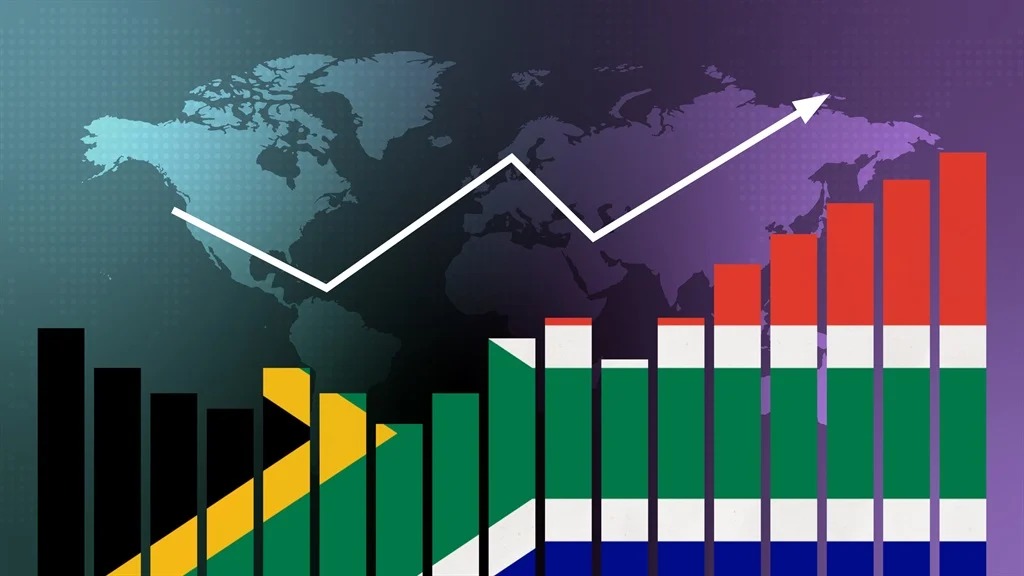
For the first time in a long while, there is a cautious sense of relief in South Africa’s economic conversation. After years of stop-start recoveries, power cuts, and missed targets, the Reserve Bank believes the country is finally experiencing something it has not seen since before the pandemic years. Steady growth that has not immediately fizzled out.
According to the South African Reserve Bank, the economy has now expanded for four consecutive quarters. If this momentum holds, it would mark the longest uninterrupted growth phase since 2018 and could signal the beginning of the end of what many economists have called South Africa’s lost decade.
Governor Lesetja Kganyago summed it up plainly. Growth looks steadier, and recent data suggest the economy continued expanding in the most recent quarter. For a country starved of good economic news, that statement alone has carried weight across boardrooms and social media feeds.
A recovery powered by households
The engine behind this recovery is not factories or exports just yet. It is households.
Consumer spending has surged by more than 3 percent year on year, far outpacing the overall economic growth of around 1.3 percent. This spending boom has been fuelled by a combination of lower inflation, easing interest rates, and early access to retirement savings under the new two-pot system.
For many South Africans, this money has gone straight into everyday survival. Groceries, school fees, medical costs, and delayed household repairs. On social media, the reaction has been mixed. Some celebrate the breathing room after years of financial strain, while others worry that dipping into retirement savings now simply shifts pain into the future.
The Reserve Bank shares that concern. Household spending driven by once-off or cyclical factors is fragile by nature. As inflation stabilises and retirement withdrawals slow, this boost to growth is expected to fade.
Why the good news still matters
Despite these risks, the Monetary Policy Committee has described the economy as being in the best shape it has been in for years. That matters because sentiment plays a powerful role in investment and planning.
There are also early signs that the economy is not relying on consumers alone. After contracting earlier in 2025, fixed investment has begun to recover. GDP data from the third quarter shows a modest rebound, an essential ingredient for long-term growth.
Without sustained investment in infrastructure, machinery, and productive capacity, South Africa cannot lift growth structurally. This small turnaround, while tentative, suggests the foundations may finally be stabilising.
The Reserve Bank’s forecasts point to growth edging closer to 2 percent over the medium term, with some upside risks if reforms continue to land.
Reform progress begins to show results
Behind the scenes, policy reform has quietly started to ease some of the country’s most stubborn constraints. Electricity supply and logistics inefficiencies have long strangled growth, but steady progress is being made.
Government efforts to open electricity and logistics to private participation are unlocking new investment and improving efficiency. More than 488 companies have registered to invest in renewable energy projects, representing almost 6,000 megawatts of potential new capacity.
In logistics, Transnet has signed a 25-year partnership with International Container Terminal Services to manage Durban Container Terminal Pier 2. Conditional approvals have also been granted to 11 private train operators across key freight routes and corridors.
Stanlib chief economist Kevin Lings has pointed to meaningful improvements in policy reform, including fiscal consolidation efforts by the National Treasury. These moves contributed to South Africa’s international credit rating upgrade by S&P and a revised inflation target centred at 3 percent.
The road ahead is still long
Economists remain clear-eyed about what comes next. These reforms take time to filter through the economy. Stanlib expects growth to improve only modestly to around 1.7 percent in 2026, up from an estimated 1.3 percent in 2025 and just 0.5 percent in 2024.
The bigger prize lies further out. If reforms are implemented consistently, growth above 3 percent over the next three to five years becomes achievable. That is the level needed to make a real dent in unemployment, lift living standards, and attract meaningful investment.
For now, South Africa is not booming. But it is no longer standing still. And after years of disappointment, that alone feels like a turning point worth paying attention to.
Follow Joburg ETC on Facebook, Twitter, TikT
For more News in Johannesburg, visit joburgetc.com
Source: Daily Investor
Featured Image: News24