News
Funding row erupts as Gauteng schools brace for major budget shock
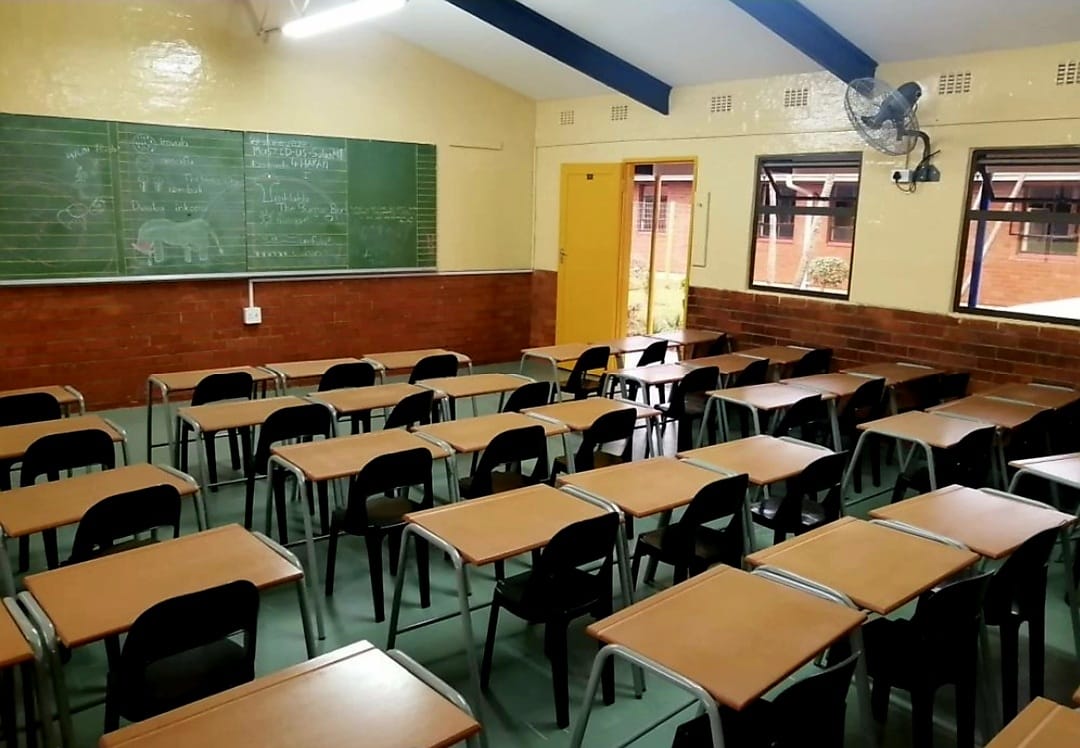
A budget change that’s hitting close to home
A simmering education funding dispute in Gauteng has erupted into a full-blown political fight, with government accused of masking deep cuts to some of the province’s best-resourced public schools.
From 1 April, more than 400 quintile 5 schools, often referred to as former Model C schools, are set to receive significantly less money for their day-to-day operations. While the Gauteng Department of Education (GDE) insists this is merely a “realignment” caused by national budget pressures, critics say the impact on schools and families will feel anything but technical.
What quintile 5 schools actually are
Quintile 5 schools fall into the top 20% of public schools based on the relative wealth of the communities they serve. These schools are typically located in areas with higher household incomes, lower unemployment and better literacy rates.
Because of this classification, they already receive less state funding than schools in poorer areas and are expected to rely more heavily on school fees. But the latest changes go further, shifting these schools directly down to the national minimum funding threshold.
‘A cut by any other name’
The DA has accused the provincial government of playing word games while quietly confirming reduced allocations in the legislature.
DA Gauteng shadow MEC for education Michael Waters says the numbers tell the real story. By comparing current quintile 5 allocations with the new minimum funding level, the party calculates a reduction of about 64%.
“They can dress it up however they want,” Waters said. “If a school gets less money in real terms, that’s a cut. And this one hits all at once.”
The DA has launched a public petition against the move, which has already gained traction among parents and school governing bodies anxious about looming budget gaps.
Why schools are worried
Operational budgets are not extras or luxuries. Schools use this money to pay for basics: electricity, water, cleaning staff, security, maintenance, libraries, laboratories and internet access.
According to the DA, some schools could lose between R600,000 and R800,000 a year. In Actonville alone, three primary schools are projected to lose a combined R2.2 million.
“That kind of shortfall means fewer teachers, scaled-back services, or higher costs pushed onto parents,” Waters warned. “There’s no painless way to absorb it.”
Government points to national pressure
The GDE says its hands are tied. According to the department, National Treasury reductions have left it with a R444 million shortfall this year and a projected R160 million gap over the medium term.
Education MEC Matome Chiloane has told the legislature that the changes are temporary and aligned with national norms. In the 2025/26 financial year, quintile 5 schools will be funded at quintile 4 levels, before dropping to the national minimum from 2026/27.
A bigger conversation about public education
Online, the debate has split parents and educators. Some argue wealthier schools should absorb more pressure to protect underfunded schools in poorer communities. Others warn that weakening functional public schools risks driving more families into the private system, deepening inequality rather than fixing it.
What’s clear is that this is no abstract policy debate. For thousands of learners, teachers and parents across Gauteng, the funding fight is about whether schools can keep the lights on, the gates secure and the classrooms properly staffed in the year ahead.
{Source: The Citizen}
Follow Joburg ETC on Facebook, Twitter , TikTok and Instagram
For more News in Johannesburg, visit joburgetc.com