News
Cuba’s fuel crisis deepens as US pressure tightens and Russia hits back
Havana’s crossroads: pressure and resilience
In Havana’s old town squares, the buzz is no longer about music and nightlife but about queues, blackouts, and tense conversations at home. Cuba’s economy is under acute strain as its most vital resource, oil, becomes the focal point of escalating international tension.
At the centre of the storm is a decision by US President Donald Trump to declare a national emergency and move towards tariffs on goods from countries that supply oil to Cuba. The move sharpens a decades-old embargo against the island, a policy that has shaped daily life in Cuba since the 1960s.
What triggered the squeeze
Cuba has long relied on imported oil to keep its electricity grid running, transport moving, and essential services functioning. For years, Venezuela played a key role in supplying fuel, but that lifeline has weakened as Venezuela’s own economic crisis, sanctions, and production challenges reduced its capacity to export oil.
As supplies tightened, Cuba began scrambling for alternative sources, placing renewed strain on an already fragile system. The latest US move has further complicated those efforts, sending a chill through international suppliers.
Blackouts and anxiety at home
Across Havana and other cities, the impact is immediate and visible. Rolling blackouts disrupt daily routines, while fuel shortages affect food production, healthcare, and transport. Residents have adapted by rationing electricity use and sharing tips online to cope with outages.
Social media reflects a mix of frustration, exhaustion, and resilience. Images of long queues and darkened neighbourhoods circulate alongside messages calling for calm and solidarity.
Moscow and Mexico weigh in
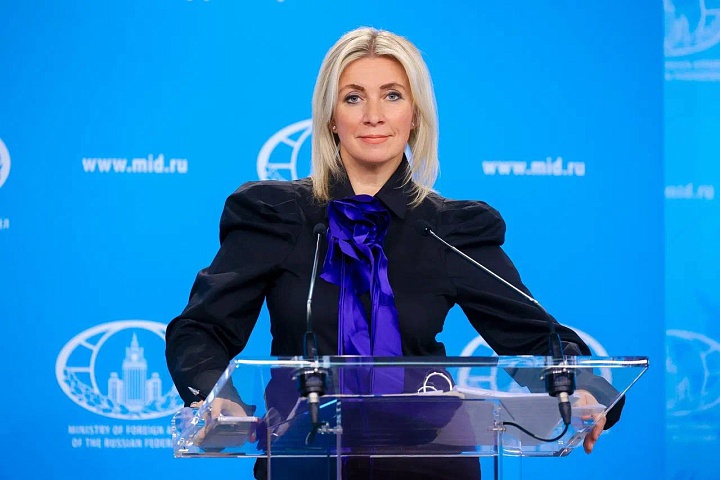
Global reactions have been swift. Russia condemned Washington’s move as illegitimate pressure on a sovereign state and reiterated its opposition to unilateral sanctions imposed outside international frameworks. Moscow expressed confidence that Cuba would overcome its current economic challenges, continuing a long history of diplomatic support.
Mexico struck a more humanitarian note. Its president warned that targeting oil suppliers to Cuba could trigger a humanitarian crisis, stressing the need for diplomatic solutions and international solidarity to prevent further suffering on the island.
A fragile path forward
As tensions escalated, Trump suggested that Cuba could collapse soon if pressure continues while also hinting that a deal remains possible. Cuban authorities, meanwhile, declared an international emergency, describing the US pressure campaign as an unusual and extraordinary threat.
For ordinary Cubans, the coming weeks are a test of endurance. Fuel shortages have become more than an economic issue, shaping daily survival and the island’s uncertain future. Whether international pressure leads to dialogue or deeper hardship remains to be seen, but the strain is already being felt on the streets of Havana.
Follow Joburg ETC on Facebook, Twitter, TikT
For more News in Johannesburg, visit joburgetc.com
Source: IOL
Featured Image: mid.ru