Courts & Legal
Ballistics testimony sharpens focus at Madlanga Commission hearings
A quieter witness, heavier consequences
By Monday morning in Pretoria, the mood at the Madlanga Commission had shifted. After days of tense exchanges and headline-grabbing moments, day 51 opened with a different kind of testimony. Forensic Analyst Captain Laurance Makgotle from the South African Police Service took the stand to present ballistics evidence, a technical turn in a probe that has steadily widened its reach.
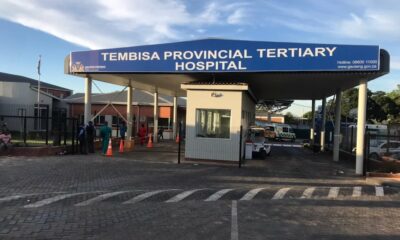
While ballistics analysis can feel clinical, its timing matters. It follows a week that saw senior police relationships and alleged failures placed under the microscope, especially around the Tembisa Hospital looting scandal that has haunted the public health sector since it was first exposed.
Why ballistics matters now
Makgotle’s evidence focuses on firearm and ammunition analysis, an area that can link weapons, incidents, and individuals with precision. In the context of this commission, it signals a move from testimony about relationships and conduct to the physical evidence that can either support or undermine previous claims.
For many watching, this shift suggests the commission is tightening its net. Technical findings may help corroborate earlier testimony or raise new questions about how investigations were handled within law enforcement structures.
The shadow of last week’s drama
The calm of a forensic briefing comes after an explosive stretch of hearings involving suspended KwaZulu-Natal Hawks head Lesetja Senona. Over several days, Senona faced intense questioning about his close relationship with controversial tender businessman Vusimuzi “Cat” Matlala.
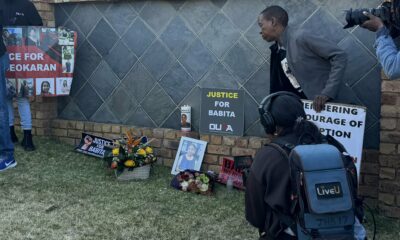
Matlala has been linked to the multi-billion rand Tembisa Hospital looting scandal, a case that carries deep emotional weight after the murder of whistleblower Babita Deokaran. Senona described his relationship with Matlala as brotherly while insisting he was unaware of investigations by the Hawks and the Special Investigating Unit into the businessman.
That explanation did not land well. Evidence leaders and commissioners pressed hard, and public reaction online reflected widespread scepticism. Many South Africans, already fatigued by corruption headlines, questioned how such close ties could exist without knowledge of serious allegations.
A weekend that raised the stakes
Tensions spilled beyond the hearing room on Saturday when Senona was forcibly removed from his Durban office by SAPS members. Several state-issued electronic devices were seized, an extraordinary development that underlined how quickly the situation has escalated.
This came just days after Cyril Ramaphosa received the commission’s three-month interim report. Submitted in mid-December, the report names 14 individuals allegedly implicated in wrongdoing, placing further pressure on the presidency to act.
A task team and unanswered questions
In response, Ramaphosa has instructed acting Police Minister Firoz Cachalia and National Police Commissioner Fanie Masemola to act decisively on the findings. A newly established special task team will now investigate five senior officers, including Senona, with the team reporting directly to Masemola.
Those named include Maj-Gen Richard Shibiri, Brigadiers Mbangwa Nkhwashu and Rachel Matjeng, suspended EMPD acting head Julius Mkhwanazi, and Sergeant Fannie Nkosi, who is accused of acting as a money collector for suspended deputy national commissioner Shadrack Sibiya.
Yet, for all this movement, some gaps remain. The suspended Police Minister Senzo Mchunu has not featured in the president’s directives so far, despite serious allegations raised before the commission. The presidency has said action will only follow once the commission completes its work, a position that has drawn mixed reactions from the public.
What to watch as hearings continue
As the Madlanga Commission moves deeper into evidence like ballistics, the focus is narrowing from who knew whom to what can be proven. For South Africans following the hearings closely, day 51 may not bring dramatic soundbites, but it could prove pivotal.
The combination of forensic detail, seized devices, and a high-level task team suggests the commission is entering a consequential phase. Whether that translates into accountability at the very top remains the question many are still asking.
Follow Joburg ETC on Facebook, Twitter, TikT
For more News in Johannesburg, visit joburgetc.com
Source: IOL
Featured Image: EWN