Courts & Legal
Zuma moves towards court battle after Khampepe shuts down recusal bid
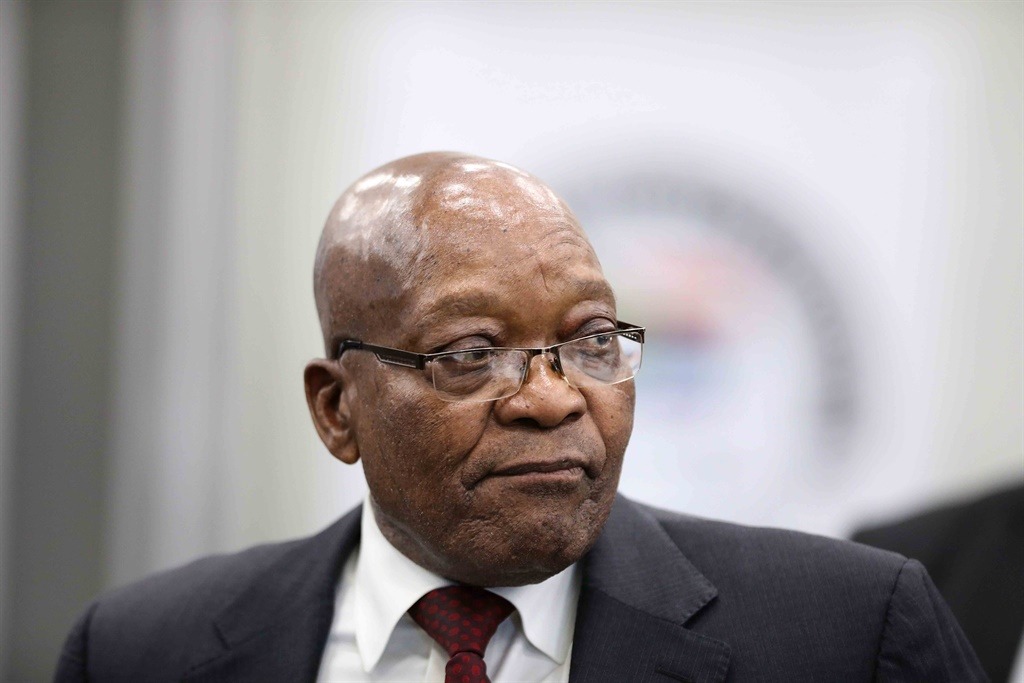
Former president Jacob Zuma is weighing his next legal move after a firm ruling by retired Justice Sisi Khampepe, who refused to step aside from chairing a sensitive commission of inquiry linked to unresolved apartheid-era crimes.
The decision has reignited political debate, with Zuma’s supporters crying foul and critics arguing that the country has waited long enough for accountability around Truth and Reconciliation Commission cases that never reached court.
Why the inquiry matters now
The judicial commission, appointed in 2024 by President Cyril Ramaphosa, is tasked with examining whether there were deliberate attempts to block the investigation or prosecution of serious crimes identified by the Truth and Reconciliation Commission. These cases have lingered for decades, becoming a symbol of unfinished business from South Africa’s transition to democracy.
For many South Africans, the inquiry is less about legal technicalities and more about whether the justice system can finally confront political interference that allegedly protected powerful figures after 1994.
Zuma and Mbeki challenge the chair
Zuma, alongside former president Thabo Mbeki, applied last month for Khampepe’s recusal. Their argument centred on her past roles, including her work on the TRC Amnesty Committee and her later position as Deputy National Director of Public Prosecutions.
According to their submissions, these roles created a conflict of interest that, in their view, disqualified her from leading the inquiry fairly.
Khampepe’s blunt response
Khampepe dismissed both applications, making it clear that the commission could not afford further delays. She stressed that the rule of law and proper administration of justice required the inquiry to proceed without interruption, adding that the public deserved answers after years of postponement.
Her ruling landed hard in a political climate already tense over accountability and historical wrongdoing.
Foundation signals possible appeal
Zuma’s foundation responded swiftly. Spokesperson Mzwanele Manyi said the ruling was being studied with legal advisers and described it as irrational. He confirmed that an appeal was likely, although no final decision has been announced.
On social media, reactions were sharply divided. Some users accused Zuma of attempting to stall the process yet again, while others argued that questioning judicial impartiality is a legitimate right, especially in a case with such high political stakes.
A familiar South African pattern
This moment fits into a broader pattern where major political inquiries become battlegrounds over process rather than substance. For ordinary South Africans, many of whom grew up hearing promises that apartheid crimes would be fully addressed, the frustration is palpable.
Whether Zuma proceeds with an appeal or not, the spotlight remains on the commission itself and its ability to deliver findings that restore confidence in a justice system still haunted by its past.
Follow Joburg ETC on Facebook, Twitter, TikT
For more News in Johannesburg, visit joburgetc.com
Source: The Citizen
Featured Image: News24