News
South Africa’s Israel stance puts Agoa trade benefits on shaky ground
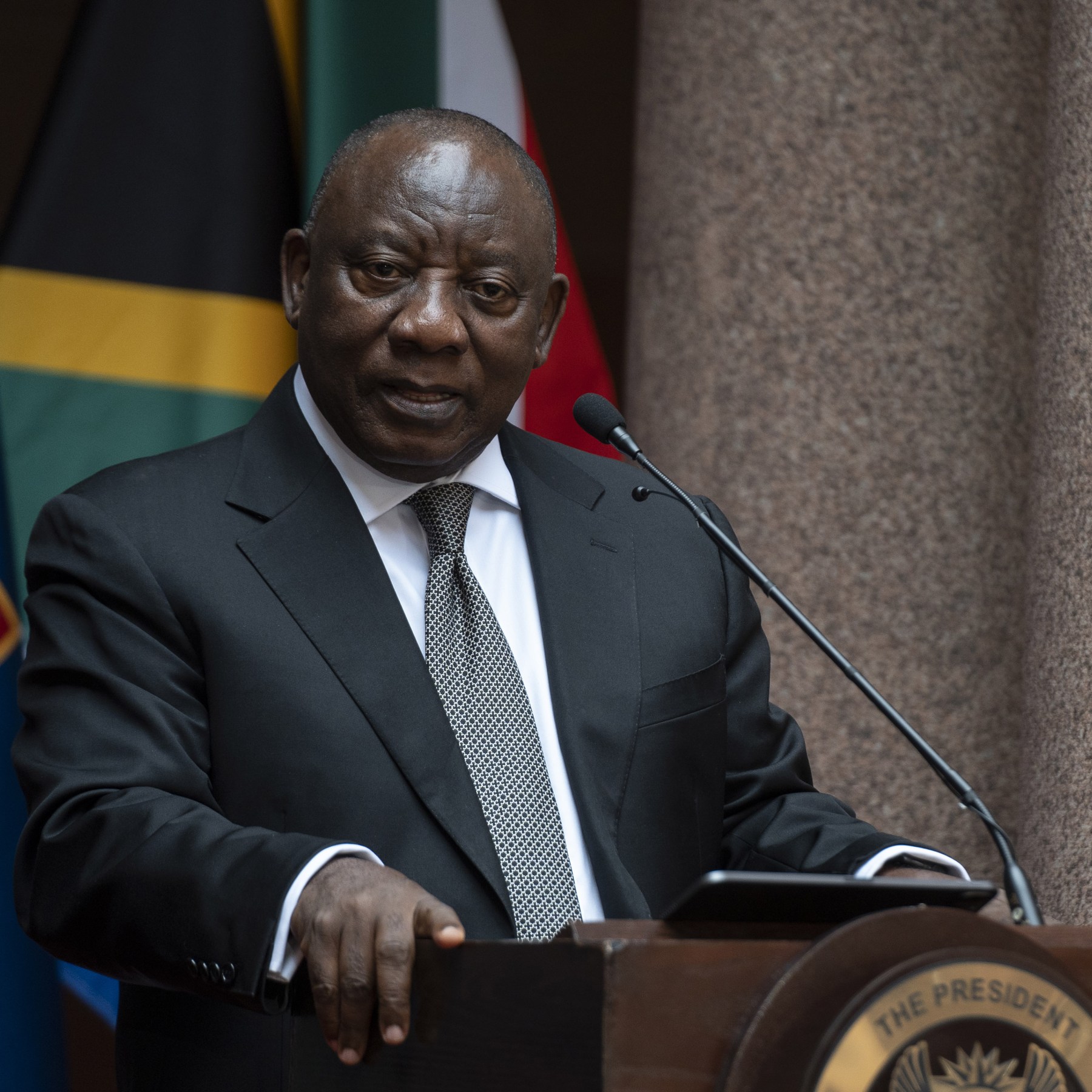
A diplomatic line in the sand and the cost of holding it
South Africa’s hardline stance against Israel has moved well beyond symbolic protest. What began as a moral and legal challenge at the International Court of Justice (ICJ) has now evolved into a high-stakes diplomatic test one that could carry real economic consequences for Pretoria, particularly its access to the African Growth and Opportunity Act (Agoa).
In recent days, tensions escalated sharply after South Africa declared Israel’s chargé d’affaires, Ariel Seidman, persona non grata and ordered him to leave the country within 72 hours. Israel responded in kind, expelling South Africa’s ambassador to Palestine, Shaun Edward Byneveldt, deepening an already fraught standoff.
While the rhetoric has been fiery, the real anxiety is being felt in Washington.
Washington watches, but avoids a clean break
Political analysts say the United States is unlikely to sever diplomatic ties with South Africa outright. Instead, the risk lies in selective punishment.
Independent analyst Sandile Swana believes the US could pursue targeted sanctions against individual political figures, particularly outspoken critics of Israel and the US including senior ANC members and opposition leaders such as EFF leader Julius Malema and figures linked to Jacob Zuma’s uMkhonto weSizwe party.
What the US is unlikely to do, Swana argues, is impose blanket sanctions on South Africa. Such a move would hurt broad sections of the population and risk destabilising a key regional partner.
However, Agoa exclusion remains firmly on the table, a move that would hit South African exports, jobs and investor confidence at a time when the economy is already under strain.
Protocol, expulsions and a legal tug-of-war
Another analyst, Goodenough Mashego, argues that the diplomatic breakdown is rooted in violations of international protocol. He claims Israel overstepped its mandate in South Africa by directly engaging local institutions and publicly insulting President Cyril Ramaphosa on social media.
Mashego also disputes Israel’s right to expel South Africa’s ambassador to Palestine, noting that Byneveldt is accredited to the Palestinian Authority in Ramallah, not to Israel. Under international law, he argues, Israel has no jurisdiction over an ambassador posted to another sovereign authority.
“For Israel to expel a foreign ambassador from a neighbouring sovereign nation is against international law,” Mashego said.
Trade anxiety meets moral resolve
Despite the diplomatic heat, Mashego insists South Africa’s relationship with the US remains intact, pointing out that Washington is proceeding with the appointment of a new ambassador to Pretoria.
Still, business leaders and trade analysts are uneasy. Agoa has long been a cornerstone of South Africa’s access to US markets, particularly for automotive exports and agriculture. Losing those benefits would be felt far beyond political circles.
On social media, South Africans are split. Some applaud the government’s refusal to back down, framing it as a continuation of the country’s historic anti-apartheid moral leadership. Others worry that principle without pragmatism could come at too high a cost.
A global test with local consequences
At its core, this is no longer just a South Africa–Israel dispute. It is a collision of international law, trade politics and moral positioning, with Pretoria daring powerful allies to choose between values and economic leverage.
Whether South Africa’s gamble strengthens its global standing or weakens its economic footing, may soon be decided not in The Hague or Pretoria, but in Washington’s corridors of power.
{Source: The Citizen}
Follow Joburg ETC on Facebook, Twitter , TikTok and Instagram
For more News in Johannesburg, visit joburgetc.com