News
South Africa’s name in the Epstein files, what it means, and what it doesn’t
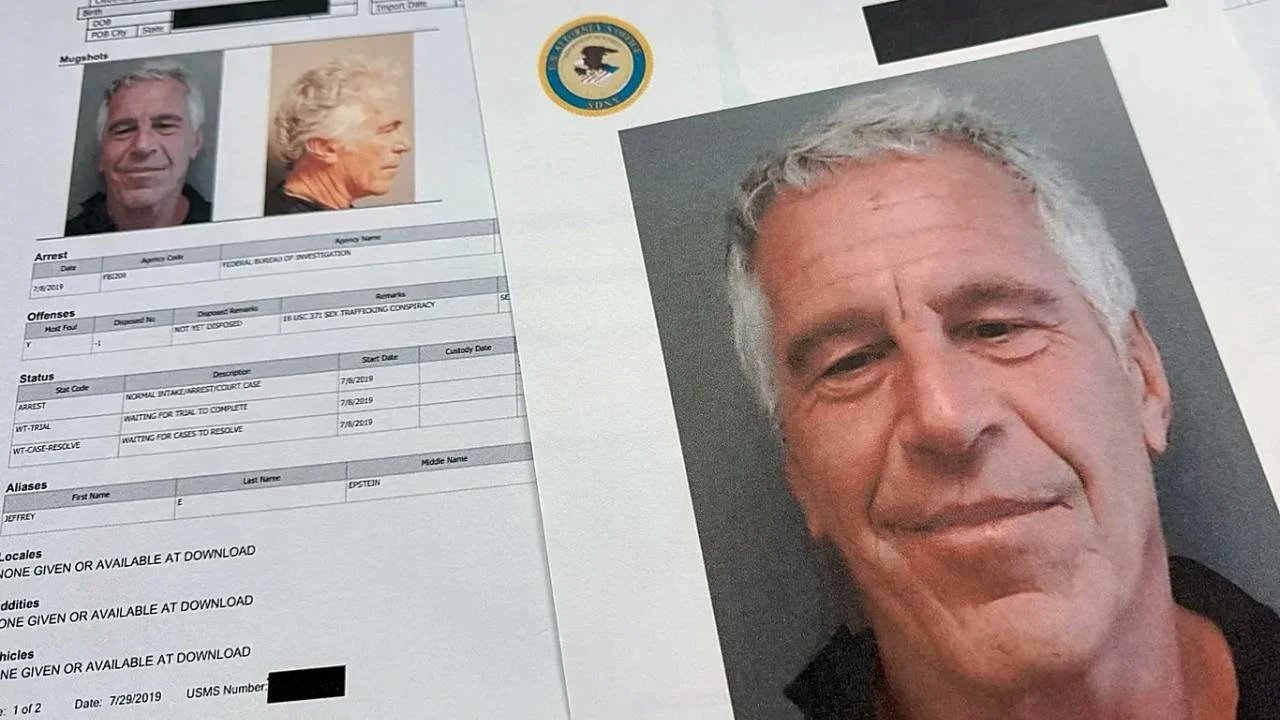
South Africa’s name in the Epstein files, what it means, and what it doesn’t
As newly unsealed US court documents linked to disgraced financier Jeffrey Epstein continue to ripple across global newsrooms, South Africans have found themselves asking an uncomfortable question: Why is South Africa mentioned at all?
In a week where social media timelines have been flooded with screenshots, half-context claims and conspiracy-laced threads, the reality is far less dramatic and far more procedural, than the headlines suggest.
Here’s what the documents actually show, how often South Africa appears, and why context matters.
How often does South Africa appear in the Epstein files?
Compared to other countries, South Africa’s presence in the Epstein-related documents is minimal.
Analysed tranches of the files show that countries like Ireland, the United States and the United Kingdom dominate the records. Ireland alone appears more than 1,600 times, largely due to legal filings, corporate registrations and correspondence linked to Epstein’s business interests.
By contrast, South Africa is mentioned only sporadically. There is no pattern of repeated communication, no sustained operational footprint, and no indication that the country played a central role in Epstein’s activities.
In short: South Africa shows up occasionally, not consistently.
Cyril Ramaphosa in the Epstein files.
Sarah Ransome, a South African victim of Esptein who suffers from severe mental health due to the abuse she endured, is hurling abuse at Ramaphosa in the email.
She moved from Joburg to New York at age 22 and was introduced to Epstein. pic.twitter.com/FiZYSia2sb
Sentletse 🇿🇦🇷🇺🇵🇸🇱🇧 (@Sentletse) January 31, 2026
Why does South Africa appear at all?
Reporting on the released excerpts points to three distinct, non-overlapping reasons none of which amount to allegations of criminal conduct within South Africa.
1. Travel and model scouting references
Some emails refer to travel to South Africa, including Cape Town, within the broader context of international model scouting and agency discussions. These types of references are common throughout Epstein-related records, given his documented involvement in elite social circles and modelling networks.
Crucially, the documents do not confirm activities, nor do they allege illegal conduct in South Africa. They reflect discussions and intentions, not proven actions.
2. A London dinner involving former president Jacob Zuma
South Africa also appears in emails arranging a private dinner in London in 2010 for then-president Jacob Zuma during an official overseas visit. The correspondence focuses on logistics and social planning and was written by individuals connected to Epstein’s wider social network.
No unlawful behaviour is described or implied. The Jacob Zuma Foundation has publicly dismissed any suggestion of wrongdoing, noting that being referenced in an email does not establish a relationship or culpability.
3. South Africans employed abroad
A smaller number of references relate to South African nationals who worked on Epstein’s private Caribbean island. These mentions are employment-related and historical, not investigative findings.
What these mentions do and do not mean
This is where nuance matters most.
A country appearing in court documents is not an accusation. The Epstein files contain diaries, travel discussions, guest lists, third-party emails and administrative records, many of them mundane, incomplete or tangential.
To date:
-
No South African institution has been implicated
-
No crimes have been linked to South African soil
-
No findings suggest local involvement in Epstein’s criminal conduct
The files reflect Epstein’s global social reach, not guilt by association for every name or place mentioned.
Why this matters in South Africa right now
In a country still grappling with misinformation fatigue and justified distrust of elites, it’s easy for partial truths to take on a life of their own. The Epstein revelations have become fertile ground for viral speculation often without legal or factual grounding.
For South Africans, the key takeaway is restraint: context before conclusion.
Being named in documents is not the same as being implicated. And in this case, the evidence so far points to limited, incidental references, not wrongdoing.
South Africa’s appearance in the Epstein files is rare, indirect and non-criminal based on the information currently available. The story isn’t about hidden links it’s about how easily global scandals can be misunderstood when stripped of context.
As more documents are examined, one principle remains essential: facts first, frenzy later.
{Source: IOL}
Follow Joburg ETC on Facebook, Twitter , TikTok and Instagram
For more News in Johannesburg, visit joburgetc.com