News
Malema says the wealthy should foot the bill for basic services
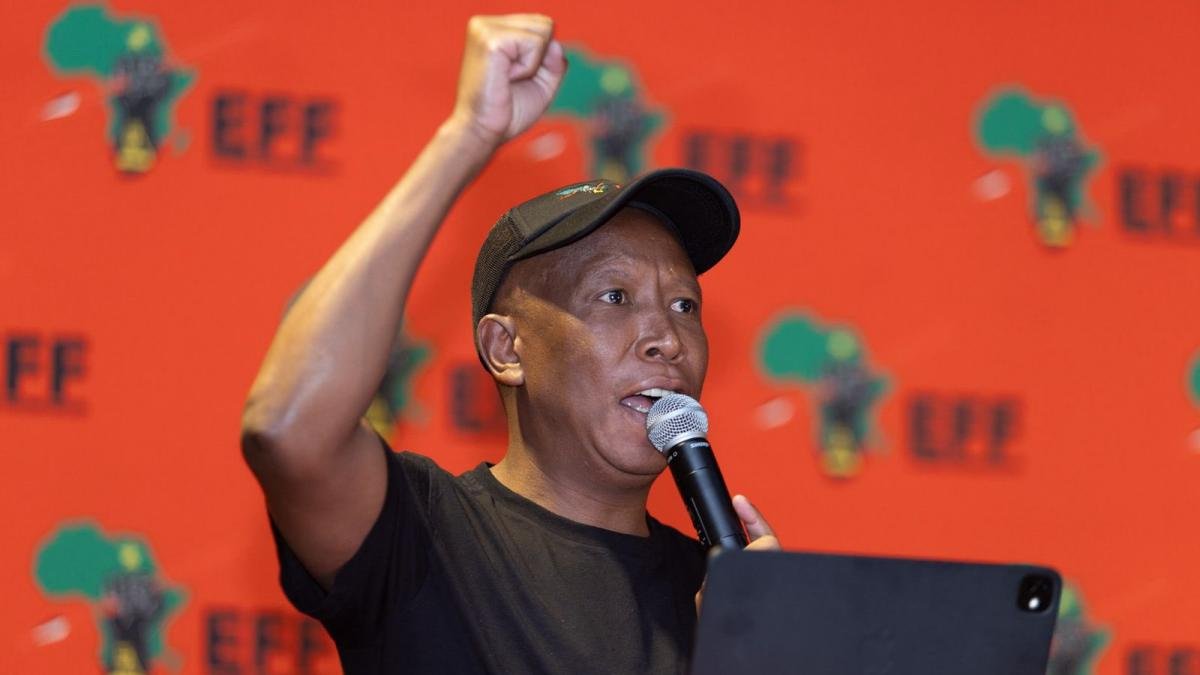
Malema says the wealthy should foot the bill for basic services
At a time when rising municipal bills are squeezing households across South Africa, EFF leader Julius Malema has reignited a long-running national debate: who should really be paying for water and electricity in a deeply unequal society?
Speaking to party delegates at the EFF’s second plenum in Boksburg, Malema argued that expecting poor households to pay monthly for essential services is unrealistic and unjust. His solution is blunt and unapologetic: wealthier South Africans should subsidise water and electricity for the poor.
@post.newspaper
♬ original sound – Post newspaper
“Monthly bills don’t work for the poor”
Malema framed basic services as a right, not a privilege. Drawing a comparison to public education, he pointed out that poor children are not charged school fees because the state recognises education as essential.
In his view, water and electricity should be treated the same way.
For families in townships and villages, he said, the idea of reliable monthly payments simply doesn’t match economic reality. High unemployment, informal work and unstable incomes mean municipal bills often compete with food, transport and school costs and usually lose.
Who pays? Malema points to wealth and power
Malema did not shy away from naming who he believes should carry the burden.
He described the “rich” as those who continue to benefit from South Africa’s unequal economic structure, including wealthy individuals, politicians and business leaders. He also explicitly linked wealth to race, arguing that apartheid-era exclusion allowed some South Africans to accumulate advantages that still shape the economy today.
From his perspective, higher tariffs for affluent households are not punishment, but repayment.
Apartheid’s long shadow over service delivery
Service delivery has always been political in South Africa. Under apartheid, access to water, electricity and infrastructure was deliberately skewed along racial lines. Townships and rural areas were underdeveloped, while white suburbs enjoyed reliable services.
Malema argued that today’s billing system ignores this history. Making the wealthy pay more, he said, is a way of addressing the benefits accrued during decades of exclusion not just a financial adjustment, but a moral one.
A cycle Malema says can be broken
In his address, Malema painted a longer-term vision: a society where subsidising the poor today helps create a future where fewer people need assistance tomorrow.
As more households escape poverty, he said, the burden on the wealthy would gradually ease, creating a broader base of contributors rather than permanent dependency.
Public reaction: applause, anger and old fault lines
Reaction online was predictably split. Supporters praised the proposal as overdue, saying water and electricity cut-offs punish the poorest while corruption and waste go unchecked. Critics accused Malema of stoking racial tension and ignoring the financial collapse of many municipalities.
What’s clear is that the issue touches a nerve, especially as load shedding, water outages and rising tariffs dominate everyday conversations.
Why this debate isn’t going away
With municipal infrastructure under strain and household budgets stretched thin, the question of who pays for basic services is becoming harder to dodge. Whether Malema’s proposal gains traction or not, it reflects a growing frustration with a system many feel no longer works for the majority.
For the EFF, Malema made it clear: this is not a side issue, but core political terrain and one they intend to keep fighting on.
{Source: IOL}
Follow Joburg ETC on Facebook, Twitter , TikTok and Instagram
For more News in Johannesburg, visit joburgetc.com