News
Trains Halted, Tensions High: Germany’s Major Transport Strike Grinds Cities to a Halt
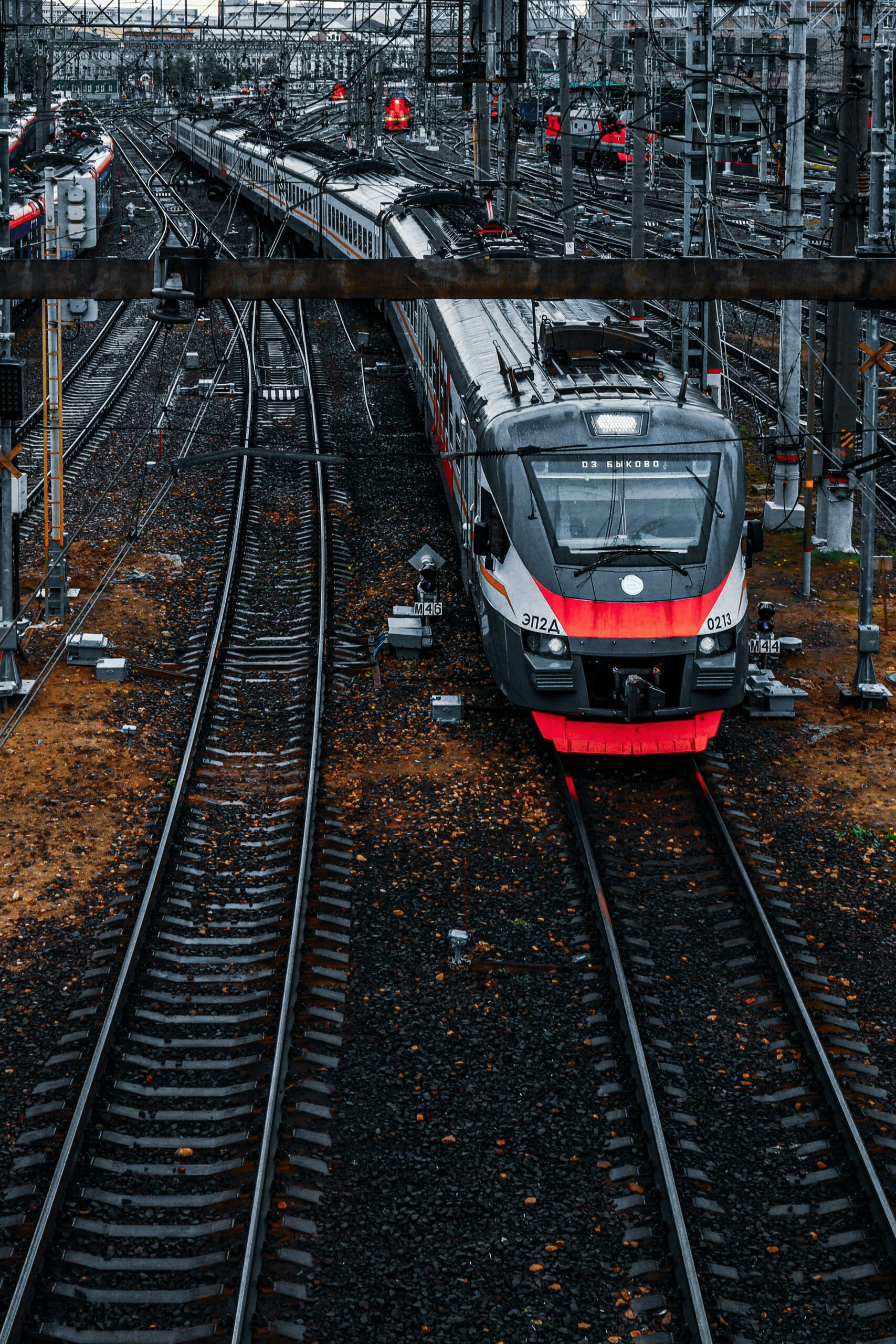
Commuter chaos has engulfed Germany as a massive public transport strike brings trains, trams, and buses to a standstill across major cities. The widespread labour action, a familiar scene in recent years, sees transport workers demanding better pay and reduced working hourscalls that clash sharply with the government’s austerity rhetoric amid a prolonged economic slump.
The strike hits an economy already on its back foot. Germany endured two years of recession in 2023 and 2024, followed by near-stagnation in 2025. Compounding the pressure, the Bundesbank recently warned the country is headed for its largest budget deficit since reunification, driven by increased military spending and support for Ukraine.
A Chancellor’s Critique Collides with Worker Grievances
The industrial action unfolds against a backdrop of pointed political commentary from Chancellor Friedrich Merz. The former BlackRock executive has repeatedly questioned the German work ethic, recently lamenting that “labour costs in our country are simply too high” and urging citizens to commit to “greater economic output… through more work.”
Last month, he scrutinized the average of “almost three weeks” of sick leave taken annually by employees. In August 2025, Merz declared the current welfare state unsustainable and acknowledged Germany was in a “structural crisis.”
A Clash of Visions for Germany’s Future
The strike, therefore, is more than a dispute over wages and hours; it’s a frontline in a larger battle over Germany’s economic future. Transport unions are fighting to protect worker livelihoods and conditions as the government signals a need for belt-tightening and increased productivity.
For millions of Germans, the immediate reality is disrupted commutes and halted routines. But the standoff symbolizes a deeper national dilemma: how to revive a stalled economic engine while fairly distributing the burden between public sector workers, taxpayers, and the state. As platforms remain empty and picket lines grow, the question hanging over Germany is whether this strike is a temporary stoppage or a sign of a more profound and painful economic recalibration ahead.
{Source: IOL}
Follow Joburg ETC on Facebook, Twitter , TikTok and Instagram
For more News in Johannesburg, visit joburgetc.com