News
The R190 Billion “Hidden” Retail Giant Outmaneuvering South Africa’s Big Chains
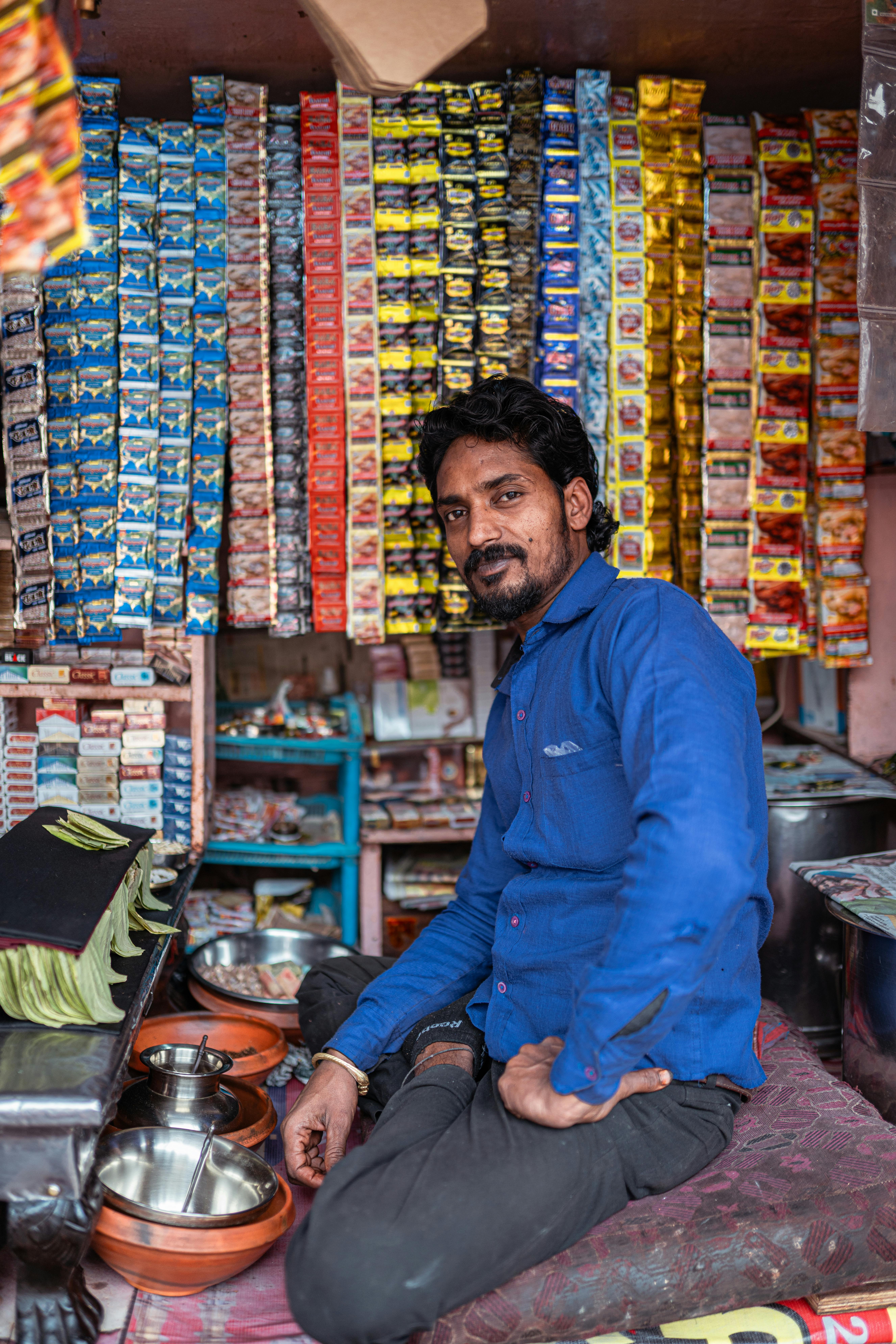
Move over, Shoprite and Pick n Pay. South Africa’s most formidable retail competitor isn’t a listed chain with glossy aislesit’s the collective, agile force of the informal economy, a sector with an estimated R190 billion in annual turnover that is rewriting the rules of retail through proximity, flexibility, and deep community trust.
This “hidden giant,” comprising spaza shops, township traders, and independent wholesalers, now accounts for nearly a third of the country’s fast-moving consumer goods (FMCG) market. According to Trade Intelligence, it reaches 11% of South African householdsmatching Clicks’ footprint and far exceeding Woolworths.
The Secret Weapon: Embeddedness, Not Scale
Annelene Dippenaar, Chief Business Officer at Shop2Shop, explains that the sector’s power lies in being woven into the fabric of daily life. “Traders understand exactly what their customers can afford and when,” she says. This insight drives everything: break-pack options (like selling three nappies, not a whole pack), single-unit sales, and inventory tied to weeklynot monthlypay cycles.
This model isn’t just convenient; it’s “life-changing” for households living hand-to-mouth. It also reduces waste and financial strain. While the formal sector shed 245,000 jobs in 2025, the informal sector added over 17,000, now supporting roughly 2.6 million jobs and contributing 5.2% to GDP.
Proximity, Trust, and Hyper-Local Supply Chains
The advantages are structural. Most spaza shops are within walking distance of homes, saving customers time and transport costs. Shop owners know their customers’ routines, enabling flexible credit based on social accountability, not contracts.
Critically, these traders source from independent local wholesalers, who often buy from manufacturers producing specifically for township markets. This shortens supply chains, cuts logistics costs, and keeps money circulating within communities, building internal value chains that large retailers can’t replicate.
What Big Retail Can’t Do (And What It Could Learn)
Dippenaar argues that big chains are constrained by systems designed for “uniformity and scale.” Their stock, pricing, and layouts are centrally governed, limiting responsiveness. In contrast, the decentralized informal economy pivots rapidly to supply disruptions and shifting demand.
The lesson for formal retail? Decentralize. Consider smaller, community-tailored outlets instead of relying solely on large, standardized stores. As Andrea Slabber of Trade Intelligence notes, independent wholesalers have already adapted, with 90% now offering single-item checkouts and competitive prices to attract everyday consumers, not just bulk buyers.
This isn’t a niche story. It’s a mainstream economic shift. The R190 billion informal giant is winning not with billion-rand marketing budgets, but with an intimate understanding of the pavement, the payday, and the person walking through the door. In South Africa’s toughest economy, that might be the only edge that matters.
Follow Joburg ETC on Facebook, Twitter , TikTok and Instagram
For more News in Johannesburg, visit joburgetc.com