Business
How a South African free Wi-Fi project surfaced in the Epstein files
A surprising name in a disturbing archive
When millions of pages linked to Jeffrey Epstein were released by the United States Department of Justice, few South Africans expected a homegrown free Wi-Fi project to surface among the emails.
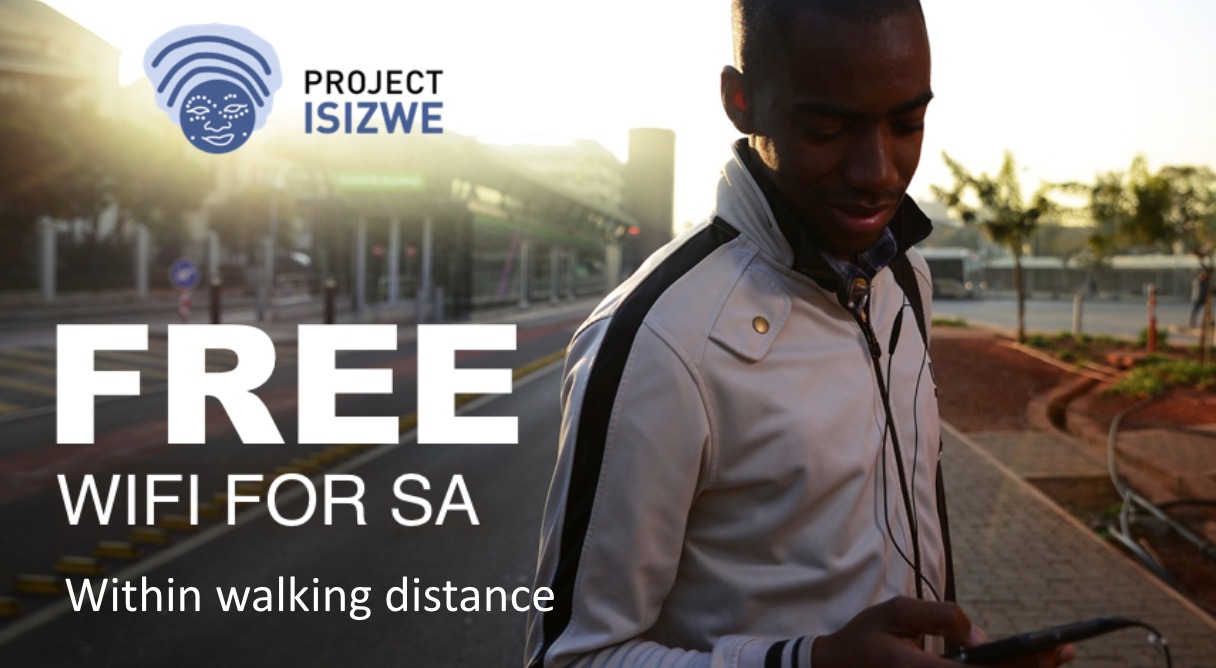
Yet buried in correspondence from 2014 is a reference to Project Isizwe, the non-profit initiative best known for rolling out free public internet in townships, schools, and informal settlements. The mention has raised eyebrows, not because of wrongdoing but because of how unexpectedly close a local digital access project appears in the same documents as one of the world’s most notorious criminals.
What the emails actually show
The emails in question date back to July 2014. Epstein wrote to a contact, whose name was later redacted, explaining that his assistant wanted to spend a week in Africa to assist with what he described as a foundation project. He asked for safe and important ideas for her visit.
One of the suggestions sent back was a South African free Wi-Fi initiative based in Stellenbosch. The project name was misspelt as Project Ishizwe, but the description made it clear which organisation was being referenced. The contact noted that the initiative worked on providing free internet access in informal areas and added that its founder was the son of Alan Knott-Craig Sr., a major figure in South Africa’s telecoms history.
A follow-up email, dated 22 July 2014, outlined a proposed itinerary for Epstein’s assistant, including travel through South Africa, Zimbabwe, Uganda, and Ghana. The South African leg included three days in Cape Town, with one day set aside to spend time with Project Isizwe and its founder.
According to the itinerary, the visit would involve observing technical development and discussing rollout plans with governments and telecoms across Southern Africa. It also stated that the assistant would have been hosted by Alan Knott-Craig Jr. on 12 August 2014.
A firm denial from the founder
When approached for comment, Knott-Craig Jr. expressed shock at seeing his name in the Epstein material at all. He said there was absolutely no link between himself or Project Isizwe and Epstein, adding that he had no recollection of hosting anyone associated with the financier.
He also pointed out that he was not the CEO of Project Isizwe at the time, suggesting the matter be referred to the organisation’s leadership then. While he briefly questioned whether another organisation could have used a similar name, available information indicates that there was no other Isizwe project in Stellenbosch with a founder named Alan Knott-Craig.
Crucially, there is no confirmation that the proposed trip or meeting ever took place. The emails reflect planning and suggestions only, not evidence of an actual visit or collaboration.
Project Isizwe’s bigger story
To understand why Project Isizwe would have been suggested in the first place, it helps to look at what the organisation represented in 2014. Founded in 2013 after an earlier failed attempt to launch free Wi-Fi in Stellenbosch, the project positioned itself as a bold response to South Africa’s digital divide.
Its most ambitious rollout came in Tshwane, where it partnered with the metropolitan municipality to blanket public spaces in Pretoria with free internet access. By 2016, the network reportedly included more than 900 internet zones, offering users up to 1GB of data per day at advertised speeds of 15Mbps.
For many residents, especially students and households without home broadband, the service was transformative. It became one of the most visible examples of how connectivity could be treated as a public good rather than a luxury.
From promise to problems
The Tshwane free Wi-Fi project later became controversial. Performance tests in 2017 showed speeds far below what had been promised, and political scrutiny followed. The Democratic Alliance raised concerns about the project’s costs, including a bill of hundreds of millions of rand and a high effective cost per hotspot.
The contract was eventually not renewed, and the city appointed a new provider. Although the free Wi-Fi network was relaunched in 2018, later testing suggested that much of the infrastructure had deteriorated. By 2024, several hotspots were no longer functioning.
Since losing the Tshwane contract, Project Isizwe has continued operating on a smaller scale, focusing on donor-funded connectivity for schools and underserved communities. According to its own reporting, the network now serves more than a million users across dozens of schools, classrooms, and communities.
Why this mention matters
The appearance of Project Isizwe in the Epstein files does not imply misconduct by the organisation or its founder. What it does reveal is how globally connected philanthropy, technology, and influence had become even a decade ago, and how easily local initiatives could be pulled into the orbit of powerful international figures without their knowledge.
On South African social media, reactions have ranged from confusion to concern, with many users stressing the importance of separating a documentary mention from any suggestion of wrongdoing. Others have pointed out how uncomfortable it is to see initiatives aimed at helping vulnerable communities mentioned alongside such a dark chapter of global history.
For now, the facts remain limited and clear. A proposed visit was discussed in emails. The founder denies any link. And there is no evidence that the meeting ever happened.
Still, the episode serves as a reminder that even well-intentioned projects can find themselves unexpectedly entangled in stories far bigger than themselves.
Follow Joburg ETC on Facebook, Twitter, TikT
For more News in Johannesburg, visit joburgetc.com
Source: MyBroadband
Featured Image: Wi-Fi NOW