News
Lights off, tempers flare: How Tshwane’s power cut at Nigeria’s High Commission sparked an online storm
When municipal billing meets diplomacy
What started as a routine municipal debt recovery exercise quickly turned into a cross-border social media storm.
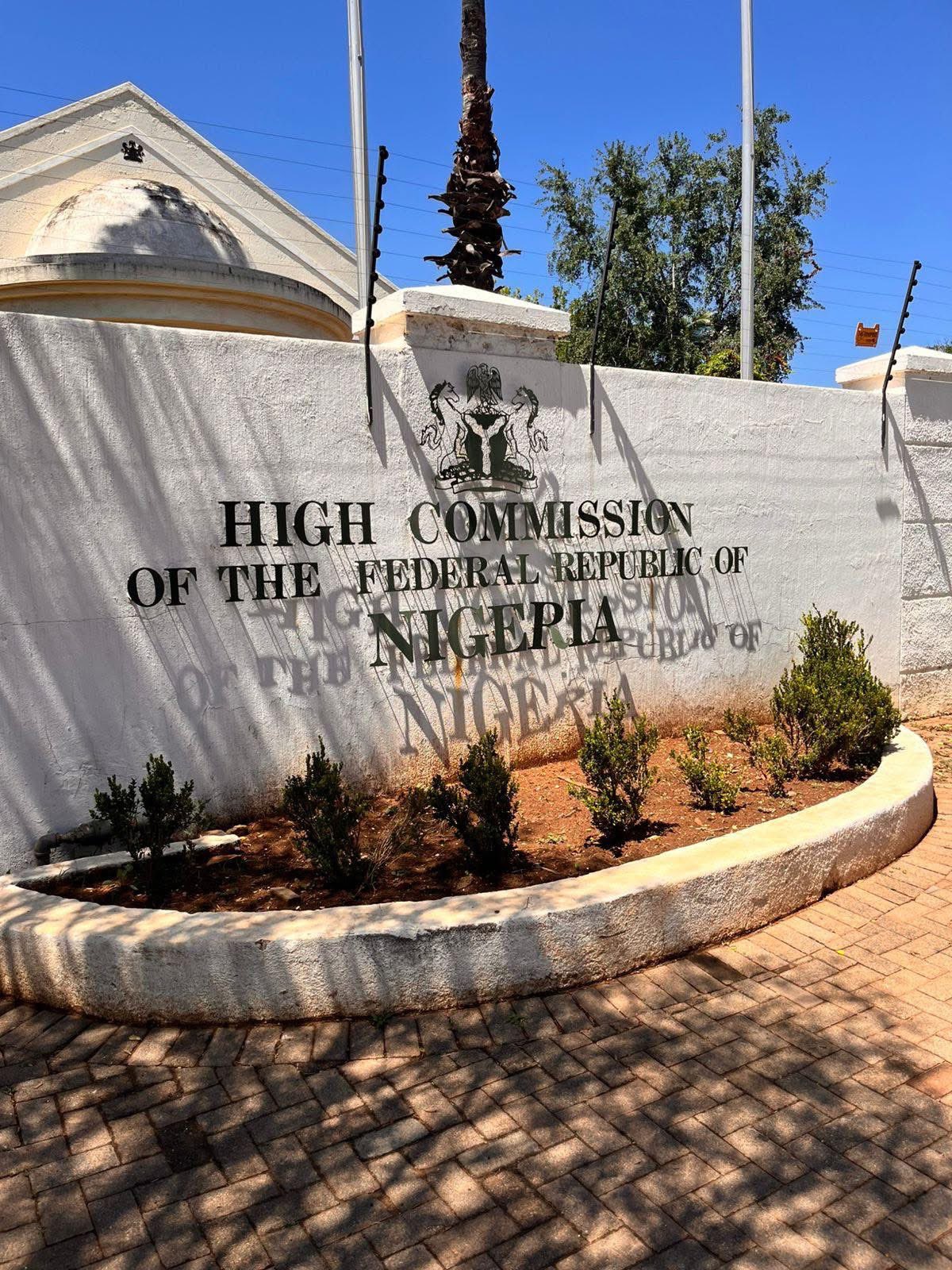
On Sunday afternoon, Tshwane mayor Nasiphi Moya announced on X that the City of Tshwane had cut electricity to the Nigerian High Commission in Pretoria due to unpaid utility bills. The post, shared with a photo of the diplomatic building and the hashtag #TshwaneYaTima, spread rapidly, clocking more than 1.8 million views within hours.
For many Nigerians watching from afar, it didn’t read like a billing update, it felt like a public call-out.
“This didn’t need to be online”
The backlash was swift and emotional. Nigerian users on X accused the mayor of humiliating their country by airing the dispute publicly rather than handling it through diplomatic or administrative channels.
One user, Akeem, suggested the post was more about chasing attention than enforcing policy, arguing that Nigeria was being used as a shortcut to trending status. Others echoed the sentiment, questioning why the mayor felt the need to announce both the disconnection and the payment online.
“Why thank us after dragging us online already?” wrote Olori Oluseun, capturing a frustration that appeared again and again across comment threads.
Power restored, but questions remain
Just over two hours after the initial post, Moya returned to X with an update: the High Commission had settled its outstanding account, and electricity would be restored. The City of Tshwane was tagged in the follow-up message.
Instead of calming the situation, the announcement added fuel to the fire. Some users doubted whether payment had actually been made, with calls for proof and accusations that the situation had been glossed over to save face.
One sceptical user demanded to see a receipt. Another brushed it off with humour, suggesting the High Commission had simply asked for more time a comment that reflected both cynicism and cultural shorthand familiar to many West Africans online.
A deeper nerve touched
Beyond the jokes and jabs, the incident touched a sensitive nerve. Nigeria, Africa’s most populous country, often sees itself and is seen by its citizens, as a continental heavyweight. For some, the public nature of the disconnection felt like a slight not just against a building, but against national pride.
“Where is our honour?” one user asked, framing the issue less as a billing dispute and more as a question of respect between African states.
We thank the High Commission of the Federal Republic of Nigeria for honouring its debt to the city. The city will reconnect electricity . @CityTshwane https://t.co/h9J54J2ue4
Dr Nasiphi Moya (@nasiphim) February 2, 2026
Part of a bigger Tshwane push
From the city’s perspective, the move fits into a broader campaign. In recent weeks, Mayor Moya has used social media to highlight electricity disconnections across Tshwane, including those affecting South African government departments, as the metro ramps up efforts to recover unpaid municipal revenue.
The message has been consistent: no one is exempt.
What’s different this time is the setting. A diplomatic mission brings international optics, protocol and sensitivities into play and social media, as ever, amplifies everything.
When transparency collides with tone
The episode has reignited debate about how far transparency should go in the age of instant posting. While some South Africans applauded the mayor’s tough stance on debt, others quietly questioned whether diplomacy demands a softer touch, even when the bills aren’t paid.
For now, the lights are back on at the Nigerian High Commission. But the digital aftershocks remain, a reminder that in today’s politics, how you say something can matter just as much as what you do.
{Source: IOL}
Follow Joburg ETC on Facebook, Twitter , TikTok and Instagram
For more News in Johannesburg, visit joburgetc.com