A hospital with history and growing heartbreak
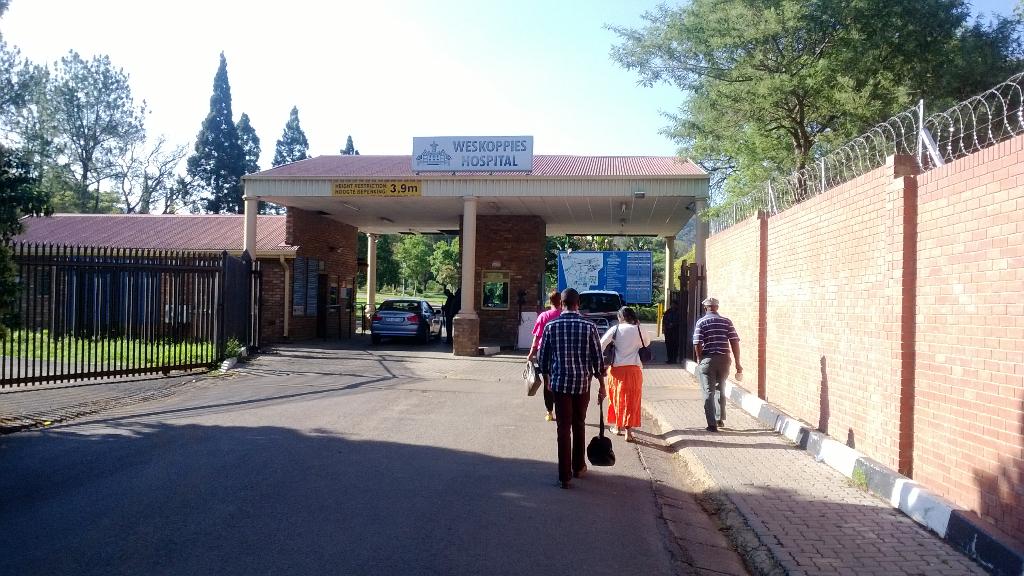
Weskoppies Psychiatric Hospital is not just another state facility. Sitting quietly in Pretoria, it has cared for South Africans with severe mental health conditions for more than a century. Built on the old Pretoria Botanical Gardens, the sprawling institution once symbolised order, routine and specialised care.
Today, staff say it has become a daily test of survival, for patients and nurses alike.
Over the past few years, Weskoppies has increasingly been hit by electricity and water disruptions, linked to municipal disputes, cable theft and an infrastructure network older than most of the people working there. What should be a place of healing, staff allege, is slipping into crisis.
“We work in darkness and fear”
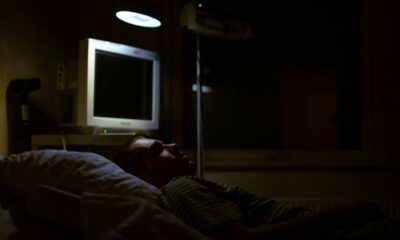
Several nurses describe long stretches without power, sometimes lasting weeks in certain wards. When lights go out, they say, there is no smooth backup, just cellphone torches and anxiety.
“These are psychiatric patients, some unpredictable,” one nurse explained. “We walk through dark corridors, scared for our lives.”
Without electricity, basics fall apart: heating fails in winter, meals are delayed, patients bathe in cold water and already vulnerable individuals become more distressed. While hospital management has previously assured the public that contingency plans exist, frontline workers insist the reality on the ground is far harsher.
Solar panels, generators and unanswered questions
In an effort to reduce reliance on municipal electricity, solar panels were installed across wards. Staff, however, claim the panels have never worked.
“They cost millions and are useless,” one employee alleged, questioning whether the project was ever meant to function.
The Gauteng Department of Health disputes some of this, confirming the hospital has five backup generators, two of which are fully operational and maintained on site. Emergency lighting, gas lamps and rechargeable solar lights are also used during outages. Still, officials admit the hospital has experienced at least nine power failures linked to aging cabling and external disruptions like cable theft.
Neglect beyond the walls
Electricity isn’t the only concern. Staff also point to water interruptions, overgrown grounds and what they describe as a breakdown in daily management.
Weeds and grass reportedly grow unchecked, giving parts of the hospital an abandoned look. Although gardeners are employed, workers claim maintenance is inconsistent and outside contractors are often brought in to patch gaps.
Long-serving staff speak with sadness and nostalgia about how the hospital once ran with discipline and pride. “There was order,” one employee said. “Now wards can be filthy, and patients lose their dignity.”
Food shortages and fragile patients
Perhaps most troubling are claims around nutrition. Nurses allege frequent shortages and poorly balanced meals, despite patients being on medication that requires proper diets.
“Tinned fish and rice for weeks,” one nurse said. “Sometimes no vegetables, no fruit, even no sugar for tea in winter.”
The Department of Health insists meals comply with the provincial generic menu and are adapted for therapeutic needs. It says patients receive three meals daily, snacks and specialised diets when prescribed even during equipment failures.
Officials respond, staff remain unconvinced
Health officials acknowledge Weskoppies faces serious constraints. The 130-year-old infrastructure, staffing shortages, including 19 vacant posts and the size of the 149-hectare property all complicate maintenance. Seasonal overgrowth and budget limits add pressure.
Plans are in place, the department says, to replace outdated electrical cabling and upgrade generators in the 2026/27 financial cycle.
But for staff on the ground, those plans feel far away.
“We stay because the patients need us”
Despite fear, frustration and exhaustion, many nurses say they remain because of the patients.
“We love them,” one nurse said through tears. “That’s why we are still here.”
Weskoppies’ story is no longer just about a hospital, it reflects a wider struggle in South Africa’s public mental healthcare system, where history, neglect and resilience collide. And until the lights stay on consistently, staff warn, the cost will continue to be paid by those least able to speak for themselves.