News
Jacob Zuma and Thales face ruling on delayed arms deal corruption trial
Zuma and Thales on edge as court prepares to rule
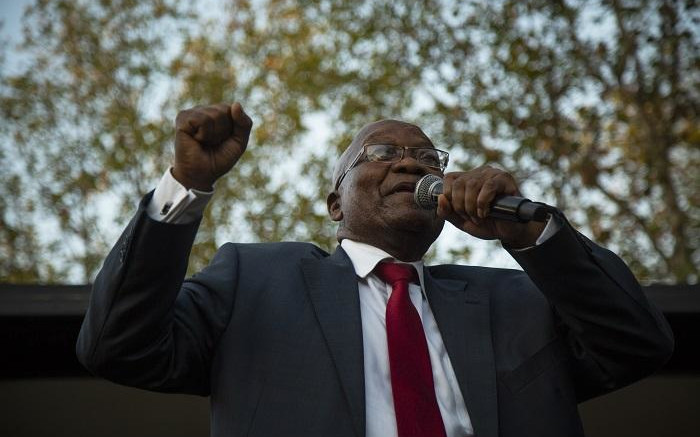
After years of legal wrangling, former president Jacob Zuma and French arms company Thales will finally discover whether their long-delayed arms deal corruption trial will move forward. The case, tied to a controversial multibillion-rand arms procurement in the late 1990s, has been marked by repeated postponements and high-profile legal maneuvering.
The Pietermaritzburg High Court is expected to hand down judgment on Wednesday regarding their latest application to appeal the dismissal of efforts to have the charges dropped.
Attempt to dismiss charges
Zuma, now 81, and Thales argued that the trial should be thrown out due to unreasonable delays that allegedly led to the deaths of key witnesses, including Thales representatives Alain Thétard and Pierre Moynot.
During court proceedings, Thales’ attorney Cameron Dunstan-Smith stated the company had pleaded not guilty in May 2021 and highlighted that the case had been postponed 16 times through no fault of its own. Advocate Barry Roux, representing Thales, said officials who could have testified are now deceased, leaving the company unable to present its defence.
Zuma’s legal team, led by Advocate Naba Buthelezi, echoed this point, arguing that the state “no longer has a winnable case” due to the loss of crucial witnesses.
State pushes back
The National Prosecuting Authority countered, insisting that Zuma’s reliance on the deaths of Thétard and Moynot is insufficient to quash the prosecution. Authorities emphasized that Zuma was allegedly directly involved in the corrupt dealings at the heart of the arms procurement, and this central involvement undermines his claims.
A case mired in delays
The arms deal trial has been officially trial-ready for three years, but Zuma has repeatedly delayed proceedings. His legal strategy, often referred to as the Stalingrad approach, included attempts to remove the arms deal prosecutor Billy Downer, tactics which have pushed back the trial date again and again.
The charges against Zuma and Thales are extensive, including fraud, corruption, money laundering, and racketeering. The state alleges that Zuma, while serving as vice president, benefited from a corrupt arrangement maintained by his former financial advisor, Schabir Shaik, who reportedly leveraged Zuma’s political influence to further his own business interests.
Public and political reaction
The arms deal saga has remained a lightning rod for public debate in South Africa. Many commentators view the drawn-out legal process as a symbol of elite impunity and legal obfuscation, while others argue that the courts must respect procedural fairness, even in high-profile cases. Social media discussions have been ablaze, with citizens expressing frustration over delays and highlighting the broader implications for corruption accountability in the country.
As the court prepares to deliver its judgment, attention will turn not only to Zuma and Thales but also to the broader question: can South Africa finally see closure on one of its most notorious corruption cases?
“This case has dragged on for decades, and South Africans deserve to know whether justice will be served,” one political analyst commented.
The Pietermaritzburg High Court’s ruling could set the tone for the next chapter of this landmark trial, which continues to capture both national and international attention.
{Source: The Citizen}
Follow Joburg ETC on Facebook, Twitter , TikTok and Instagram
For more News in Johannesburg, visit joburgetc.com