
News
South Sudan army retakes Motot in Jonglei as renewed fighting forces thousands to flee
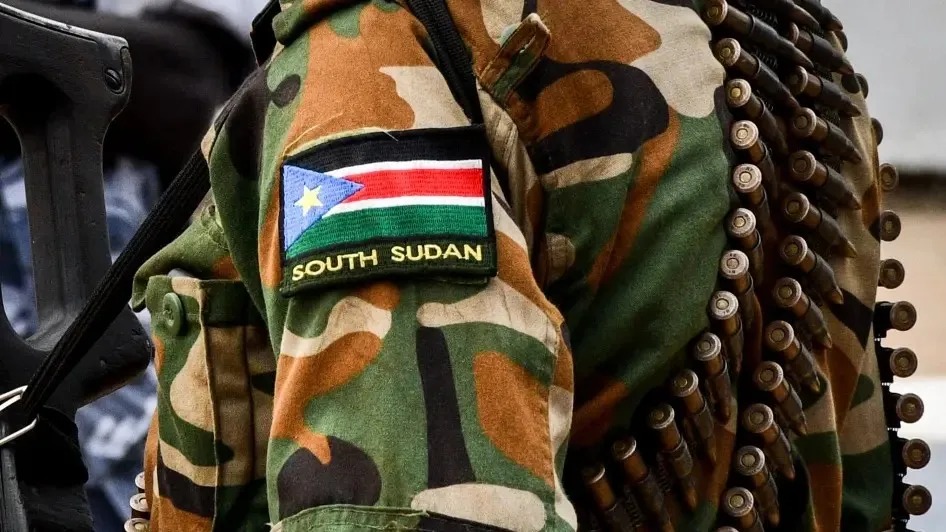
South Sudan army retakes Motot as fighting intensifies in Jonglei
For communities in Jonglei, the name Motot has become shorthand for just how quickly control on the ground can shift. This week, South Sudan’s army announced it had wrested the town back from opposition forces, marking another flashpoint in a conflict that has once again pushed civilians into survival mode.
The South Sudan People’s Defence Forces confirmed that government troops had taken control of Motot after clashes with fighters from the Sudan People’s Liberation Army in Opposition. According to the military, five opposition fighters were killed during the battle, and weapons, including rocket launchers, mortars and ammunition, were seized as troops moved in.
A strategic town under pressure
Motot sits in Jonglei State, a region long scarred by conflict, intercommunal violence, and fragile peace deals. Its capture is being framed by the army as part of a broader effort to secure areas that have recently fallen into opposition hands, especially as tensions rise over threats by opposition groups to advance towards Juba.
Military spokesperson Lul Ruai Koang said senior commanders have been physically visiting retaken areas such as Yuai and Motot, both to monitor operations and to lift the morale of soldiers deployed in difficult conditions. For the army, these visits are meant to signal control and confidence at a time when the security situation remains volatile.
The human cost behind the headlines
Away from the battlefield, the consequences are being felt most sharply by civilians. Since late December 2025, renewed fighting and airstrikes across Jonglei have forced an estimated 260,000 people from their homes. Entire families have fled with little more than what they can carry, often sleeping in the open or under makeshift shelters.
Humanitarian agencies report that many displaced people are relying on already stretched host communities. Access to food, healthcare, and basic protection remains limited, especially in rural areas where aid deliveries are difficult and insecurity is ongoing.
Fear, fatigue, and a familiar pattern
On social media and in local conversations, there is a sense of weary frustration. For many South Sudanese, announcements of towns being captured or recaptured feel painfully familiar. Each military gain seems to come with another wave of displacement, another disruption to fragile livelihoods, and another delay to lasting peace.
Jonglei’s history helps explain why developments there carry so much weight. The state has repeatedly been at the centre of political and ethnic tensions since South Sudan gained independence, making any escalation a source of national anxiety.
What comes next for Jonglei?
While the army’s recapture of Motot may shift the immediate balance of power, it does little to ease the humanitarian emergency unfolding across the state. For residents, stability is measured less by military statements and more by whether they can return home safely, plant crops, and send children to school without fear.
As operations continue and leaders trade claims of control, the reality on the ground remains stark. Jonglei’s people are once again caught between armed forces, waiting for a peace that feels permanently just out of reach.
Follow Joburg ETC on Facebook, Twitter, TikT
For more News in Johannesburg, visit joburgetc.com
Source: IOL
Featured Image: Sudans Post


