Business
Another national disaster deepens South Africa’s water crisis
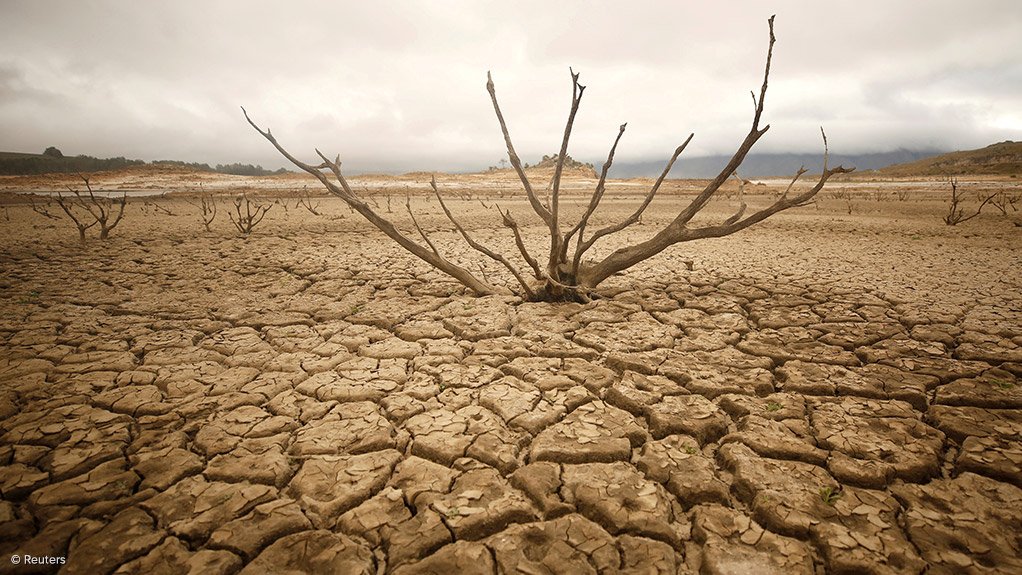
South Africa has quietly crossed another worrying line. While many residents are still dealing with burst pipes, empty taps, and water tank deliveries, the national government has now formally classified a new national disaster focused on drought conditions and the risk to the water supply.
The classification was made by the Department of Cooperative Governance and Traditional Affairs through the National Disaster Management Centre. It follows detailed reports showing that parts of the country face a growing threat to reliable water provision, not just from the weather but from the systems meant to deliver it.
Why this disaster was flagged now
The decision was taken after assessments showed that drought conditions could interrupt large-scale water provision in several provinces. The Eastern Cape, Western Cape, and Northern Cape are the main areas of concern. These regions have already been warning residents about dangerously low dam levels and the possibility of so-called day zero scenarios.
Day zero is no longer an abstract term. It refers to the moment when water can no longer be supplied through normal systems, and taps run dry. For many communities, especially smaller towns, that risk has been edging closer for months.
Although parts of South Africa experienced decent rainfall recently, especially in the east, meteorologists have confirmed that the La Niña weather pattern has ended. Its hotter and drier counterpart, El Niño, is expected to take hold. Historically, El Niño periods bring higher temperatures and reduced rainfall, placing even more pressure on dams and rivers.
What “classified disaster” actually means
This classification does not introduce emergency powers or new laws. Instead, it shifts coordination responsibility to national government structures. The National Executive now takes the lead in managing the response, ensuring that existing disaster plans, water restrictions, and contingency measures are properly enforced and supported.
Government departments, municipalities, and state entities are required to strengthen their current systems. There is also a strong call for cooperation from the private sector, communities, and households. Water conservation, on both the supply and demand side, is now critical.
Municipal councils are expected to tighten and enforce water restrictions where needed. Residents are being urged to reduce usage and comply fully, even in areas that are not yet experiencing outages.
Water problems go beyond the weather
While drought is a key trigger, South Africa’s water crisis runs deeper. Infrastructure failure and poor municipal management continue to undermine supply, even in areas not affected by drought.
In Gauteng, major metros are battling severe water outages linked to ageing pipes, pump failures, and neglected maintenance. These disruptions are not part of the national disaster classification, but for the hundreds of thousands affected, the impact feels just as serious.
On social media, frustration is mounting. Residents are questioning how much of the crisis can truly be blamed on climate patterns when leaking pipes and slow repairs remain a daily reality.
A country used to living with disasters
This latest classification adds to a growing list. Earlier this year, severe flooding led to a national disaster classification after storms caused deaths, destroyed homes, and displaced communities across multiple provinces. Schools closed, farms were damaged, and even major tourism sites were forced to shut their gates.
In late 2025, South Africa also declared a national disaster in response to gender-based violence following sustained public pressure and a nationwide shutdown led by civil society groups.
Each of these moments highlights the difference between a disaster being classified and one being formally declared. Classification allows the government to coordinate across provinces when existing systems can still function. A declared state of disaster only follows when those systems are no longer enough.
What this moment signals
This water-focused disaster is less dramatic than floods or storms, but its long-term impact could be just as severe. Water underpins everything from health and schooling to food security and economic stability.
For many South Africans, the announcement simply confirms what daily life already shows. The taps are not as reliable as they should be, and the margin for error is shrinking. As hotter and drier conditions loom, the real test will be whether coordination, maintenance, and conservation finally move from policy to practice.
Follow Joburg ETC on Facebook, Twitter, TikT
For more News in Johannesburg, visit joburgetc.com
Source: Business Tech
Featured Image: Polity.org.za