News
Inside South Africa’s New Mafia: The Hidden War On Our Natural Heritage
South Africa is fighting a new kind of mafia. It is not the kind you see in movies, nor the one linked to big-city money laundering or political corruption. This one operates in the shadows of our coastline and deserts, quietly stripping away species that many South Africans barely notice until they are gone.
This warning comes from CapeNature senior manager Pierre de Villiers, who says a booming biodiversity black market is turning the Western Cape into a hunting ground for organised crime.
A Quiet Underworld Growing Louder
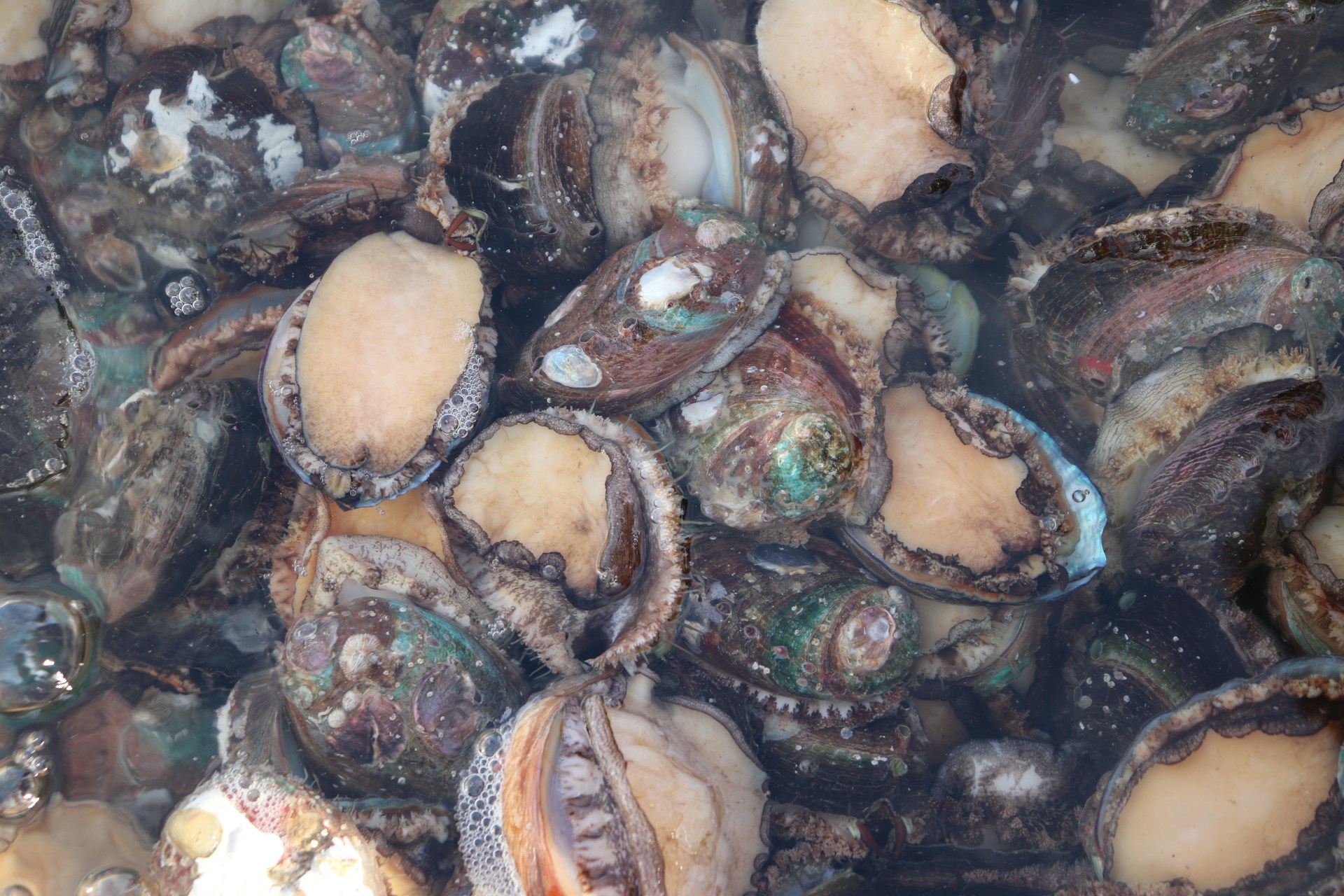
According to de Villiers, criminal syndicates have shifted from traditional wildlife trafficking to a far broader business model. Today, these groups target everything from abalone and West Coast rock lobster to sharks, reptiles and even tiny succulents in the Karoo.
“Biodiversity crime is no longer a side-story,” he explains. “It is becoming a central, coordinated criminal industry.”
These syndicates operate like a modern mafia, with scouts, divers, middlemen and export networks that stretch across continents. And while CapeNature is usually associated with nature reserves and ecotourism, the organisation now finds itself on the frontlines of an environmental war.
Abalone: A Status Symbol Feeding a Global Appetite
In coastal communities, abalone poaching has been a crisis for years. But de Villiers says demand is only rising, especially in East Asian markets where serving abalone is linked to wealth and cultural prestige.
If you can offer abalone at your dinner table, you have made it. That is the sentiment driving the industry, and it has turned South Africa’s oceans into a playground for illegal divers operating at night, often under gang control.
Lobster Trade Thriving In The Shadows
The West Coast rock lobster, once a Sunday braai favourite, is now another target. Syndicates catch undersized lobster, tear off the tails and sell them into a thriving local market.
It is quick money for criminals but devastating for sustainability, leaving communities that rely on inshore fishing increasingly vulnerable.
Sharks: The Offshore Battle Few See
Sharks are also heavily targeted, especially for their fins. While the meat is sometimes used, it is the fins that fetch high prices abroad, driving longline operations further offshore where enforcement is harder.
The distance makes policing difficult. The damage is enormous.
The Most Surprising Target: Tiny Succulents Worth More Than Rhino Horn
One of the biggest shocks for de Villiers has been the rise in succulent trafficking.
Plants like conophytums, often smaller than a fingernail, are now worth more than rhino horn on the global collector’s market.
You could walk right past them without noticing, yet they are being stripped from the veld at an alarming rate. International collectors treat them like rare artwork, driving up prices and pushing some species toward extinction.
Even cut flowers have entered the illegal trade, with unchecked harvesting threatening fragile ecosystems across the Western Cape and Karoo.
Cape Town’s Role In A Global Trafficking Network
Even though the Western Cape is not known for rhinos or elephants, it still plays a central role in the broader trafficking chain. poached animals from inland provinces are often shipped out through Cape Town Harbour or flown out via Cape Town International Airport.
Smaller species like tortoises, chameleons and reptiles are also being targeted for the international pet market.
Why The Problem Is Getting Worse
According to de Villiers, South Africa’s weakened intelligence capacity is a major factor. Budget cuts mean authorities are often reacting too late.
When species become rare, they become more valuable. That is the tragedy. Demand grows as numbers decline.
The Fight Back: Joint Operations And A Race Against Time
Despite the scale of the problem, there are wins. CapeNature works with SAPS, fisheries officials, municipal law enforcement and the SANDF through Operation Pakisa in the Overberg.
It is a model that works. Integrated planning and strong leadership have led to significant busts. But success, de Villiers says, is not measured in arrests.
“We measure success by whether the species stay alive in the water or in the ground,” he explains.
Because once a species disappears from the veld, no amount of policing can bring it back.
A Crisis South Africans Can No Longer Ignore
The rise of these mafia-style syndicates is more than a crime issue. It is a cultural one. Wildlife is tied to the Western Cape’s identity, tourism economy and the daily life of fishing communities.
As de Villiers puts it, the danger is real. And unless enforcement improves and communities become more involved in protecting their natural heritage, South Africa risks losing species that have existed long before the country did.
This new mafia is not just coming for money. It is coming for our biodiversity, our identity and our future.
{Source:Business Tech}
Follow Joburg ETC on Facebook, Twitter , TikTok and Instagram
For more News in Johannesburg, visit joburgetc.com