News
The Digital Tax Shift: How SARS’ New E-Invoicing System Will Reshape South African Business
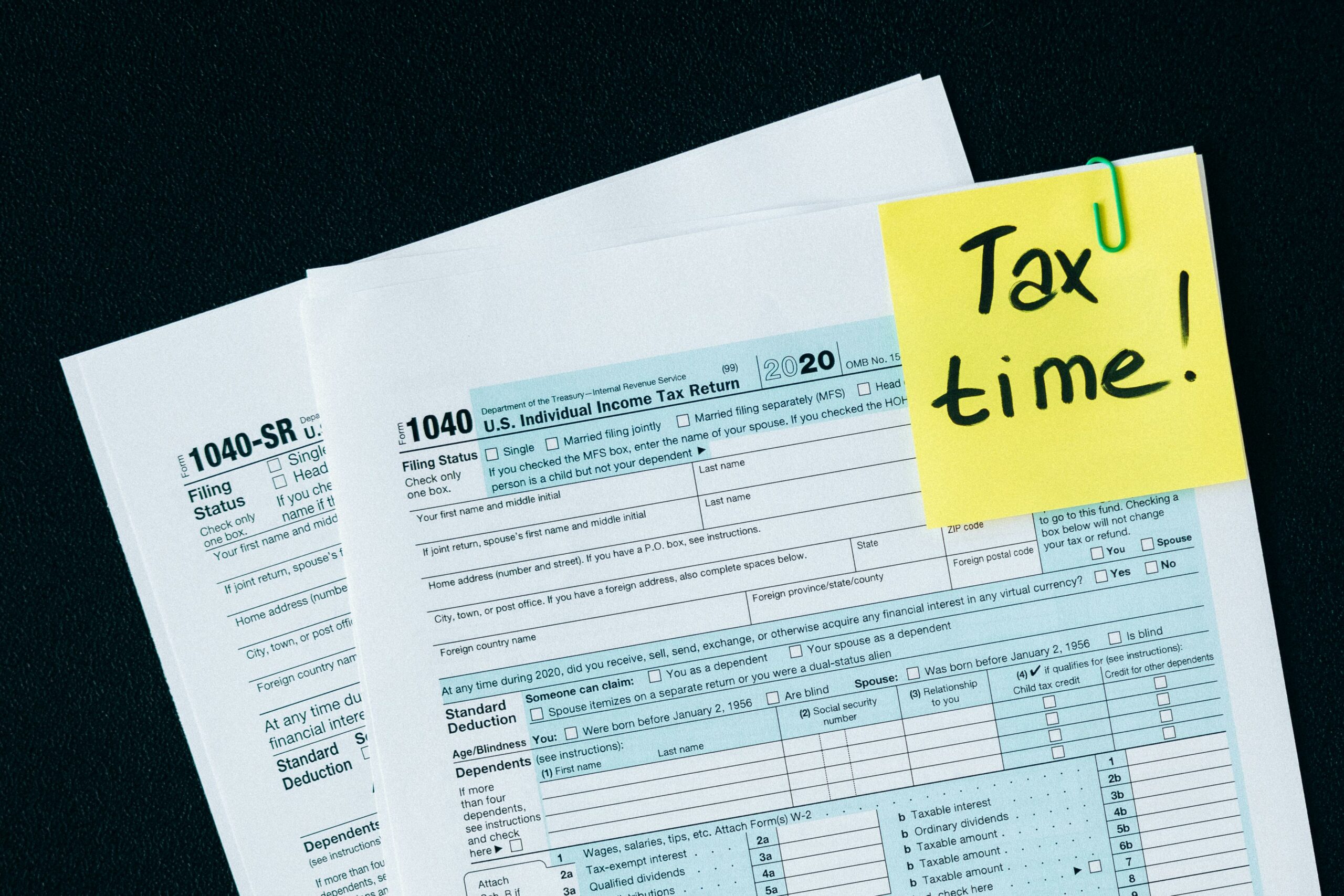
Get ready, South African businesses. The way you handle VAT is set for its biggest transformation in decades. The South African Revenue Service (SARS) is quietly steering a monumental change: a full-scale VAT e-invoicing framework. This isn’t just a technical tweak. It’s a fundamental shift from periodic reporting to near real-time transparency, and it will redefine the relationship between vendors and the taxman.
Forget the old cycle of filing returns every couple of months. Imagine a system where your accounting software automatically shares structured invoice data with SARS the moment you issue or receive one. That’s the future on the horizon, with a phased rollout starting this year and full implementation targeted for 2028.
Why the Sudden Push for Digital?
Simply put, SARS believes the current system is too opaque. Since VAT’s introduction in 1991, the process has relied heavily on self-assessment. While eFiling digitised the submission process, SARS still has limited real-time insight into the actual transactions flowing through the economy. This “visibility gap,” as noted in their own discussion documents, leads to revenue leaks, costly and frequent audits, and frustrating delays in legitimate refunds.
“We are lagging behind,” SARS admits, pointing to countries like Italy, Brazil, and others where real-time digital reporting is already the norm. The goal is to close that gap, protecting the fiscus and, in theory, creating a fairer environment for compliant businesses.
The Two Sides of the Compliance Coin
According to Keitumetse Sesana of the South African Institute of Taxation (SAIT), this modernisation is a double-edged sword for vendors.
On the bright side, compliant businesses stand to gain significant efficiency. “Compliance will become embedded in daily operations,” Sesana explains. The promise is of faster refunds, fewer disruptive audit requests, and a smoother overall experienceprovided your systems can talk seamlessly to SARS’ platform.
But the flip side is unprecedented visibility for SARS. The tax authority will have a dashboard view of economic activity, drawing data directly from bank feeds, accounting software, and point-of-sale systems. Discrepancies could be flagged almost immediately, long before you sit down to compile a return. The era of “catching up” on your books is ending.
What This Means on the Ground
Practically, this move will demand investment and adaptation. The changes will require new legislation, compelling certain businesses to transmit VAT data digitally. Software developers and providers are already being consulted on data models and transmission protocols.
For the corner cafe, the mid-size manufacturer, or the large corporation, the message is clear: digital readiness is no longer optional. Invoices will need to be generated in a specific, structured digital format. VAT numbers will be verified in real time. Your daily bookkeeping will directly feed the national tax engine.
A Cultural Shift in Tax Compliance
Beyond the technology, this represents a cultural shift. Trust, but verify, is becoming “see and verify instantly.” The consultation process is open, with SARS seeking input from the public and industry bodies. This is the time for businesses to engage, understand the proposed data requirements, and start planning.
The path to 2028 may be phased, but the direction is set. South Africa’s VAT system is going digital, bringing both the burden of constant compliance and the potential reward of a more streamlined relationship with SARS. The businesses that start preparing their systems and processes now will be the ones for whom this shift feels less like an audit and more like an upgrade.
Follow Joburg ETC on Facebook, Twitter , TikTok and Instagram
For more News in Johannesburg, visit joburgetc.com