News
The R30 Divide: Hope for Workers, Fear for Jobs as Minimum Wage Rises
For the first time in South Africa’s history, the national minimum wage has breached the R30 mark. From March 1, 2026, the floor will be set at R30.23 per hour, a R1.44 increase from the current R28.79. While celebrated by unions as a milestone for worker dignity, employers are sounding the alarm, warning that this well-intentioned hike could deepen the country’s profound unemployment crisis.
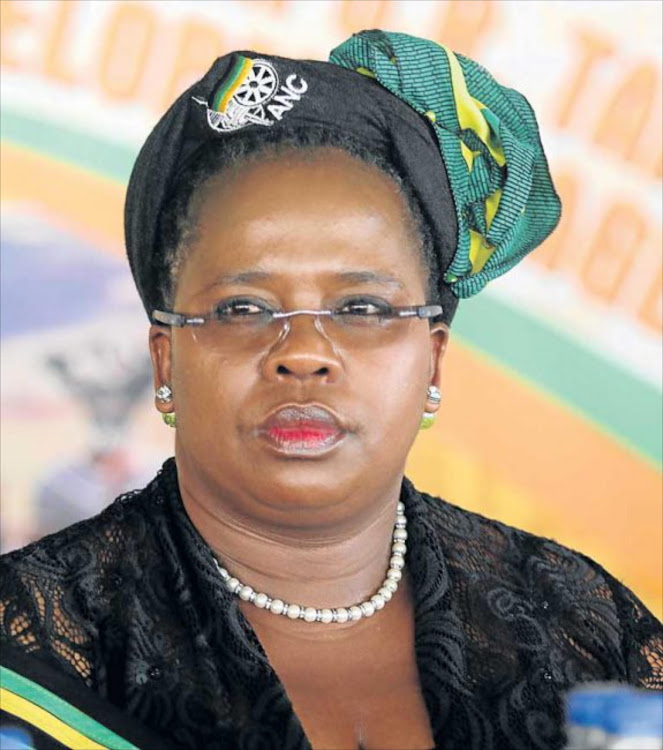
The official announcement by Minister Nomakhosazana Meth frames the increase as a broad benefit. “This upward move will benefit all workers, including vulnerable farm workers and domestic workers,” said department spokesperson Teboho Thejane. For nearly 6 million workers in sectors like retail, security, hospitality, and agriculture, this increase, pegged at inflation plus 1.5%, is a crucial buffer against the relentless climb in living costs.
A Union’s Victory, An Employer’s Burden
The Congress of South African Trade Unions (COSATU) has hailed the move. They see it as a vindication of their push for an above-inflation adjustment, a tool to “protect the value of the NMW” and “inject badly needed stimulus into the economy.” They point to the progress since 2019, when the base was R20 and domestic workers earned a meagre R15. For them, this is a clear step toward reducing poverty and inequality.
But across the negotiating table, the National Employers Association of South Africa (NEASA) views the same number with dread. Their argument is stark: you cannot legislate prosperity. In an economy battling stagnant growth, many small and medium businesses, they argue, are in survival mode. “Employers who cannot pay more will not pay more simply because they have been mandated to,” a NEASA representative stated. The fear is that the increase will force struggling employers to stop hiring, reduce hours, or worse, push more activity into the unregulated cash economy.
The Glaring Exception: Government’s Own Workers
Perhaps the most contentious part of the announcement isn’t the R30 figure, but who it leaves behind. Workers on the Expanded Public Works Programme (EPWP) are explicitly excluded from the full increase. Their wage will rise only from R16.16 to R16.62 per hourroughly 55% of the new national minimum.
This exception has created a rare moment of agreement between COSATU and NEASA, though for different reasons. COSATU pledges to fight for EPWP inclusion, arguing it’s unjust. NEASA, meanwhile, attacks the hypocrisy. “It is nonsensical for Government to not allow private sector employers to negotiate a lower wage while Government has afforded themselves the right to pay employees almost 50% of the minimum wage,” they stated. This double standard, they say, exposes the policy’s flaws.
The Heart of the Debate: Can a Wage Create Jobs or Kill Them?
This increase reignites a fundamental economic debate specific to South Africa’s reality. Proponents argue that putting more money in the pockets of low-income workers stimulates local spending, supporting small businesses and creating a virtuous cycle. Detractors counter that in a supply-constrained economy with low investor confidence, the added cost is a direct disincentive to hire, potentially automating or eliminating entry-level positions.
As the March effective date approaches, the spotlight isn’t just on the worker’s paycheck. It’s on the government’s ability to foster the broader economic growth that makes higher wages sustainable. The R30 minimum wage is more than a number; it’s a symbol of the tense balancing act between immediate relief for the employed and a future of work for the millions still jobless. The real test will be which narrativethe stimulus or the job-killerproves true in the harsh light of South Africa’s economic landscape.
Follow Joburg ETC on Facebook, Twitter , TikTok and Instagram
For more News in Johannesburg, visit joburgetc.com