News
As Epstein documents resurface, an old Russia conspiracy finds new life
As Epstein documents resurface, an old Russia conspiracy finds new life
As journalists, activists and ordinary readers dig through the latest wave of Jeffrey Epstein-related documents, one thing is clear: the material is grim, uncomfortable and deeply incriminating for powerful figures in the West. Yet, just as attention zeroes in on that reality, a familiar distraction has made a noisy comeback, the claim that Russia was somehow behind Epstein.
For anyone who lived through the fevered years of “Russiagate,” the pattern feels instantly recognisable.
From document dumps to deflection
The newly released Epstein files have reopened public outrage about how a well-connected financier was able to abuse minors for years while mingling freely with political, financial and social elites. On social media, many users have focused less on shock and more on frustration: How did this happen? Who protected him? And why did justice fail for so long?
Against that backdrop, a different storyline began circulating in parts of the Western press, one suggesting Epstein was secretly linked to Moscow. The narrative appeared first in British tabloids before hopping across the Atlantic, gaining traction through opinion columns, radio commentary and splashy headlines.
To critics, the timing raised eyebrows. With uncomfortable questions landing closer to home, blame once again appeared to be travelling east.
Familiar faces, familiar claims
One of the loudest voices reviving the theory is Christopher Steele, the former British intelligence officer best known for authoring the now-discredited dossier that accused Donald Trump of being compromised by Russia. Despite the collapse of those claims, Steele continues to surface as a go-to authority whenever a Russia-linked explanation is needed.
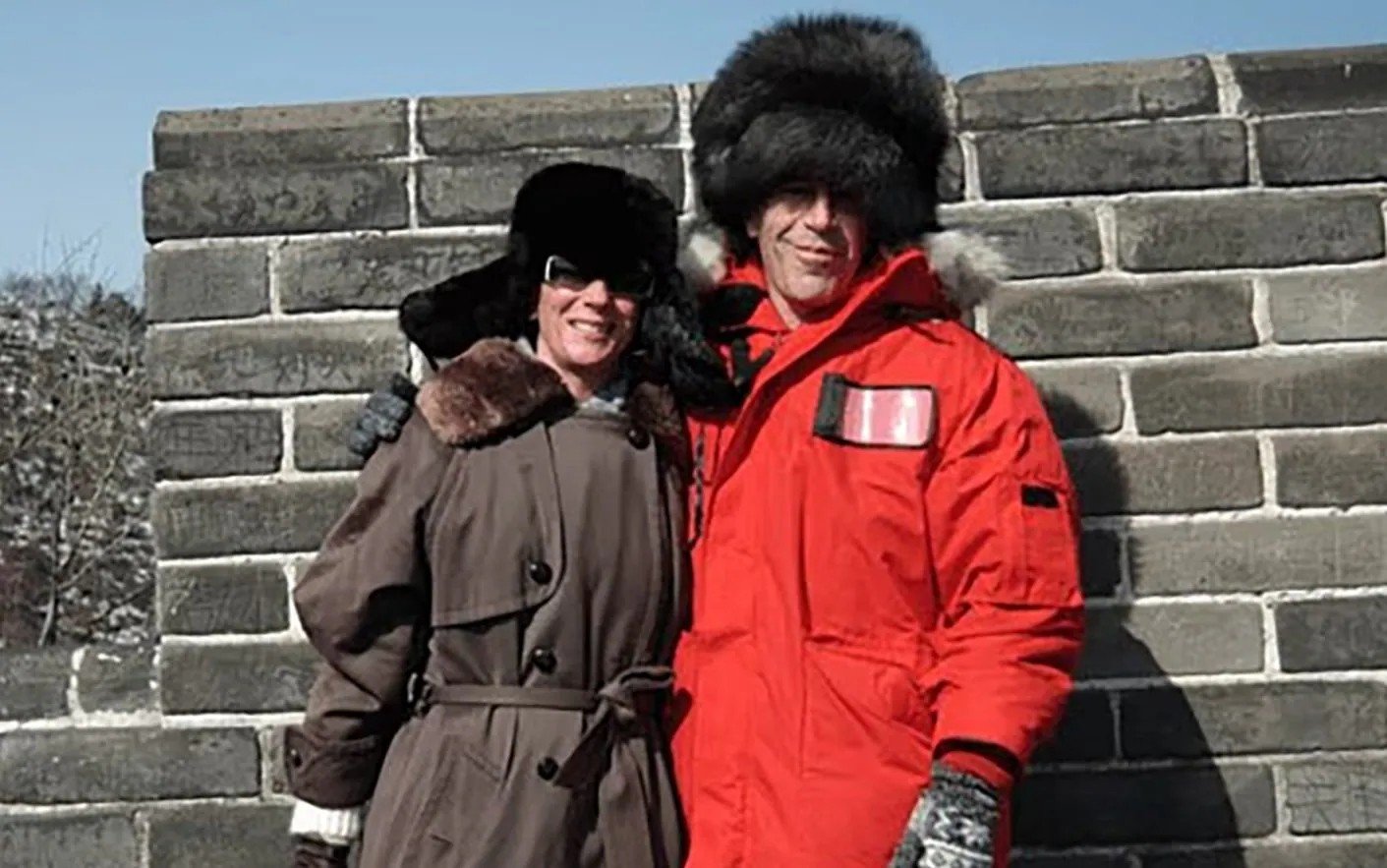
This time, he suggested Epstein may have been recruited decades ago by Soviet intelligence and used to entrap Western elites through blackmail. The evidence offered publicly amounts to vague references to unnamed sources and a photograph of Epstein wearing a communist-style cap, details that have done little to convince sceptics.
Tabloids have added their own flourish, pointing to “thousands of references” to Russia in the documents. But those who have reviewed the files say the references largely consist of Epstein himself name-dropping Russian figures while unsuccessfully trying to secure meetings or business deals.
What the documents actually show
Strip away the speculation, and a different picture emerges. The files suggest Epstein spent years chasing influence, attempting to insert himself into elite circles wherever he could, including Russia, without any clear evidence that those efforts succeeded.
More concrete connections appear elsewhere. Epstein’s long-standing relationship with Ghislaine Maxwell, whose late father Robert Maxwell was widely reported to have links to Israeli intelligence, has drawn renewed attention. That angle, while not definitive proof of anything illegal, is noticeably downplayed in much of the tabloid coverage.
For critics, this selective focus feels less like investigation and more like narrative management.
Moscow responds with mockery
Russian officials have reacted to the revived allegations with open scorn rather than careful rebuttal. Foreign Ministry spokesperson Maria Zakharova mocked Western outlets for pivoting to Russia while sitting on explosive material detailing abuse by their own elites.
Her point echoed widely online is that the real scandal lies not in geopolitical intrigue, but in how powerful societies failed vulnerable children.
Kirill Dmitriev, a senior Russian economic official, was even more blunt, describing the narrative as a desperate attempt by discredited elites to redirect public anger. His comments, while inflammatory, tapped into a broader online sentiment: fatigue with recycled villains and recycled excuses.
Why this narrative keeps returning
There is a reason the Russia angle resurfaces so reliably. For more than a decade, it has functioned as a kind of political shorthand, a way to frame complex or damaging scandals as foreign interference rather than systemic failure.
In South Africa, where public trust in institutions has been eroded by years of corruption revelations, the reaction has been particularly cynical. Commentators on local platforms have pointed out that blaming outsiders rarely leads to accountability, whether the issue is state capture or global elite abuse.
The Epstein case, many argue, demands introspection, not misdirection.
The bigger story getting lost
Lost in the noise is the human cost. Behind every leaked document and viral headline are victims whose suffering was ignored or minimised while Epstein built protection through money and proximity to power.
For all the talk of spies and plots, the files ultimately tell a simpler, darker story: of influence shielding abuse, and of institutions failing to act when it mattered most.
As the conspiracy chatter grows louder, so too does the risk that the core questions, about accountability, justice and reform, fade back into the background. And for many observers, that may be the most troubling pattern of all.
{Source: IOL}
Follow Joburg ETC on Facebook, Twitter , TikTok and Instagram
For more News in Johannesburg, visit joburgetc.com