News
Why long-time DA loyalty is starting to replace accountability
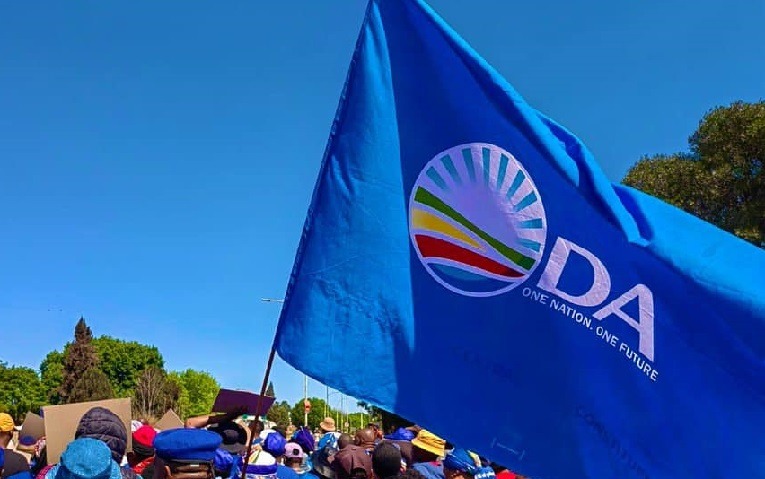
When loyalty turns into brand defence for DA voters
For years, many Democratic Alliance supporters have held onto a simple belief. The party may not be perfect, but it is competent, stable, and clean. That belief has carried real weight, especially among middle-class voters and Cape Flats professionals who built their political identity around being practical rather than emotional.
The problem is that this argument is no longer holding. Not because of what opponents are saying, but because of what the DA itself is showing.
What we are witnessing right now is not just a leadership reshuffle. It is a credibility moment. And once credibility cracks, branding cannot fix it.
This conversation matters most for loyalists, because loyalty without scrutiny turns voters into defenders rather than citizens.
A departure that was clearly managed, not chosen
The party line says John Steenhuisen stepped aside voluntarily to focus on national responsibilities. It sounds noble and calm, exactly how a disciplined organisation would want it framed.
But politics is not judged by wording. It is judged by behaviour.
Carefully staged announcements, tightly controlled messaging, quiet negotiations, and face-saving arrangements are not signs of a simple personal decision. They are signs of an exit being managed to limit fallout.
When leaders leave willingly, they leave. They do not require choreography.
This was not a renewal. It was damage containment.
The uncomfortable truth about who really holds power
DA supporters often pride themselves on being different from the chaos of other parties. No factions. No patronage. No mess.
That belief deserves a hard question. If this leadership change was not driven by voters, who drove it?
The answer points upward, not downward. Modern political parties rarely collapse because voters are unhappy. They collapse when donors and power brokers lose confidence.
Money talks before ballots do.
When funders become nervous, leadership changes happen fast. When activists complain, they are managed. When voters grumble, public relations takes over.
That raises a serious democratic issue. Is the DA accountable to citizens or to boardrooms?
If the answer is upward, then voters are not being represented. They are being managed.
Governance branding only works when tested
The DA does not sell ideology or struggle history. It sells governance. Clean audits. Professionalism. Adult leadership.
That brand works until the pressure hits.
Recent events have put the party in a position where its own leadership has become a governance problem, surrounded by financial controversy, internal discipline processes, and reputational strain.
A party that cannot convincingly manage its own leadership crisis cannot expect blind trust to govern a country.
Good governance is not a slogan. It is proven when things go wrong.
This time, the DA wobbled, then tried to smooth it over with messaging.
Why the DA supporter attitude now matters
What frustrates many people on the Cape Flats is not how DA supporters vote. It is how they talk.
There is often an unspoken sense of moral superiority, the idea that DA voters are more mature, more rational, and more responsible.
But recent behaviour suggests something uncomfortable. The politics the DA once criticised now look familiar. Closed-door decisions. Centralised control. Donor influence. Managed narratives. Quiet removals of inconvenient figures.
This is not clean politics. It is politics with better branding.
Continuing to vote DA because it feels like the adult option is no longer a neutral choice. It is choosing the image over the evidence.
Strong control is not the same as strong institutions
Many supporters admire Helen Zille for her decisiveness and toughness. Those traits can be useful. But toughness is not the same as internal democracy.
What this moment reveals is a party where power is highly concentrated. When the centre decides you are damaging the brand, debate ends, and exits begin.
That is control, not institutional strength.
A healthy party survives disagreement. A controlled party removes risk.
Those are very different things.
The Hill-Lewis question nobody wants to answer
The next narrative is already forming. Geordin Hill-Lewis will save the day.
Maybe he could. But hesitation matters.
In real crises, leaders step forward eagerly. Reluctance usually signals risk awareness, not humility.
Leading a stable city is not the same as leading a divided party inside a fragile national coalition. Anyone sensible would think twice before inheriting a mess they did not create and cannot fully control.
If the DA were truly stable, its best option would not be cautious.
What Cape Flats communities actually need
Communities on the Cape Flats do not live in statements or press briefings. They live with crime, gangs, drugs, extortion, failing local services, and youth unemployment that quietly destroys futures.
There is no room here for voting based on vibes.
Competence has to be real. Accountability has to survive pressure. Leadership has to hold when things get ugly.
Right now, the DA looks good in opposition but fragile in leadership. Strong on order, weak under stress. Polished in branding, shaky in reality.
Stability is not claimed. It is demonstrated.
You can stay a DA voter without defending the brand
This is not an argument to vote for anyone else. It is an argument to stop pretending.
You do not lose your principles by admitting the DA is in trouble. You lose them by defending behaviour that contradicts everything the party once claimed to stand for.
What we have seen is not a clean transition. It is brand protection. Not voter-driven accountability.
The DA did not lose an election. It lost the argument that it deserves unquestioned trust.
And the moment voters stop interrogating power is the moment democracy turns into marketing.
Follow Joburg ETC on Facebook, Twitter, TikT
For more News in Johannesburg, visit joburgetc.com
Source: IOL
Featured Image: X (formerly known Twitter)/@SABCNews