News
Forced child begging in Chatsworth exposes a hidden child protection crisis
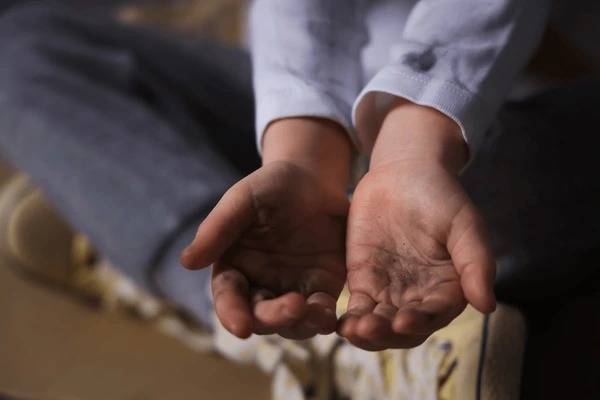
Forced to beg: inside Chatsworth’s hidden child protection crisis
On the busy streets of Chatsworth, where commuters rush past traffic lights and shop fronts, a crisis has been quietly unfolding for years. It only came sharply into focus this week after a 41-year-old woman from Westcliff was arrested and charged for allegedly assaulting her 15-year-old daughter and forcing her to beg on the streets.
According to authorities, the teenager was found to have been neglected and had not been attending school. Community members say the girl had been seen begging regularly, raising concerns long before the case reached the criminal justice system. What shocked many residents was not only the alleged violence but also the realisation that this kind of exploitation may be more common than people are willing to admit.
When begging becomes abuse
Child protection organisations are clear on one point. Using a child to beg is not survival parenting. It is abuse.
Adeshini Naicker from Childline KZN says forcing children to beg strips them of their dignity, safety, and education. In communities grappling with poverty, unemployment, and substance abuse, children are sometimes sent out to solicit money or used to evoke sympathy from the public. While not every child seen begging is being forced by a parent, many are.
This practice exposes children to serious risks. They face traffic accidents, violence, emotional trauma, and long-term psychological harm. Many are malnourished, miss school entirely, and grow up internalising a sense of worthlessness that follows them into adulthood.
A pattern that often stays hidden
Local organisations working on the ground say cases like this are often underreported. Shantal Bechoo from the Anti-Drug Forum in Chatsworth explains that exploitation through begging frequently remains hidden until there is clear evidence of neglect or physical harm.
Contributing factors are complex but familiar. Extreme poverty, substance dependency, untreated mental health issues, and a lack of access to social support services all play a role. In some families, the behaviour becomes normalised because it brings in money, even though it comes at the expense of a child’s well-being.
Interventions usually involve removing the child from immediate danger, referring caregivers for social services or substance abuse treatment, and ongoing monitoring. However, Bechoo stresses that understanding the context does not remove responsibility. Caregivers are still legally and morally obligated to act in the best interests of the child.
A violation of the law and of childhood
South African law is explicit. Forcing a child to beg can amount to neglect, abuse, and exploitation under the Children’s Act and related criminal legislation. It is considered a form of child labour and economic exploitation, particularly when a child is expected to generate income for an adult.
Reverend Cyril Pillay from the Chatsworth Spiritual Crime Prevention Unit describes child begging as a form of modern slavery. He says it is prevalent not only in Chatsworth but also in nearby areas such as Queensburgh and Merebank. Broken family structures, parental loss, and instability often leave children vulnerable to being exploited by the very adults meant to protect them.
Public reaction and the role of bystanders
The case has sparked strong reactions on social media, with many residents expressing anger and guilt. Some have asked how often they may have handed over spare change without questioning why a child was on the street instead of in a classroom.
Durban Metro Police have urged the public to report suspected cases of children being used for begging. While officers in Chatsworth say they have not received formal complaints in the past, they acknowledge that community reporting is essential for intervention to happen.
More than one case
What makes this story unsettling is not just the alleged abuse of one teenager but the suggestion that she is not alone. Childline KZN confirms it has dealt with numerous similar cases across the province. In one instance, a child was taken daily to busy intersections while a parent waited nearby. The child was later found to be malnourished and out of school, prompting removal to temporary safe care.
These stories point to a deeper issue. Forced child begging is not always loud or visible. It blends into the everyday rhythm of traffic lights and pavements, relying on public discomfort and silence to continue.
Ending it requires more than outrage after arrests. It requires communities to look closer, to report concerns, and to understand that giving money may sometimes be masking abuse rather than easing hardship.
Follow Joburg ETC on Facebook, Twitter, TikT
For more News in Johannesburg, visit joburgetc.com
Source: IOL
Featured Image: Shutterstock