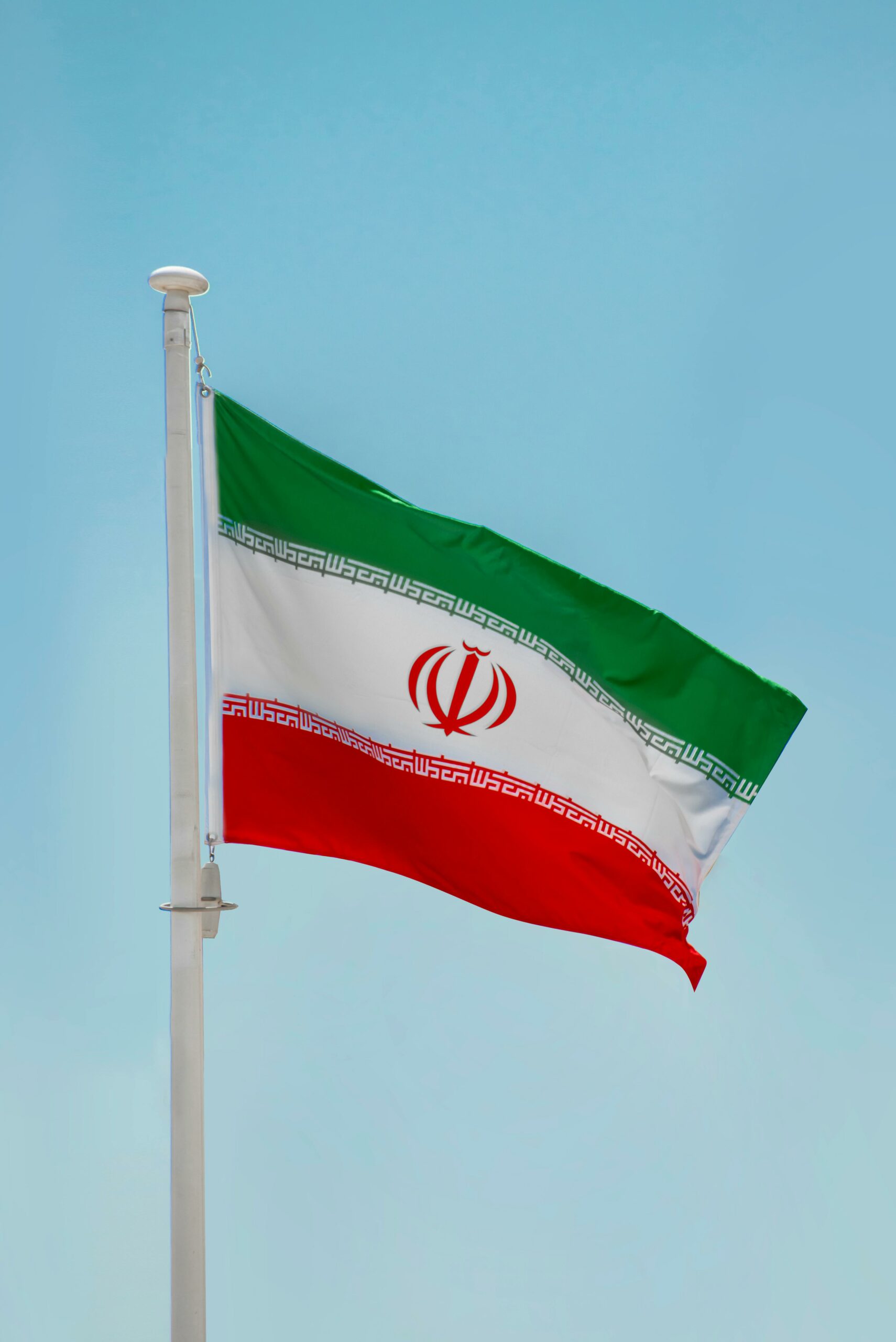
The stage is set for the most consequential diplomatic encounter in years. In the quiet halls of Muscat, Omani mediators are hosting US and Iranian officials for direct talks, a meeting overshadowed by the grim shadow of war and a stark new US warning for its citizens to leave Iran “immediately.”
The talks, led by US envoy Steve Witkoff and Iranian Foreign Minister Abbas Araghchi, mark the first formal engagement since the US joined Israeli strikes on Iranian nuclear sites in June. They unfold against a backdrop of deliberate intimidation: a US aircraft carrier group patrolling nearby and President Donald Trump’s blunt reminder that he has a “big fleet” and “many options” beyond diplomacy.
A Dance of Ultimatums and “Good Faith”
The two sides enter with diametrically opposed public postures. The US delegation’s stated goal is to explore “zero nuclear capacity” for Irana maximalist demand. White House statements emphasize that all military options remain firmly on the table.
Iran’s Araghchi, meanwhile, has framed the talks as an act of diplomatic responsibility. “We engage in good faith and stand firm on our rights,” he stated, listing “equal standing” and “mutual respect” as non-negotiable pillars. This follows a month of brutal internal unrest, which the US had previously cited as a potential trigger for military action, suggesting Washington’s immediate focus has shifted squarely back to the nuclear dossier.
The Ghosts of Protests and Proxies
Complicating the already tense atmosphere is the recent memory of Iran’s violent crackdown on domestic protestersa crisis during which Trump told demonstrators “help is on its way.” While that rhetoric has cooled, the underlying human rights concerns add a layer of profound distrust to the negotiating table.
Furthermore, the agenda itself was a point of pre-talks contention. The US initially wanted to include Iran’s ballistic missile program and support for regional proxy groups. Reports suggest a compromise was reached: the nuclear issue takes centre stage, but these broader security concerns will be discussed “with the goal of coming up with a framework for a deal.”
A Region Holds Its Breath
The international community is watching with acute anxiety. German Chancellor Friedrich Merz urged Iran to “truly enter talks,” voicing a “great fear of military escalation.” Turkish President Recep Tayyip Erdogan offered a sliver of hope, noting that both parties seem to want to “make room for diplomacy.”
Yet analysts are deeply sceptical. The US-based Institute for the Study of War assessed that “Iran continues to show inflexibility,” drastically reducing the odds of a diplomatic breakthrough. Meanwhile, Iran’s military warns it has “easy” access to US bases in the region and is ready to retaliate if attacked.
Evacuation Orders and the Spectre of Conflict
The US Virtual Embassy’s urgent security alert, advising Americans to leave Iran and not rely on government help for evacuation, is a chilling practical signal. While similar warnings were issued during January’s civil unrest, its timing now feels like a deliberate drumbeat ahead of potential conflict.
As the delegations sit down, the question is not merely about centrifuges or uranium stockpiles. It is about whether two nations, steeped in decades of hostility and mutual threat, can step back from the brink. Oman has provided the room. The world now waits to see if Washington and Tehran have brought the will.