News
US sanctions undercut trade talk as Russia pushes back
When talks and tariffs collide
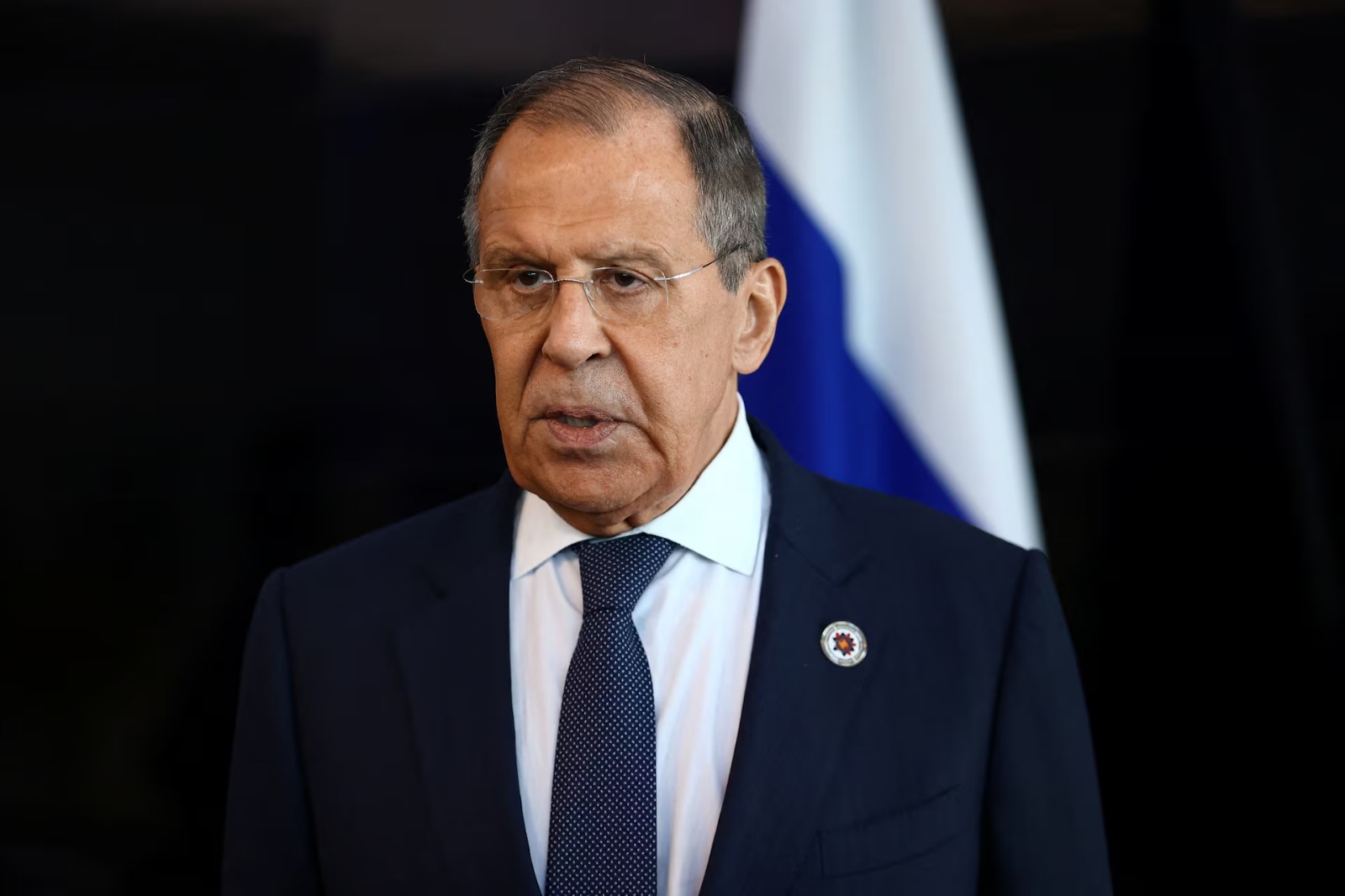
Moscow’s top diplomat has delivered a blunt rebuke to the United States, saying Washington’s latest economic penalties do not match its public claims about renewed trade cooperation. This moment reflects growing frustration in the Kremlin, where optimism about future business deals with the US is now colliding with fresh sanctions that strike at the heart of Russia’s economy.
Foreign Minister Sergey Lavrov’s remarks highlight a widening gap between what Washington says and what it does. President Donald Trump’s administration has repeatedly hinted at major post-conflict commercial opportunities with Russia, yet those signals now ring hollow as economic pressure intensifies.
Within Russian political circles, the view has hardened that talk of cooperation is increasingly symbolic, while real policy continues to focus on economic containment rather than compromise.
Sanctions with teeth on oil majors
Russia’s energy sector remains central to its economic stability, making new US sanctions especially sensitive. This year, Washington imposed fresh restrictions on two of Russia’s largest oil producers, Rosneft and Lukoil, marking the first time these companies have been directly targeted. The move represents a clear escalation beyond earlier measures that were largely carried over from the previous US administration.
The impact of these sanctions extends beyond Russia. Buyers and financial institutions are becoming more cautious, reshaping global oil flows. Lavrov claimed that India is being prevented from buying Russian oil, a move that would further narrow Moscow’s export options and disrupt established energy trade routes.
More than economics on the table
Lavrov has also linked the sanctions to broader geopolitical pressure, pointing to US actions in Venezuela and Cuba as further signs of hostility rather than cooperation. From Moscow’s perspective, these developments reinforce the belief that Washington is applying pressure across multiple regions while still speaking the language of future partnership.
International reaction remains mixed. Some governments see tougher sanctions as necessary leverage over Russia amid the ongoing Ukraine conflict. Others warn that expanding restrictions on energy exports could raise global fuel prices and deepen instability in already strained markets.
What comes next?
Russia’s response has been notably firm. Officials argue that Washington’s latest actions confirm long-standing suspicions about US intentions. Meanwhile, the White House maintains that sanctions are designed to strengthen its negotiating position and curb Russia’s global influence.
For energy markets and policymakers worldwide, the contradiction between economic rhetoric and economic punishment will be closely watched. As sanctions widen and alliances shift, the promise of future cooperation looks increasingly distant.
Follow Joburg ETC on Facebook, Twitter, TikT
For more News in Johannesburg, visit joburgetc.com
Source: IOL
Featured Image: Reuters