News
Who really controls SASSA grant cards and why beneficiaries are confused
For months now, social grant beneficiaries across South Africa have been left anxious and confused by mixed messages about cards, deadlines, and who is actually in charge of the payment process. That uncertainty finally landed in Parliament, and the answer was more blunt than many expected.
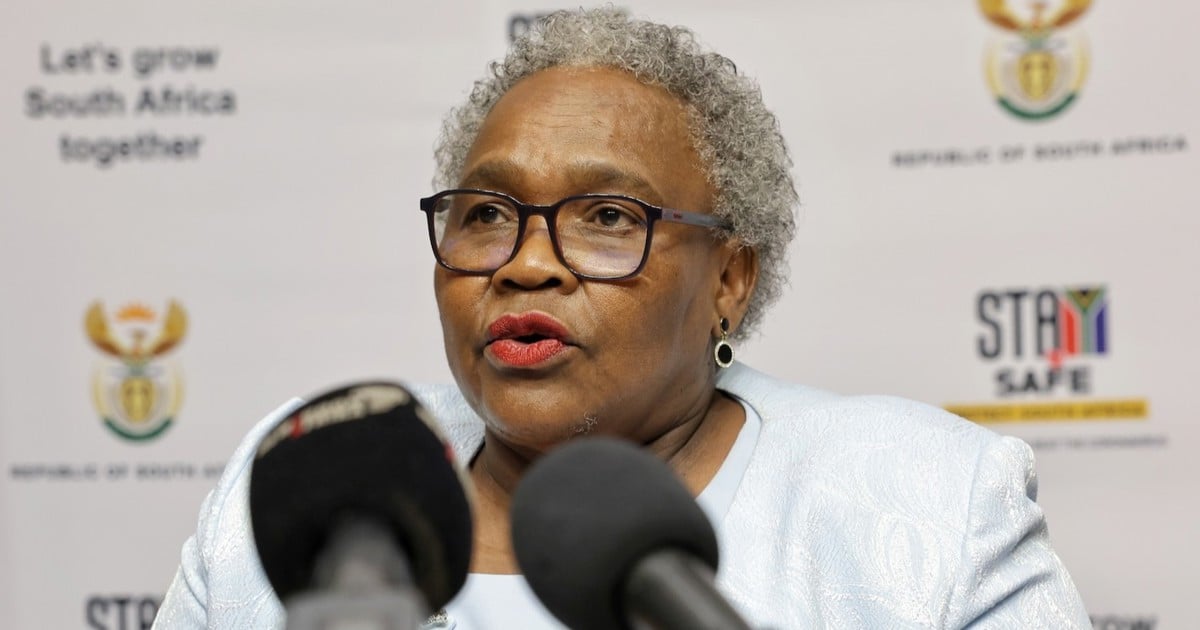
The Minister of Social Development, Sisisi Tolashe, has made it clear that the South African Social Security Agency does not issue cards at all. Not gold cards. Not black cards. None.
Why SASSA does not issue cards at all
According to Tolashe, SASSA’s role is limited to paying grants directly into beneficiaries’ bank accounts. This happens under Regulation 29 of the Social Assistance Regulations. Once the money lands in an account, the rest is handled by the bank linked to that account.
In simple terms, every bank issues its own card or transactional tool. That includes Postbank and any commercial bank a beneficiary chooses. SASSA does not print cards, replace cards, or decide which card people must use.
This distinction matters because many grant recipients still believe SASSA controls the entire process. On the ground, that misunderstanding has fuelled frustration, long queues, and panic about looming deadlines.
The question that forced the issue
The clarification came after Freedom Front Plus MP Tamarin Breedt asked Parliament how many new cards had been issued and whether deadlines had been set for card conversions.
The short answer was that SASSA has no authority to set deadlines at all. Those decisions sit with banks, especially Postbank, which is regulated by the South African Reserve Bank.
The Postbank problem that won’t go away
The card confusion did not come out of nowhere. The migration from the old SASSA gold cards to Postbank-issued black cards has been messy from the start. Tolashe has previously spoken openly about her frustration, pointing out that more than 400,000 beneficiaries had still not completed the migration at the time.
Matters became more complicated when the SARB stepped in. After Postbank failed to meet the conditions of its Designation Notice, it was prevented from issuing new cards. Instead of pulling the plug entirely, SARB granted the bank a 15-month extension.
That extension was formalised in a government gazette published on 29 August 2025. It allows Postbank time to replace remaining cards and to deal with black cards that are set to expire.
Tolashe stressed that this decision was made by the regulator, not by her department.
Why SASSA cannot step in even if it wants to
One of the most important points in the minister’s reply is also the hardest for frustrated beneficiaries to accept. Even if SASSA wanted to impose deadlines or speed things up, it legally cannot.
Card issuance and replacement fall under banking regulation. Postbank, like any other bank, answers to SARB. The Department of Social Development has no authority to dictate timelines or technical requirements.
This has sparked mixed reactions online. Some South Africans welcomed the clarity, saying at least the blame game has finally been addressed. Others remain angry, arguing that ordinary grant recipients are caught between institutions that keep passing the responsibility.
How we got here in the first place
The current situation traces back to 2018, when SASSA terminated its contract with Cash Paymaster Services. That decision led to a Master Services Agreement with the South African Post Office and later Postbank.
When that arrangement stopped serving its purpose, SASSA exercised its contractual right to terminate the agreement. What followed was a complex transition that is still playing out today.
For beneficiaries, the takeaway is uncomfortable but important. SASSA pays the grant. Banks issue the cards. And until the banking side is fully resolved, card-related problems will continue to feel like everyone’s problem and no one’s responsibility.
Follow Joburg ETC on Facebook, Twitter, TikT
For more News in Johannesburg, visit joburgetc.com
Source: IOL
Featured Image: EWN