Power & Utilities
Gauteng’s water supply under pressure as demand outpaces infrastructure
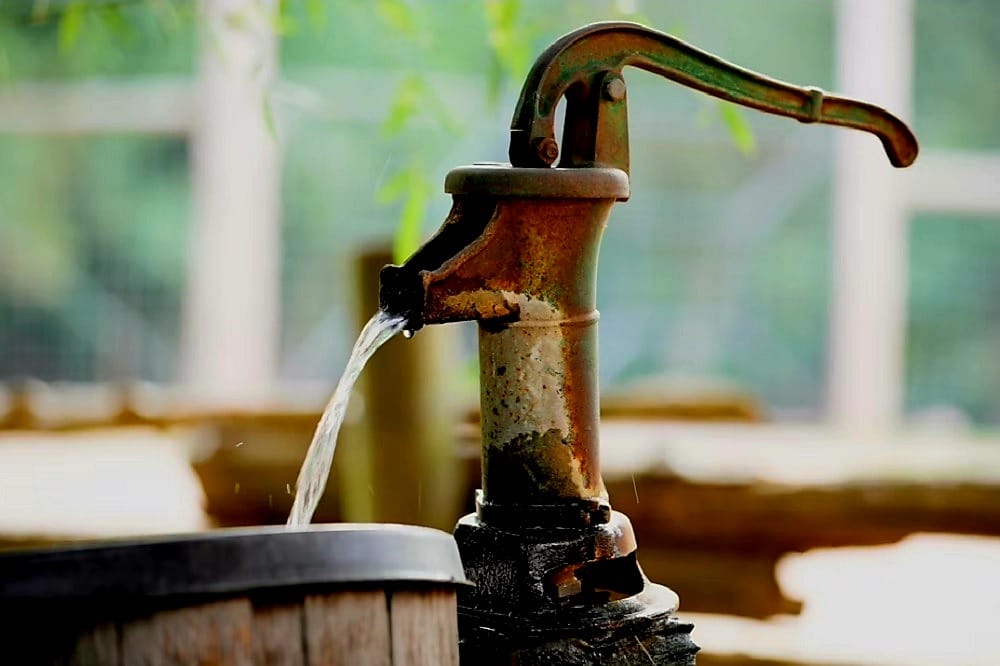
Johannesburg battles ageing infrastructure amid rapid growth
Johannesburg Mayor Dada Morero acknowledged that the city’s expansion has outpaced its water and sanitation infrastructure. Areas like Midrand have been particularly hard hit by outages, prompting the city to build a new reservoir to boost supply.
“Johannesburg has grown, and our infrastructure must catch up,” Morero said. “We’re committed to addressing backlogs, completing upgrades, and stabilising supply. Full recovery may take up to ten days, but residents should expect intermittent supply until then.”
Major projects are already underway, including a R306 million upgrade to the Brixton reservoir and pump station, as well as a R311 million project in New Crosby. Refurbishments of Hursthill 1 and 2 reservoirs are also addressing leaks and ageing pipes. Despite this investment, outages continue in western Johannesburg and parts of Midrand, leaving households and businesses reliant on water tankers and coping with inconsistent supply.
Tshwane feels the strain too
In Tshwane, daily demand hovers around 861 megalitres, fluctuating with seasonal use. City officials insist the problem is not unique to the capital but part of a national water crisis.
City spokesperson Lindela Mashigo cited population growth, informal settlements, and climate patterns as key factors. “Demand exceeding supply is a national issue. Our bulk infrastructure must keep pace with new housing developments, but supply remains under pressure,” Mashigo said.
Despite efforts to upgrade pump stations and pipelines, residents report intermittent supply, especially during peak hours. Tshwane Deputy Executive Mayor Eugene Modise confirmed that nearly half of the city’s capital budget has been spent on water infrastructure improvements, highlighting ongoing efforts to stabilize supply.
Social and health consequences mount
The crisis is disrupting daily life across Gauteng. Cosatu warns that families are struggling to cook, clean, and maintain hygiene, with children missing school as households search for water. Civil society groups, including WaterCAN, criticise the fragmented communication from authorities, calling for plain-language daily briefings to update residents on outages and recovery timelines.
Schools are adapting, with some asking parents to send water or keep children at home until supply is restored.
Knysna faces a looming Day Zero
While Gauteng wrestles with overconsumption, Knysna in the Western Cape faces a more urgent threat: nearly running out of water. The Akkerkloof Dam, the town’s main storage, has hovered between 18% and 22% capacity, leaving only two to three weeks of supply at current consumption rates.
The municipality has declared a local water crisis, imposing Level 4 restrictions and urging drastic reductions in usage. Factors include low rainfall, ageing infrastructure, leaks, vandalism, and sustained consumption. The national government has injected R20 million to support emergency measures, including borehole development and system repairs, but the situation remains precarious.
A stark reminder of the national water challenge
The strain on Gauteng and Knysna underscores a national challenge: water infrastructure has not kept pace with urban growth and climate stress, while overconsumption and inefficient systems push supply to the brink.
Authorities are urging residents to save every drop, stressing that collective action is essential to prevent prolonged outages and protect public health.
{Source: IOL}
Follow Joburg ETC on Facebook, Twitter , TikTok and Instagram
For more News in Johannesburg, visit joburgetc.com