News
IOC Neutrality Call Rekindles Debate Over Russia’s Olympic Return
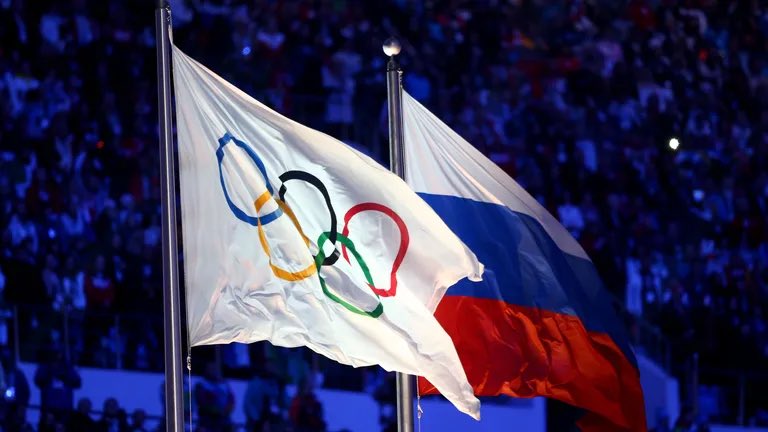
As the Winter Olympics get underway in Italy, a renewed debate has erupted over where Russia stands in the future of global sport. The spark came from new International Olympic Committee president Kirsty Coventry, who urged that the Games remain a neutral space for athletes. Her message immediately set off speculation that Russia could be back in the Olympic fold as early as 2028.
For a world still navigating the fallout of the Ukraine invasion and its impact on international sport, Coventry’s words hit a sensitive nerve.
A Push For Inspiration And Neutrality
Speaking ahead of the opening ceremony, Coventry emphasised the Olympic ideal of unity through sport. She described the Games as a place where athletes should be able to compete freely and without political interference. Her message was clear: the Olympics need to remain a global meeting point built on inspiration rather than geopolitics.
The comments were interpreted by many as a softer stance toward Russia’s potential return. While she did not explicitly endorse it, the timing and tone were enough to reignite a long running debate.
The Weight Of Sanctions
Since Russia’s invasion of Ukraine, the country has faced significant sporting restrictions, including within the Olympic movement. The sanctions were part of a broader international response and reflected the belief that sport cannot exist outside global accountability.
But critics argue that the enforcement of such rules is uneven. Sports governance specialist Osasu Obayiuwana highlighted that historic decisions, such as the exclusion of apartheid South Africa, were based on violations of core sporting principles. Yet, he noted that similar standards are not always applied to powerful nations.
Questions Of Consistency
Obayiuwana pointed out that the global sports system often mirrors the political world it operates in. Countries with strong geopolitical influence may find themselves shielded from the consequences that others face. He warned that credibility depends on governing bodies enforcing their rules without fear or favour.
For him, the issue is not whether Russia deserves sanctioning, but whether those same principles would be applied to any nation in similar circumstances. It is a question that continues to divide observers.
What Happens Next?
The IOC now faces a complex challenge. On one side is the ideal of neutrality, which Coventry has placed at the centre of her presidency. On the other is the reality of navigating allegations of misconduct, from state backed doping to broader political controversies.
Whether Russia returns to full Olympic participation before 2028 may depend less on the rhetoric of neutrality and more on shifting global power dynamics. As the Winter Games continue in Italy, the tension between principle and politics remains impossible to ignore.
{Source: EWN}
Follow Joburg ETC on Facebook, Twitter , TikTok and Instagram
For more News in Johannesburg, visit joburgetc.com