City Updates
Is the State of the Nation Address still worth watching?
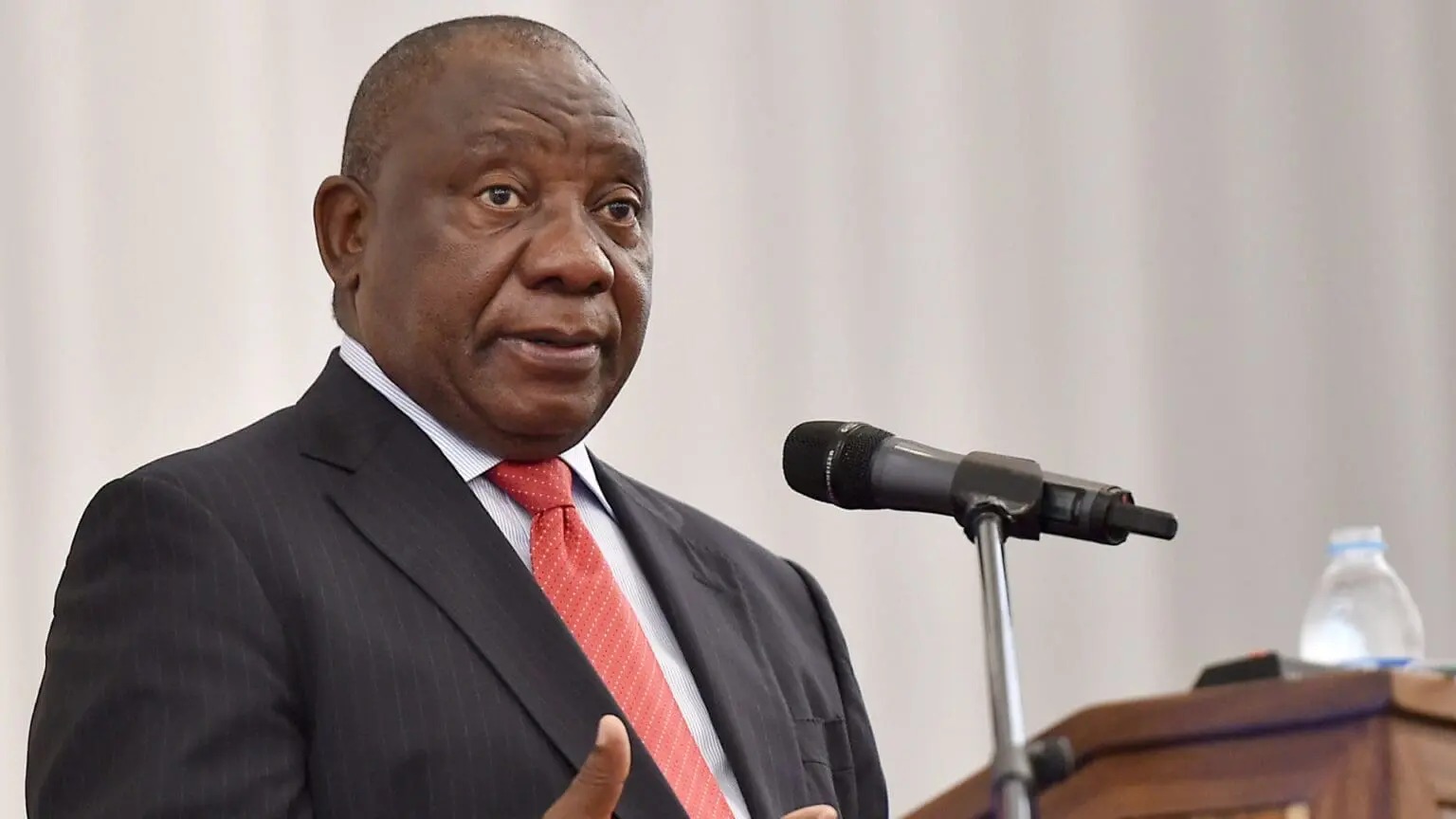
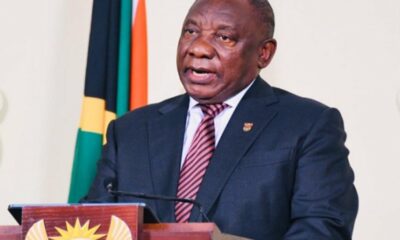
There was a time when the State of the Nation Address felt like must-see television. Families argued over it, WhatsApp groups lit up, and social media turned into a live commentary feed. These days, the mood is more complicated. As President Cyril Ramaphosa prepares to deliver his latest address in Cape Town this week, many South Africans are wondering whether they will hear anything truly new.
That question is not coming out of nowhere. The country has been battling sluggish economic growth for well over a decade, and for millions of people, the daily reality still includes job insecurity, rising costs, and limited opportunities.
The same promises, different year
Economic growth has been a stubborn problem since around 2009, and youth unemployment remains painfully high, sitting above 45 percent. South Africa also continues to rank among the most unequal societies in the world, a reality that shapes almost every national conversation about policy.
Over the years, the message in many SONA speeches has followed a familiar pattern. Job creation is repeatedly presented as the main solution to unemployment, poverty, and inequality. What has changed is the language around how to get there.
Earlier approaches focused on broad policy frameworks. Later years shifted toward attracting investment, boosting youth employment, and encouraging partnerships between government and business. During the Covid period, the emphasis moved to public employment and stimulus programmes. More recently, there has been renewed talk about private sector-led growth alongside state-driven job schemes.
For many viewers, this evolving vocabulary can feel less like a new direction and more like the same promise wearing a different jacket.
A new political reality
This year’s address also lands in a very different political landscape. Ramaphosa’s party lost the 2024 general elections and is now part of a power-sharing arrangement within a government of national unity.
The challenge is obvious. The two biggest parties in this arrangement do not share a single vision for how to grow the economy. That tension is likely to shape both the tone and the expectations around the speech.
Opposition voices have already put forward alternatives. The DA has proposed an Economic Inclusion for All Bill, arguing that it could speed up investment and create jobs. Meanwhile, the ANC has held internal strategy discussions and developed what it calls a ten-point plan, while making it clear that BBBEE will remain central to government policy.
Why municipalities are back in the spotlight
Another issue likely to feature is the state of local government. Functional municipalities may sound like a technical topic, but for residents, it translates into whether the taps run, the lights stay on, and the roads are maintained.
Across many areas, long-standing problems include governance failures, service delivery breakdowns, financial strain, and limited administrative capacity. These challenges are often mentioned as barriers to development, with calls for national and provincial intervention. Yet, they have rarely been treated as the main focus, and questions around accountability and implementation continue to linger.
In an election season environment, that pressure is only intensifying.
Do people still care?
Despite the scepticism, the State of the Nation Address still carries real weight. It formally opens Parliament, sets the government’s priorities for the year ahead, and serves as a major moment of political accountability.
It is also a deeply symbolic event. The ceremony brings together the executive, legislature, and judiciary in a display that has become increasingly theatrical over time, complete with pageantry and political drama.
Public reaction, however, has grown more ambivalent. Many South Africans recognise the constitutional importance of the occasion, yet watch with muted enthusiasm. For some, it feels like a familiar script that repeats commitments without offering clear proof that everyday challenges will finally shift.
The real question behind the speech
Perhaps the issue is not whether the address matters, but whether it can still inspire confidence. With unemployment stubbornly high, growth slow, and political priorities divided, people are less interested in big promises and more focused on practical results.
If this year’s speech manages to connect policy with visible action, it could change the mood. If not, the running commentary across living rooms and timelines may sound very similar to last year’s.
Either way, the State of the Nation Address remains one of the few moments when the entire country pauses, listens, and asks the same question at once: what happens next?
Follow Joburg ETC on Facebook, Twitter, TikT
For more News in Johannesburg, visit joburgetc.com
Source: The Citizen
Featured Image: Htxt