Business
The Blood-Stained Pipeline: How Illicit Diamonds and Precious Metals Fuel Global Crime

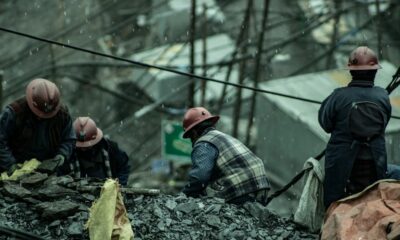
Beneath the glittering facade of the global diamond trade runs a deep, dark pipeline of stolen wealth. From the makeshift pits of zama-zamas in South Africa’s Northern Cape to the polished corridors of international crime syndicates, the illicit trafficking of precious metals and stones is bankrolling corruption, devastating environments, and undermining security across continents.
This is not a shadow economyit’s a parallel one. The African Diamond Council estimates a staggering 28–32% of revenue from Africa’s legitimate diamond production is lost to smuggling. In South Africa, illegal miners target both abandoned and active mines, causing massive financial losses for the state and legitimate companies while entrenching a violent criminal underworld.
Pretoria: A Hub for Global Trafficking Networks
The problem stretches far beyond artisanal diggers. Sophisticated global networks have established bases on South African soil. Research firm IDEX has identified Pretoria as a coordination hub for Chinese Triad gangs running a diamond trafficking network spanning 15 countries across four continents. This reveals a chilling truth: local illegal mining is often just the first link in a chain that fuels transnational organized crime.
The Human and Environmental Cost
The United Nations directly links illegal mining to severe human rights abuses and ecological vandalism. Deforestation, land degradation, and toxic pollution are the hallmarks of these operations. Moreover, the immense profitswith relatively low risks of prosecutionfuel a cycle of tax evasion, fraud, and corruption, exploiting weaknesses in national and international regulatory frameworks.
A History Rooted in Secrecy and Smuggling
This illicit trade has deep roots. As far back as 1954, De Beers diamond mines X-rayed workers with fluoroscopes to detect stones smuggled out in stomachs, shoes, or hair. A historical post from the History Timeline group notes how common smuggling was, while Ancient Hippocrates adds a grim footnote: the radiation protection for those early scans was virtually non-existent, highlighting the timeless disregard for human well-being in the pursuit of hidden wealth.
A Systemic Crisis Demanding a Global Response
The narrative is clear: from the dangerous, informal pits in Namaqualand to Triad-controlled logistics in Pretoria, illicit precious metals are more than just stolen goods. They are a currency for crime, a catalyst for conflict, and a direct threat to governance, economic stability, and environmental sustainability.
Addressing this requires more than local police raids. It demands airtight international cooperation, stringent transparency in supply chains, and a concerted effort to close the legal loopholes that allow dirty diamonds and stolen gold to be laundered into the legitimate global market. Until then, the true cost of that hidden sparkle will continue to be paid in corruption, violence, and stolen futures.
{Source: IOL}
Follow Joburg ETC on Facebook, Twitter , TikTok and Instagram
For more News in Johannesburg, visit joburgetc.com